ctrl
ctrl 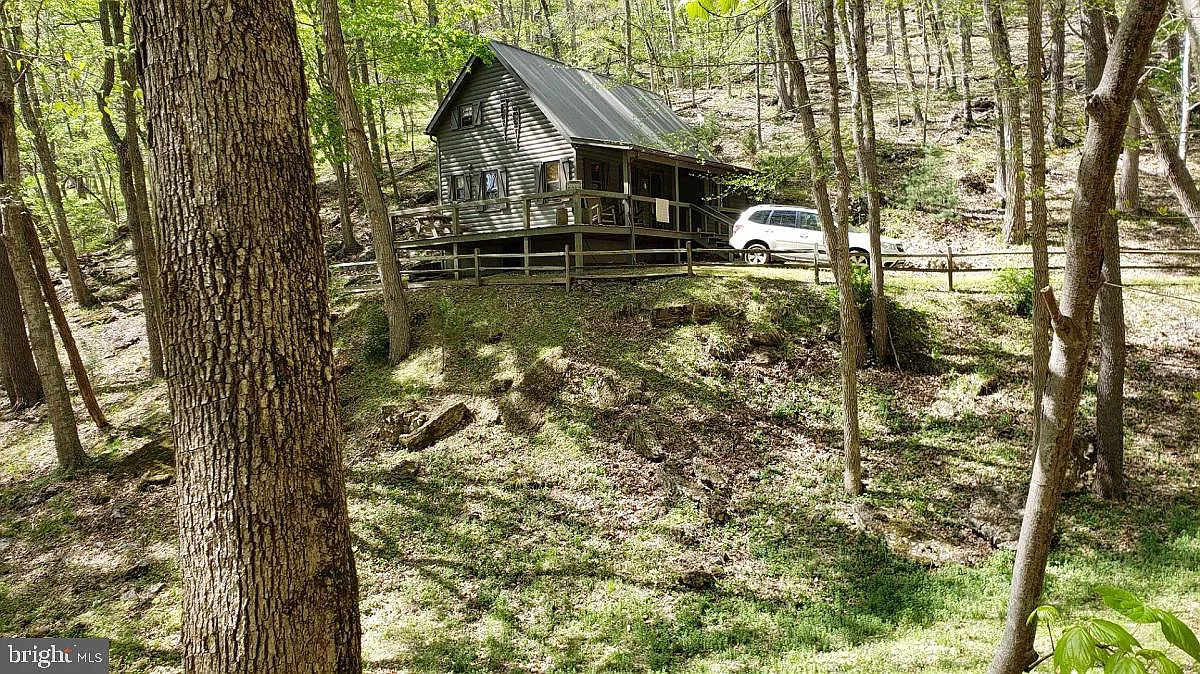
Every so often a real estate listing stops your scroll cold. This one does it with a single detail: open a door inside the cabin and you step straight into your own private cave, its walls still carrying markings that reportedly date back to the 1800s.
It sits on five quiet mountain acres near Franklin, West Virginia, and at $195,000 it has become one of the most-watched cabins in the state. Below you will find the full story, plus the practical details on financing, ownership costs, and whether you can still buy it.
The cabin that hides a cave
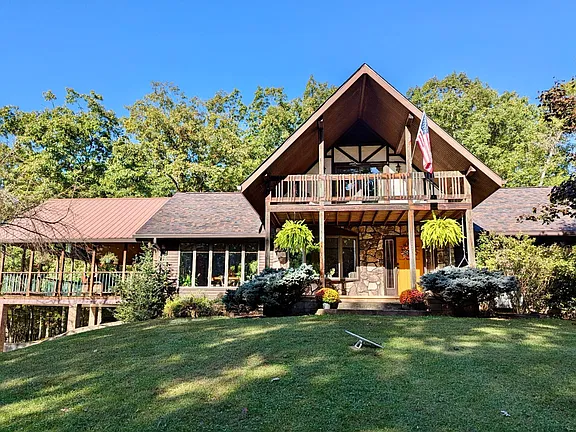
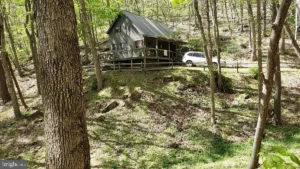
From the outside, it looks like a classic Appalachian getaway: warm log siding, a metal roof, and two stories tucked into the trees. Built in 1998 and just 807 square feet, it reads as a cozy weekend retreat rather than a headline-grabber.
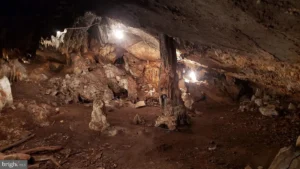
The surprise is behind one interior door. Instead of a closet or a pantry, it opens onto a natural cave that belongs to the property itself. The main chamber already has lighting installed, so owners can step in and explore without dragging in floodlights, and the historic wall markings are said to still be visible inside.
For anyone who has ever wanted a home with a genuine story, this is about as rare as residential real estate gets.
Inside: rooms, baths, and a loft
Despite its compact footprint, the layout is more flexible than the square footage suggests.
- Bedrooms: 1 bedroom plus a loft set up as a second sleeping area
- Bathrooms: 3 in total (two full baths and a half bath)
- Main level: open living area, kitchen, and a dining nook
- Primary suite: upstairs, with its own water closet, sink, small fridge, microwave, and a private balcony
- Loft: extra sleeping space served by its own full shower and bath
That mix makes it easy to picture as a personal escape, a guest-ready retreat, or a short-term rental with a one-of-a-kind hook.
Five private acres in the mountains
The cabin comes with roughly five secluded acres of wooded West Virginia mountainside, offering the privacy and quiet that draw so many buyers to the region in the first place.
Water comes from an excellent spring source on a shared spring system, with this cabin reportedly first in line at the spring box. The setting near Franklin puts you minutes from town while still surrounded by classic Appalachian scenery, hiking trails, and hunting country.
The price, and a notable drop
At $195,000, the cabin is priced well below what it once carried. Earlier listings a few years ago sat in the high-$200,000s before the home came off the market. Its return at $195,000 represents roughly a 30 percent lower asking price than that previous run, part of why it caught fire with buyers and browsers alike.
Annual property taxes are modest at around $373, which keeps the long-term carrying cost low for a recreational or part-time property.
How to finance a cabin like this
Financing a rural cabin is a little different from buying a standard suburban house, and it pays to understand your options before you fall in love with the property.
Many buyers use a conventional mortgage, but lenders look closely at unique features, road access, water source, and whether the home is a primary residence or a second home. Second-home and investment-property loans typically require a larger down payment and carry slightly higher mortgage rates than a primary residence. Comparing offers from several mortgage lenders, and locking a rate when the market dips, can save thousands over the life of the loan.
For very rural or non-conforming cabins, buyers sometimes turn to portfolio loans from local banks, land or recreational-property loans, or even cash. Getting pre-approved early is essential here, both because the listing requires a pre-approval letter before showings and because it tells you exactly what monthly payment and interest rate you qualify for.
What it really costs to own
The sticker price is only the start. A realistic ownership budget for a mountain cabin should include:
- Home insurance: log homes and remote properties can cost more to insure, and a cave on the property may prompt extra questions from insurers, so get a homeowners insurance quote before closing.
- Property taxes: low here at roughly $373 per year, but always confirm current figures with the county.
- Utilities and maintenance: spring water, septic, and propane mean self-managed systems rather than city utilities.
- Access and winter upkeep: gravel roads and limited snow removal can add seasonal costs.
Running these numbers up front protects you from surprises and helps you compare this cabin fairly against other West Virginia mountain properties.
Could it pay for itself?
A property this unusual has obvious short-term rental appeal. A cabin you can market as the one with a private cave practically writes its own headline, and adventure-driven stays tend to command premium nightly rates. Buyers weighing it as an investment should research local occupancy rates, vacation-rental rules, and insurance requirements for short-term rentals, then build a conservative income estimate before counting on rental cash flow to offset the mortgage.
What buyers should know before a showing
A property this unusual comes with a few practical conditions worth flagging up front:
- A pre-approval letter is typically required before a showing.
- Visitors are asked to sign a liability waiver before entering the cave.
- The roads in are dirt and gravel, so a higher-clearance vehicle is recommended.
- Snow removal is limited in winter, which is normal for remote mountain developments.
None of these are deal-breakers. They are simply the realities of owning something genuinely off the beaten path.
Is it still available?
As of late May 2026, the listing is marked pending, meaning an offer has already been accepted. That does not always mean the door is fully closed, since pending deals sometimes fall through over financing or inspection. Interested buyers can ask the listing agent about being added as a backup offer, and saving the listing will trigger an alert if the status flips back to active.
Frequently asked questions
Where is the cave cabin located?
Near Franklin in Pendleton County, West Virginia, in a quiet mountain setting just minutes from town.
How much is the cabin?
It is listed at $195,000 on roughly five acres.
Is the cave really inside the house?
Yes. It is accessed through a door inside the cabin and includes installed lighting, with markings on the walls reportedly dating to the 1800s.
What kind of loan do I need to buy a rural cabin?
Options range from a conventional mortgage to second-home, investment-property, or local portfolio loans. Get pre-approved early to learn your rate and budget.
Can I still buy it?
The listing is currently pending. Asking the listing agent about a backup offer is the best move in case the current contract falls through.
Have you ever seen a home with its own cave? Tell us in the comments whether you would live here, and share this with the one friend who would move in tomorrow.
Check below photos for zillow link for more detais
Listing from ZILLOW