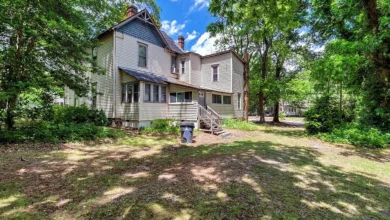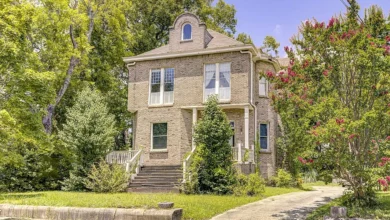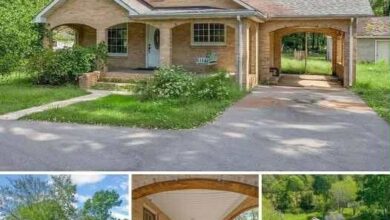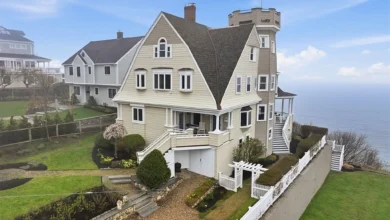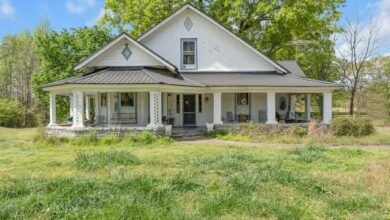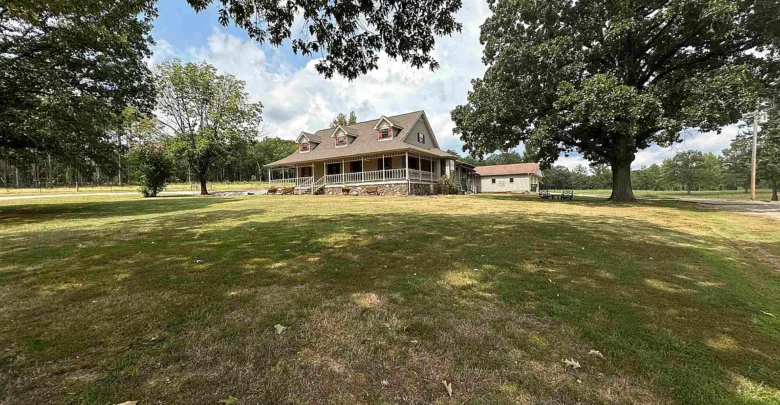
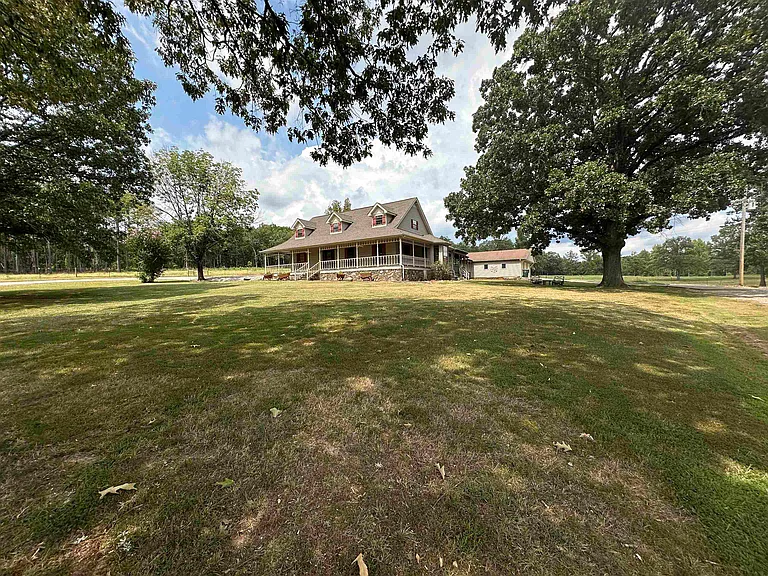
Every so often a property comes along that makes you look twice at the numbers, and then look a third time to make sure you read them correctly. At 12535 Highway 247 in Tuscumbia, Alabama, there is a 2,563-square-foot house with four bedrooms and three bathrooms, built in 1988, sitting on 39.38 acres of Colbert County land. The opening bid is one hundred thousand dollars.
That figure is not a typo, and it is not a price tag either. This property is being sold through an online auction, and the starting bid is exactly what the phrase suggests: a floor, not a ceiling. Where it finishes is entirely up to the people who register and compete for it. Bidding closes Tuesday, September 29th at 6:00 PM, with a two-minute reset rule that extends the clock any time a bid lands in the final two minutes. Pre-offers are accepted and are treated as bids in the public auction.
For anyone who has spent the last few years watching rural land prices climb across the South, a four-bedroom home with almost forty acres starting in the low six figures deserves a careful look. Below is a breakdown of what the listing actually says, what it does not say, how financing works when the property is at auction rather than on the open market, and what a serious buyer should verify before the clock runs out.
What the Listing Tells Us About the Property
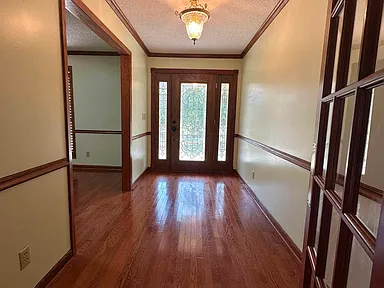
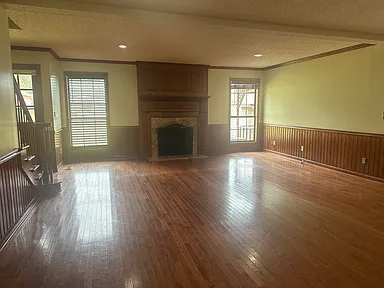
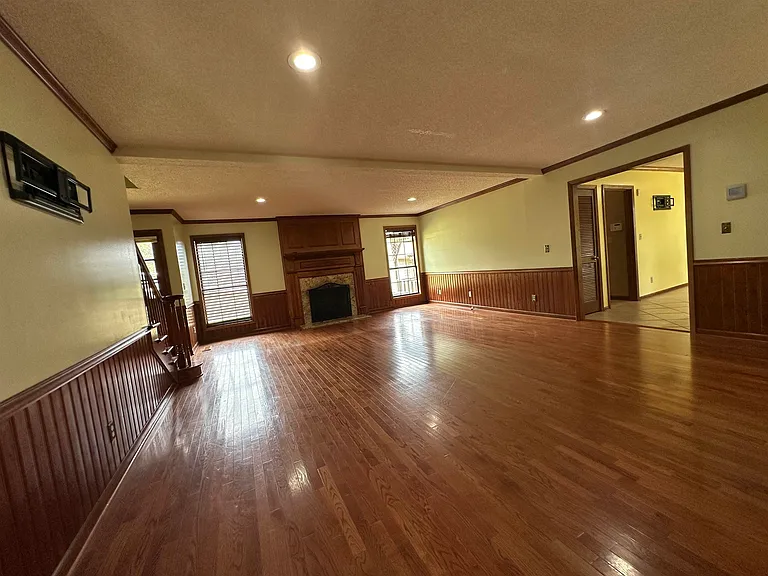
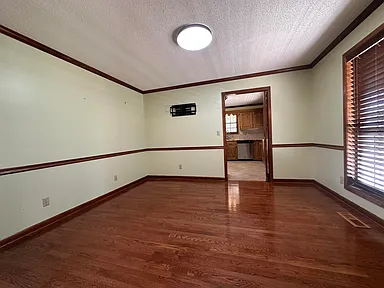
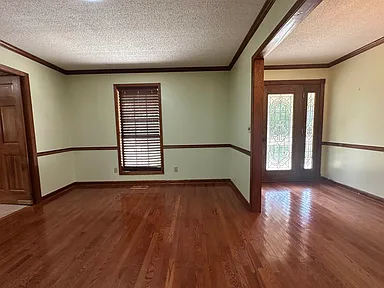
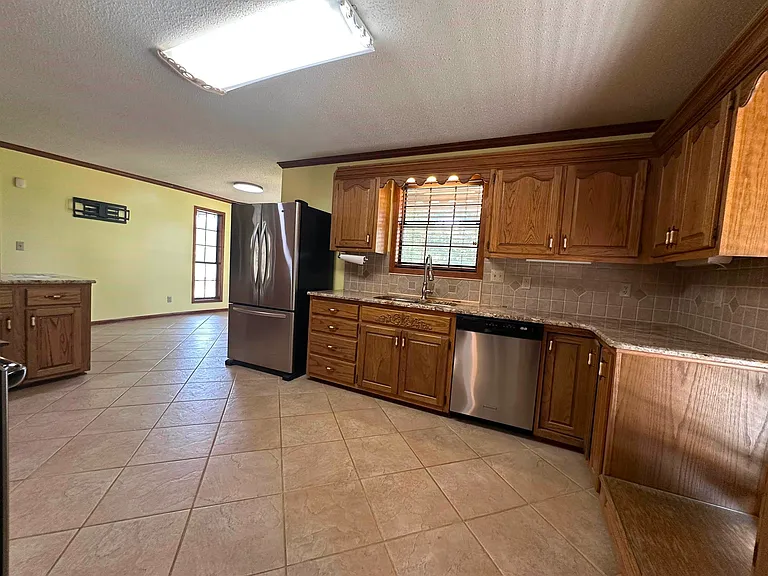
The published details are straightforward. The house measures 2,563 square feet with four bedrooms and three full bathrooms, which is a genuinely practical layout rather than a showpiece one. Homes of that footprint built in the late 1980s typically feature a formal living area, a separate den or family room, a kitchen with a dining space attached, and bedrooms distributed across one or two levels depending on the original floor plan.
Construction in 1988 puts this house in a useful window. It is new enough to have been built under modern residential codes, with proper insulation standards, copper or PEX-era plumbing rather than galvanized pipe, and grounded electrical service with a breaker panel instead of fuses. It is old enough that the original roof, HVAC system, water heater, and possibly the windows have either been replaced already or are due for replacement soon. That is not a warning so much as a budgeting note. A thirty-eight-year-old house is a known quantity, and the major systems follow predictable replacement cycles.
Then there is the land. At 39.38 acres, this is not a large lot with a few trees on it. This is acreage, and the distinction matters enormously for what you can do with the property and how you should think about its value.
What Almost Forty Acres Actually Gives You
To put the scale in perspective, a standard suburban building lot in Alabama runs somewhere between a quarter and half an acre. This parcel is roughly eighty to one hundred and sixty times that size. It is enough land to run a small cattle operation, keep horses, plant several acres of row crops, manage a woodlot for timber, maintain food plots for deer and turkey, or simply put a comfortable distance between yourself and everyone else.
Acreage of this size in the Tennessee Valley region typically breaks into a mix of open pasture and standing timber, though the exact composition for this tract needs to be confirmed in person or by aerial survey. That mix matters. Open ground is immediately usable for grazing or hay production and can generate income from the first season. Wooded acreage holds standing timber value, provides wildlife habitat, and offers privacy screening along property lines.
Here is the arithmetic that makes this listing interesting. Rural land in Colbert County and the surrounding counties has been trading at prices that, applied across nearly forty acres, can approach or exceed the entire opening bid on their own. If that holds true here, the house and any outbuildings are effectively being offered on top of the land value rather than instead of it. A buyer should verify current comparable land sales in Colbert County through a local appraiser or land broker before assuming this, but it is the first calculation worth running.
Understanding How This Auction Works
Online real estate auctions follow rules that differ meaningfully from a conventional listing, and buyers who have only ever purchased through a standard contract sometimes get caught off guard.
Registration comes first. Bidders must register at the auction company’s website, read the terms of sale, and accept them before placing a bid. Those terms are the binding document for the entire transaction, and they take precedence over anything stated in marketing material. Read them completely, twice if necessary.
The two-minute reset rule prevents last-second sniping. If a bid is placed within the final two minutes before closing, the clock extends by another two minutes. This continues until two full minutes pass with no new bid. In practice, an auction scheduled to end at 6:00 PM can run considerably past that time when two or three determined bidders are still active.
Auction terms commonly include a buyer’s premium, a percentage added to the final bid amount that forms part of the total purchase price. Earnest money is generally due immediately after the auction closes, and closing timelines are short, frequently thirty days or fewer. Most significantly, auction purchase agreements are usually written without financing contingencies and without inspection contingencies. The property sells as-is, where-is.
That last point is the one that catches people. In a traditional purchase, an inspection that reveals a failing foundation gives you an exit. At auction, in most cases, it does not. All inspection and investigation happens before you bid, during the due diligence period, not after.
Financing an Auction Property: What Actually Works
Because auction contracts typically carry no financing contingency, the practical rule is simple. Arrange your funding before you bid, not after you win.
Cash is the cleanest path and the one most auction buyers use. It removes lender timelines entirely and lets you close inside a compressed window without complication.
For buyers who need financing, a conventional mortgage is generally the most workable option. Rural properties with significant acreage sometimes exceed the parameters that conventional lenders will accept, particularly when land value substantially outweighs improvement value. Portfolio lenders and local community banks in the Shoals area are frequently more flexible here than national lenders, because they keep these loans on their own books rather than selling them into the secondary market.
USDA Rural Development loans deserve serious consideration for a property in this location. Tuscumbia and the surrounding county almost certainly fall inside USDA eligible territory, and the program offers no down payment for qualifying buyers within income limits. The obstacles are timing and property condition. USDA loans move slowly, often forty-five to sixty days, and they require the home to meet minimum property standards. An auction closing deadline of thirty days can make this impossible unless the auction company agrees to an extension in writing beforehand.
FHA financing carries a similar profile: low down payment, accessible credit requirements, and an appraisal that holds the property to condition standards. FHA also limits how much land value can be included, which can create friction on a parcel this size. For buyers eligible through military service, a VA loan offers no down payment and no mortgage insurance, though VA appraisals apply their own minimum property requirements.
An FHA 203k renovation loan folds the purchase price and repair costs into a single mortgage, which sounds ideal for a property that may need work. In practice, the 203k process involves contractor bids, consultant inspections, and escrow draws, and it simply does not fit an auction timeline. The realistic approach is to purchase with cash or short-term financing and refinance into a renovation product afterward.
Whatever route you choose, speak with your lender before the auction ends. Ask directly whether they can close a rural property with thirty-nine acres inside the stated deadline.
Insurance Considerations on Rural Acreage
Insuring a rural property differs from insuring a house in town, and premiums can surprise buyers who did not price the policy in advance.
Distance from the nearest fire station and from the nearest water source directly affects your protection class rating, which drives premium cost. Rural properties often rate significantly higher than suburban ones for this reason alone. Get a quote using the exact address before you bid.
Alabama sits in an active severe weather corridor, and wind and hail coverage is not optional in this part of the state. Check whether the policy carries a separate wind and hail deductible, which is frequently calculated as a percentage of the dwelling value rather than a flat amount.
A standard homeowners policy covers the house and a limited allowance for detached structures. If the property includes barns, equipment sheds, or workshops of meaningful value, those need to be scheduled specifically. Livestock, farm equipment, and stored hay generally require a farm or ranch policy rather than a homeowners policy.
Liability coverage deserves particular attention on acreage. Larger tracts attract hunters, trespassers, and recreational traffic, and property owners can face exposure from incidents on land they rarely visit. An umbrella liability policy is inexpensive relative to the protection it provides.
If any portion of the acreage sits within a designated flood zone, flood insurance becomes a separate purchase through the National Flood Insurance Program or a private carrier. Check the FEMA flood map for the parcel before bidding.
Your Due Diligence Checklist
The due diligence period is the entire window in which you can protect yourself. Once the auction closes, that window shuts. Work through the following before placing a bid.
Visit the property in person and walk the land, not just the house. Boundaries, terrain, drainage, and access roads tell you things no photograph will.
Hire a licensed home inspector and, given the 1988 construction date, consider a separate HVAC and electrical evaluation. Ask specifically about the roof age, foundation condition, and any evidence of moisture intrusion.
Confirm the water source. Rural properties in Colbert County may be on a municipal or rural water system or on a private well. If it is a well, test the water and confirm the pump and pressure tank condition and age.
Confirm the septic system. Locate the tank and field lines, ask when it was last pumped, and if possible have it inspected. Septic replacement on acreage is a five-figure expense.
Order a title search and confirm there are no liens, unresolved estate claims, or judgments attached to the property. Auction properties sometimes carry complicated histories.
Check for easements and rights of way. Utility easements, shared driveways, and neighbor access agreements all affect how you can use the land.
Verify zoning and current use classification with Colbert County. If the land carries a current-use agricultural tax valuation, changing its use may trigger rollback taxes.
Confirm mineral and timber rights convey with the surface. In parts of Alabama, these have been severed from surface ownership and sold separately.
Pull the property tax record and confirm the annual amount and whether any taxes are outstanding.
Finally, read the auction terms of sale in full, and have a real estate attorney review them if you are unfamiliar with auction purchase agreements. In Alabama, attorneys commonly handle real estate closings, so you will likely be working with one regardless.
Tuscumbia and the Shoals: Local Market Context
Tuscumbia sits in Colbert County in the northwest corner of Alabama, along the Tennessee River, as one of the four cities that make up the region known locally as The Shoals. The others are Sheffield, Muscle Shoals, and Florence across the river in Lauderdale County. Together they form a metropolitan area of roughly 150,000 people.
Tuscumbia is the county seat, and it carries more history than its size suggests. Ivy Green, the birthplace of Helen Keller, sits in town and draws visitors from across the country. The Tuscumbia Historic District contains hundreds of contributing structures and some of the oldest commercial buildings in Alabama, dating to the 1820s and 1830s. Spring Park, built around the natural spring that drew the first settlers, anchors the town center.
The broader region is known worldwide for music. FAME Studios in Muscle Shoals and the Muscle Shoals Sound Studio in Sheffield produced recordings that shaped American popular music for decades, and both continue to operate and draw visitors.
Economically, The Shoals is supported by manufacturing, healthcare, education through the University of North Alabama in Florence, and a growing tourism sector. Housing costs across Colbert County remain well below national averages, which is precisely what makes a listing like this one worth examining. A four-bedroom home in many American markets would cost several times the opening bid here, and that is before accounting for the thirty-nine acres attached to it.
Highway 247 runs south from the Tuscumbia area into rural Colbert County, giving this property genuine country separation while keeping shopping, medical care, and employment within a reasonable drive.
Who This Property Suits
This is not a property for everyone, and that is exactly why the opportunity exists. A buyer who wants a move-in-ready suburban house with a manicured yard should look elsewhere. A buyer who wants land, privacy, room for animals or crops, and a solid house to work from will find very few comparable options at this price point anywhere in the country.
It also suits buyers who understand auction mechanics and can act decisively. The due diligence work has to happen before September 29th, the financing has to be arranged in advance, and the decision has to be made with a clock running. That pressure is precisely what keeps casual buyers away and creates room for prepared ones.
The opening bid is one hundred thousand dollars. Where it ends depends on who shows up.
Watch Via Zillow
Our website is designed for informational and entertainment purposes only. We are not a real estate brokerage or licensed contracting service. We operate solely as an independent blog, curating interesting houses, DIY guides, and practical home tips found across the internet. All decisions related to real estate transactions or home renovations should be made in consultation with licensed professionals. We do not guarantee the ongoing accuracy or availability of external property listings, as market statuses change rapidly. Please use our content at your own discretion.