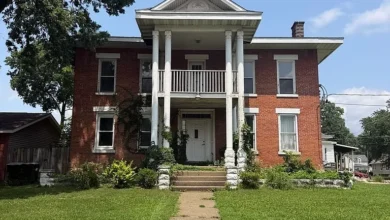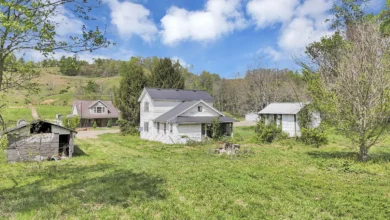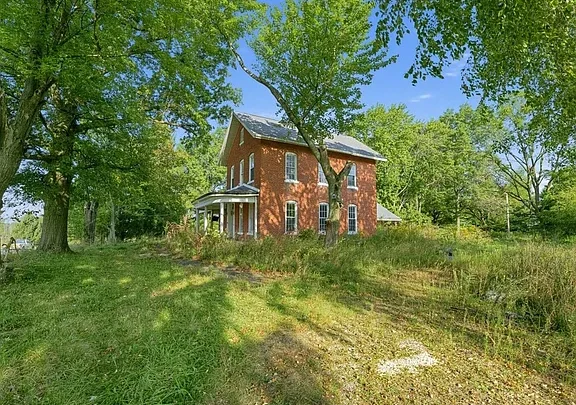
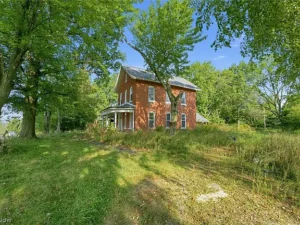
Some homes are simply places to live. Others carry nearly two centuries of stories inside their walls. The Ashland Heritage Estate at 1444 State Route 96 in Ashland, Ohio is one of those rare properties. Built in 1840, this stately brick homestead offers more than 3,000 square feet of living space, four bedrooms, and approximately three private acres, all listed at $199,000.
For buyers who dream of restoring a true piece of American history, this home offers solid bones, timeless character, and a peaceful country setting with plenty of room to grow. In this article, we take a closer look at the property’s features, its land, its location, the financing options buyers may explore, insurance considerations for historic homes, and a practical due diligence checklist for anyone considering a restoration project like this one.
Property at a Glance
- Price: $199,000
- Location: 1444 State Route 96, Ashland, Ohio 44805
- Built in 1840
- 4 bedrooms
- Bathrooms: listed as 3 in the summary, described as two-and-a-half in the listing
- Approximately 3,056 square feet of living space
- Approximately 3 level, private acres
- Solid brick construction
- Ten total rooms
- Warm fireplace
- Beautifully crafted staircase
- Flexible two-story floor plan
- Original architectural details
- Twin open porches
- Mature trees
- Restoration opportunity
A Homestead from 1840
To understand what makes this property special, it helps to picture Ohio in 1840. The state had joined the Union less than four decades earlier, and much of the land was still being settled and farmed. Families who built brick homes during this era were making a statement of permanence. Brick was a significant investment, and a home like this one was meant to last for generations.
It has done exactly that. More than 180 years later, the Ashland Heritage Estate still stands proudly along State Route 96. Surviving homes from this period are increasingly rare, and each one offers a direct connection to the early history of the region. For preservation lovers, owning a home like this is not just a purchase. It is an act of stewardship.
Solid Brick Construction and Timeless Bones
Restoration buyers often say that the most important thing to look for in an older home is good bones. Finishes can be updated, kitchens can be remodeled, and systems can be replaced, but the core structure and proportions of a house are much harder to change. This homestead offers solid brick construction and original architectural details, which are exactly the kind of foundation that makes a restoration worthwhile.
Brick homes of this age also tend to have thick walls, which can help moderate indoor temperatures and give rooms a sense of quiet and solidity. Of course, historic masonry needs proper care. Any restoration plan should include an evaluation of the brick and mortar by a mason experienced with older buildings, since historic brick often requires softer lime-based mortar rather than modern cement mixes.
Inside: Generous Rooms and a Crafted Staircase
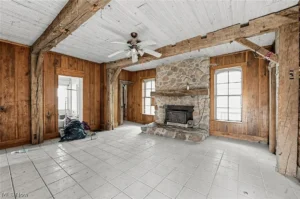
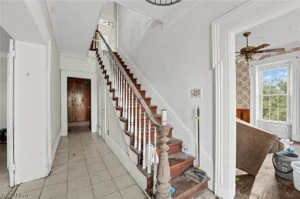
The listing describes an interior where the story begins the moment you step inside. Generous room proportions give the home a sense of space that many newer houses lack. A warm fireplace offers a natural gathering point, especially during Ohio’s cold winters, and a beautifully crafted staircase anchors the two-story floor plan.
Staircases in historic homes are often among the finest examples of craftsmanship in the house. Handrails, balusters, and newel posts were frequently shaped by hand, and preserving them can become a highlight of any restoration. Similarly, the fireplace can serve as the design centerpiece of the main living space. Before using it, however, buyers should have the chimney inspected by a certified professional.
Ten Rooms and a Flexible Floor Plan
With ten total rooms, this home offers plenty of space to breathe. The flexible two-story layout supports many different lifestyles, with room for gathering, working, entertaining, and everyday living. Just as important, the listing notes that buyers have the freedom to reconfigure, which is valuable for anyone planning to modernize the home for today’s needs.
Some ideas for using the space include:
- A formal dining room for holidays and family gatherings
- A dedicated home office or two for remote work
- A library or reading room near the fireplace
- A playroom or homeschool space for children
- A guest suite for visiting family
- A craft room, music room, or hobby studio
- An expanded kitchen that opens to a family room
Four Bedrooms and the Bathroom Question
The home offers four bedrooms, which suits growing families, multigenerational households, or buyers who want extra rooms for guests and hobbies. The listing summary shows three bathrooms, while the description mentions two-and-a-half baths. Buyers should confirm the exact bathroom count and condition during a showing.
In many restoration projects, bathrooms are one of the first areas to be updated. Planning bathroom renovations early can help buyers create a realistic budget and prioritize the improvements that matter most for daily comfort.
Three Level Acres: The Land Is the Second Story
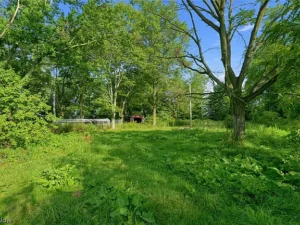
The listing puts it well: outside, the land is the second story. Approximately three level acres surround the home, providing a peaceful country setting with privacy and space that is increasingly hard to find. Level land is especially useful because it makes gardening, building, and recreation much easier than sloped terrain.
Depending on local zoning and the owner’s goals, the acreage could support:
- Large vegetable and flower gardens
- A small orchard or berry patch
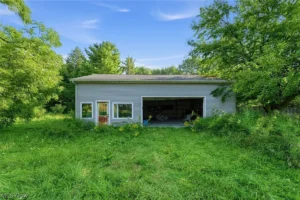
- A workshop, pole barn, or detached garage, subject to approval
- Chickens, goats, or other small animals where permitted
- Play areas, a swing set, or a sports field
- A fire pit and outdoor entertaining area
- A quiet private retreat surrounded by trees
Twin Porches and Mature Trees
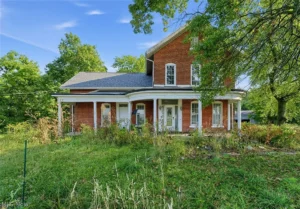
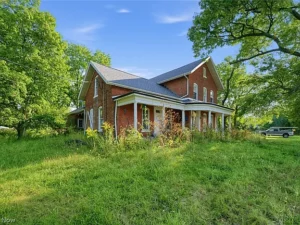
Twin open porches bring classic country charm to the home. They are perfect places for morning coffee, evening conversations, and simply watching the seasons change. Porches also extend the home’s living space for much of the year.
Mature trees add beauty, shade, and a sense of history to the property. Trees that have been growing for decades cannot be replaced quickly, and they help create the private, established feeling that makes a country home so appealing. As part of routine care, it is wise to have large trees near the house evaluated by an arborist.
About Ashland, Ohio
Ashland is the county seat of Ashland County in north-central Ohio. The city is home to Ashland University and is known for its friendly small-town atmosphere. It is conveniently located near Interstate 71, which connects the area to Cleveland to the north and Columbus to the south, making it practical for buyers who want a quieter lifestyle without being too far from larger cities.
The surrounding region is known for farmland, rolling countryside, and outdoor recreation. The Mohican area, with its forests, trails, and river activities, is a popular destination within driving distance. For buyers relocating from more expensive markets, communities like Ashland can offer remarkable value, especially for historic homes on acreage.
Financing Options to Consider
Because this home is described as a restoration opportunity, financing will depend on its current condition and the buyer’s plans. Speaking with a lender experienced in older homes is a smart first step.
Conventional Loans
Conventional mortgages can work well for buyers with good credit and a solid down payment, provided the home meets the lender’s condition requirements. Local banks and credit unions are sometimes more flexible with historic properties.
FHA Loans
FHA loans offer lower down payment options and flexible credit guidelines. The home must meet FHA minimum property standards, so the appraisal will play an important role.
FHA 203k Renovation Loans
For a restoration project, an FHA 203k loan can be especially useful. It allows buyers to combine the purchase price and renovation costs into a single mortgage, which can help fund updates to systems, bathrooms, kitchens, and more.
VA Loans
Eligible veterans and service members may qualify for VA financing, often with no down payment. The home must meet VA property requirements, and VA renovation loan options may be worth discussing with a lender.
USDA Loans
USDA loans support homeownership in eligible rural areas for income-qualified buyers. Buyers should check the USDA eligibility map for this specific address.
Conventional Renovation Loans
Programs such as Fannie Mae HomeStyle and Freddie Mac CHOICERenovation also allow renovation costs to be included in the loan and may suit buyers with stronger credit.
Insurance Considerations
Insuring an 1840 home requires some planning. Insurers typically ask about the age and condition of the roof, electrical system, plumbing, and heating. Older wiring or outdated systems can affect eligibility or premiums, so it helps to know what has been updated and when.
If the home will be vacant during restoration, a vacant property or builder’s risk policy may be needed. Replacement cost should also be reviewed carefully, since rebuilding historic brickwork and handcrafted details can be expensive. Getting insurance quotes early in the buying process can prevent surprises at closing.
Due Diligence Checklist
- Hire a home inspector experienced with historic homes
- Have a mason evaluate the brick and mortar
- Consult a structural engineer about the foundation and framing
- Check the age and condition of the roof
- Evaluate the electrical system, including wiring type and panel capacity
- Inspect plumbing, the water heater, and heating and cooling systems
- Confirm the exact bathroom count and condition
- Have the fireplace and chimney inspected
- Test for lead paint, asbestos, and radon
- Test well water if the home is not on public water
- Inspect the septic system if applicable
- Verify lot lines and acreage with a survey
- Review zoning if you plan outbuildings or animals
- Check property taxes, utility costs, and flood zone status
- Obtain contractor estimates before finalizing your offer
- Set aside a contingency budget of at least fifteen to twenty percent
Who Is This Property Right For?
The Ashland Heritage Estate is ideal for buyers who see potential where others see work. Restoration enthusiasts, growing families, homesteaders, and anyone looking for space and character at an accessible price will find a great deal to love here. It may also appeal to buyers who want a long-term project that they can shape to their own taste over time.
Final Thoughts
At $199,000, this 1840 brick homestead offers an uncommon combination of history, space, and land. With more than 3,000 square feet, four bedrooms, ten rooms, a warm fireplace, a beautifully crafted staircase, twin porches, mature trees, and approximately three level acres, it provides the timeless foundation that restoration buyers look for.
For the right owner, this could become a spectacular country home that honors nearly two centuries of history while welcoming a bright new future. Homes like this truly come along once in a generation.
ZILLOW link
Our website is designed for informational and entertainment purposes only. We are not a real estate brokerage or licensed contracting service. We operate solely as an independent blog, curating interesting houses, DIY guides, and practical home tips found across the internet. All decisions related to real estate transactions or home renovations should be made in consultation with licensed professionals. We do not guarantee the ongoing accuracy or availability of external property listings, as market statuses change rapidly. Please use our content at your own discretion.