ctrl
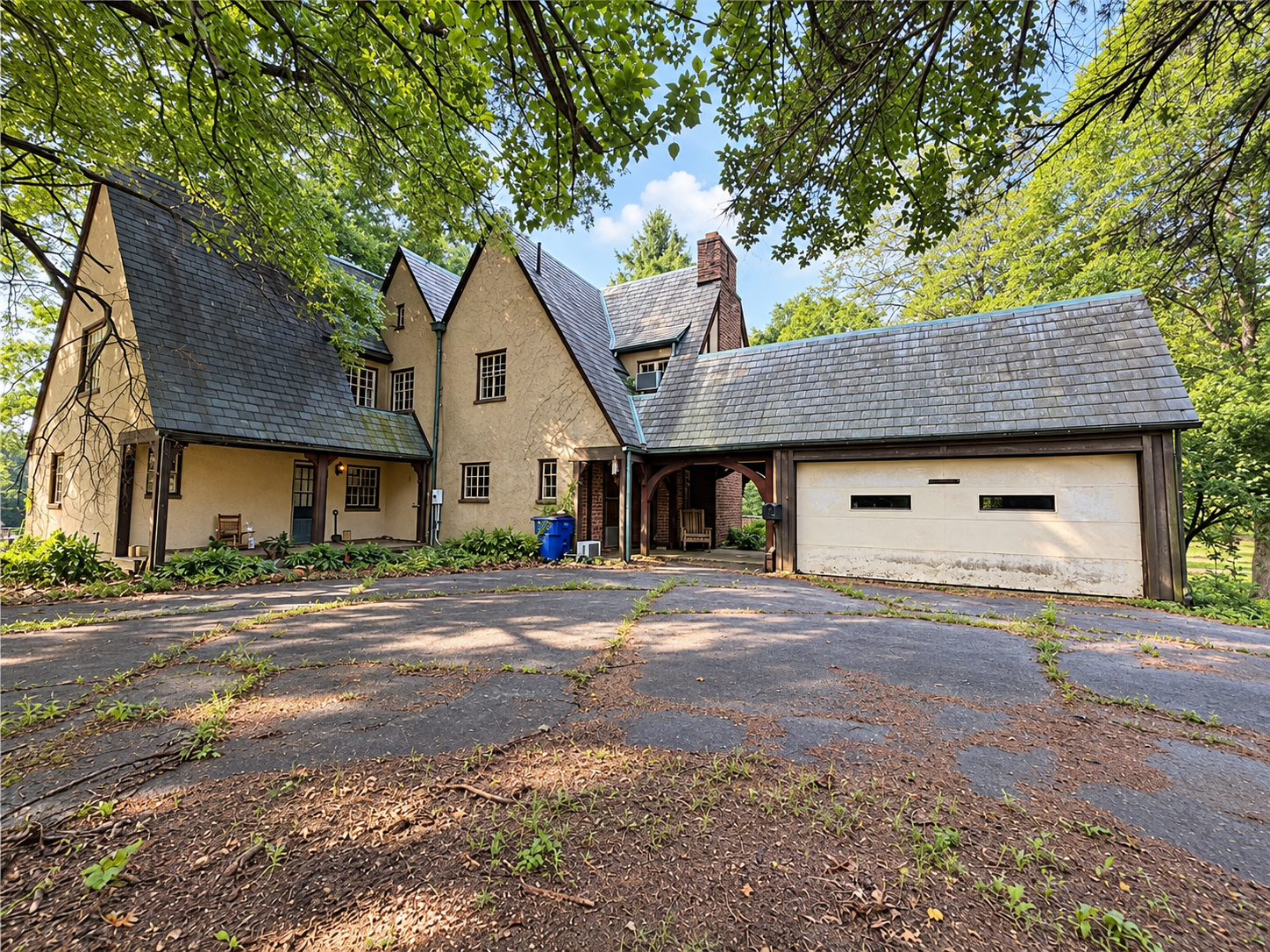
Certain homes command attention the moment you see them. This grand Tudor residence in East Liverpool, Ohio is one of them. With its classic brick and stucco exterior, striking architectural lines, and a wealth of original details inside, it stands as a reminder of an era when homes were built with craftsmanship, character, and a sense of permanence.
The home is currently in need of renovation, which makes it an outstanding opportunity for investors, restoration enthusiasts, or anyone who has dreamed of bringing a historic property back to life. Set in a peaceful location near Thompson Park, it combines architectural beauty with a lovely setting. In this article, we take a detailed look at the home’s features, the restoration opportunity, the location, financing options, insurance considerations, and a complete due diligence checklist for buyers considering a project like this one.
Property Highlights
- Grand Tudor architecture
- Classic brick and stucco exterior
- Hardwood floors throughout
- Original details and beautiful craftsmanship
- Spacious living room with a cozy fireplace
- Built-in cabinets
- Formal dining room
- Grand staircase
- Generously sized bedrooms
- Additional flexible rooms
- Spacious floor plan
- In need of renovation
- Peaceful setting near Thompson Park
- Located in East Liverpool, Ohio
The Timeless Appeal of Tudor Architecture
Tudor Revival homes became popular in America during the early decades of the twentieth century. Inspired by medieval English architecture, they are known for steeply pitched roofs, prominent gables, tall narrow windows, decorative half-timbering, and substantial masonry chimneys. The style was often used for homes intended to project stability, tradition, and elegance.
Tudor homes are widely admired because they feel storybook-like from the outside and warm and inviting inside. Their distinctive rooflines and rich textures give them a presence that modern construction rarely matches. Finding one available at a restoration price makes this property especially compelling.
Classic Brick and Stucco Exterior
The exterior combines brick and stucco, a hallmark of the Tudor style. The contrast of materials creates visual depth and an elegant first impression from the moment you arrive.
Brick is durable and long-lasting, while stucco provides texture and a handcrafted look. Both materials require occasional maintenance. Buyers should have the masonry evaluated for cracks, moisture issues, and mortar condition, and check stucco for damage or areas where water may have entered behind the surface.
Hardwood Floors and Original Craftsmanship
Inside, hardwood floors run throughout the home, bringing warmth and continuity to each room. Original hardwood is one of the most desirable features in an older house, and in many cases it can be refinished rather than replaced, preserving the wood’s history and character.
The listing also highlights original details and beautiful craftsmanship. In homes of this era, those details often include substantial trim and moldings, solid wood doors with vintage hardware, arched doorways, plaster walls, and carefully constructed built-ins. Preserving these features is usually what makes a restored historic home feel authentic rather than merely renovated.
Spacious Living Room with Fireplace and Built-Ins
The spacious living room features a cozy fireplace, which naturally becomes the heart of the space. In Tudor homes, fireplaces are often given prominent placement with decorative surrounds, making them a striking focal point.
Built-in cabinets add both storage and character. Built-ins were common in quality homes of the early twentieth century and were typically crafted on site. They are difficult and expensive to reproduce today, so keeping and restoring them is almost always worthwhile.
Before using any fireplace, buyers should have the chimney and flue inspected by a certified professional, since older chimneys often need repair or relining.
A Formal Dining Room
The formal dining room provides a welcoming setting for family meals and special gatherings. Separate dining rooms were standard in homes of this period and have become desirable again for buyers who enjoy hosting holidays and dinner parties.
In a restoration, a formal dining room offers a wonderful opportunity to highlight original woodwork, plaster details, and period lighting while adding modern comfort.
The Grand Staircase
The listing describes the grand staircase as one of the home’s most beautiful original features, and staircases are often the signature element of a Tudor home. Handcrafted newel posts, balusters, and railings showcase the skill of the original builders.
A well-restored staircase anchors the entire home and creates a memorable first impression for every guest who walks through the door.
Generously Sized Bedrooms and Flexible Rooms
The bedrooms are generously sized, offering comfort, privacy, and flexible living options. Larger bedrooms give owners room for full-size furniture, sitting areas, or reading nooks.
Additional rooms could easily serve as:
- A home office for remote work
- A guest room
- A creative studio for art, music, or crafts
- A library or reading room
- A playroom or homeschool space
- A fitness room
That flexibility is one of the great advantages of an older home with a spacious floor plan.
A Renovation Opportunity
The property is in need of renovation, and the listing presents this honestly. For investors and restoration enthusiasts, that is exactly the appeal. Homes that still hold their original details but need updating offer the chance to add significant value while preserving history.
A realistic renovation plan for a home of this type often includes:
- A full inspection of the roof and chimneys
- Evaluation and possible updating of electrical wiring and the service panel
- Plumbing review and replacement of outdated pipes
- Heating and cooling system updates
- Window restoration or careful replacement
- Masonry and stucco repairs
- Refinishing hardwood floors
- Plaster repair and repainting
- Kitchen and bathroom modernization
- Insulation improvements for energy efficiency
The goal in a historic home is usually to modernize systems and comfort while protecting the details that give the house its identity. Working with contractors who have experience with older homes makes a significant difference in the final result.
A Peaceful Setting Near Thompson Park
Location adds meaningful value here. The home sits in a peaceful setting near Thompson Park, one of East Liverpool’s notable green spaces. Living near a park offers walking paths, open space, and a pleasant outlook, all of which enhance daily life and long-term appeal.
Neighborhoods near parks often have mature trees and established character, which suits a Tudor home beautifully.
About East Liverpool, Ohio
East Liverpool is located in Columbiana County in eastern Ohio, along the Ohio River near the point where Ohio, Pennsylvania, and West Virginia meet. The city has a rich industrial heritage and was once widely known as a center of American pottery production, earning it a reputation as the pottery capital of the nation. That history is preserved today at the Museum of Ceramics.
The city’s prosperous past is reflected in its architecture. Substantial homes from the late nineteenth and early twentieth centuries can still be found throughout the area, often at prices far below what comparable homes would cost in larger markets. For restoration-minded buyers, that affordability creates real opportunity.
East Liverpool also offers convenient access to Pittsburgh, which is within driving distance, making it appealing to buyers who want historic character and a quieter setting while remaining within reach of a major city.
Financing Options to Consider
Because this home needs renovation, financing depends heavily on its current condition and the buyer’s plans.
Cash Purchase
Investors often purchase renovation properties with cash, which simplifies the process and avoids lender condition requirements. Buyers should still reserve funds for the work itself.
Conventional Loans
Conventional lenders may require the home to be habitable at closing. Local banks and credit unions in Ohio are often more flexible with older homes than national lenders.
FHA 203k Renovation Loans
For owner-occupants, an FHA 203k loan can combine the purchase price and renovation costs into one mortgage. This is often one of the best tools for buying a historic home that needs work.
Fannie Mae HomeStyle and Freddie Mac CHOICERenovation
These conventional renovation programs also allow renovation costs to be financed and may suit buyers with stronger credit profiles.
VA Loans
Eligible veterans may qualify for VA financing, though the property must meet VA standards. VA renovation loan options may be available through some lenders.
Hard Money and Investor Loans
Investors planning a quick renovation sometimes use short-term financing, then refinance or sell once the work is complete. These loans typically carry higher interest rates.
Local Grants and Incentives
Buyers should ask local officials and preservation organizations whether any rehabilitation grants, tax incentives, or historic district programs apply in East Liverpool. Ohio also offers a state historic preservation tax credit program for qualifying projects.
Insurance Considerations
Insuring a historic home in need of renovation requires planning. Many standard policies will not cover a vacant house or one undergoing major work, so a vacant property or builder’s risk policy may be necessary during the project.
Insurers will ask about the roof, electrical system, plumbing, and heating. Older wiring in particular can affect eligibility. Once renovations are complete, a standard policy should be easier to obtain, often at better rates.
Replacement cost also deserves attention. Recreating Tudor details such as stucco work, decorative woodwork, and a grand staircase would be expensive, so coverage limits should reflect that reality.
Due Diligence Checklist
- Tour the home in person and document its condition
- Hire an inspector experienced with historic homes
- Have a structural engineer evaluate the foundation and framing
- Inspect the roof, gutters, and chimneys
- Have masonry and stucco evaluated for moisture and damage
- Check the electrical system and panel capacity
- Inspect plumbing, water heater, and heating system
- Look for water damage, mold, and rot
- Test for lead paint and asbestos
- Check for termites and pest damage
- Confirm the number of bedrooms and bathrooms
- Ask whether the home is in a historic district with design rules
- Review property taxes and utility costs
- Get contractor estimates before finalizing your offer
- Obtain insurance quotes early
- Budget a contingency of at least twenty percent
Who Is This Property Right For?
This home is best suited for investors, restoration enthusiasts, and buyers who love historic architecture and are prepared for a project. It could also appeal to a family seeking a spacious, distinctive home in a peaceful setting, especially those willing to renovate over time.
Buyers with construction experience or trusted contractors will have a real advantage here, as will anyone who values character over move-in convenience.
Final Thoughts
This stately Tudor home near Thompson Park offers a rare combination of architectural beauty, original craftsmanship, and restoration potential. With its brick and stucco exterior, hardwood floors, fireplace, built-in cabinets, formal dining room, grand staircase, and generously sized bedrooms, it retains the elegance that made Tudor homes so beloved.
With thoughtful restoration, this extraordinary residence could once again become one of the most impressive homes in East Liverpool, honoring its past while beginning a bright new chapter.


Watch Via Zillow
Our website is designed for informational and entertainment purposes only. We are not a real estate brokerage or licensed contracting service. We operate solely as an independent blog, curating interesting houses, DIY guides, and practical home tips found across the internet. All decisions related to real estate transactions or home renovations should be made in consultation with licensed professionals. We do not guarantee the ongoing accuracy or availability of external property listings, as market statuses change rapidly. Please use our content at your own discretion.