Houses
74 Acres of Secluded West Virginia Mountain Land with a Cabin, Free Gas, and Marketable Timber

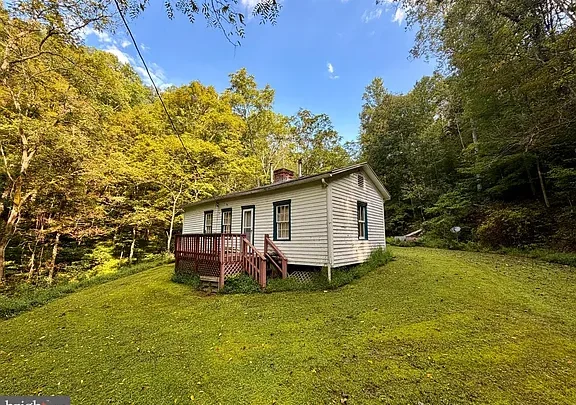
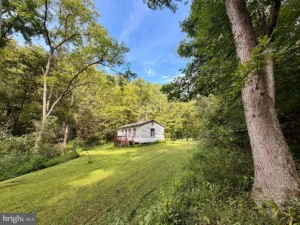
In a world that keeps getting louder and more crowded, the idea of owning a private mountain retreat has never sounded better. This 74-acre tract in West Virginia offers exactly that kind of escape. Tucked into secluded mountain country, it combines exceptional hunting ground, marketable timber, an established trail system, and a cabin that conveys with the property.
What sets this tract apart is the infrastructure. Electric service is already on site, along with private water and private sewer, and the property includes free gas. For anyone who has shopped for raw recreational land, you know how rare that combination is. Most remote tracts require significant investment just to make them usable. Here, the groundwork is already done. In this article, we explore the land, the timber, the cabin, the utilities, financing options for recreational property, insurance considerations, and a thorough due diligence checklist.
Property Highlights
- Approximately 74 acres in West Virginia
- Secluded mountain property
- Exceptional hunting ground
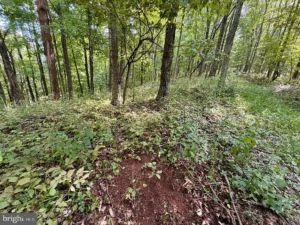
- Marketable timber, including white and red oaks
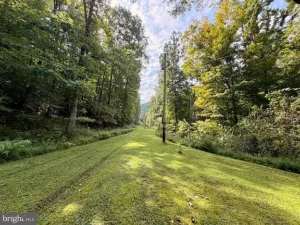
- Established internal trail system
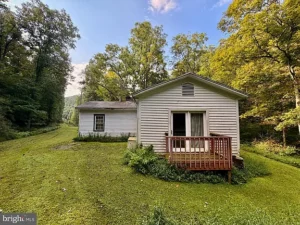
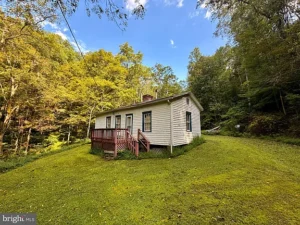
- Existing cabin, conveying strictly as-is
- Electric already on site
- Private water
- Private sewer
- Free gas
- Excellent for hunting, recreation, and camping
- Strong privacy and seclusion
74 Acres of Mountain Seclusion
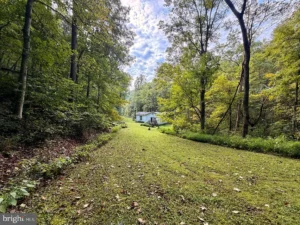
West Virginia is called the Mountain State for good reason. Its steep ridges, hollows, and hardwood forests create some of the most rugged and beautiful country in the eastern United States. A 74-acre tract in this landscape offers real seclusion, the kind where you can walk for a long time without seeing a road, a rooftop, or another person.
For buyers seeking privacy, acreage of this size provides a genuine buffer from neighbors and noise. It also creates a sense of ownership that smaller lots simply cannot match. You are not buying a backyard. You are buying a piece of mountain country.
An Established Internal Trail System
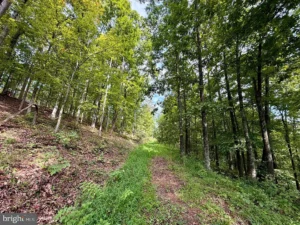
One of the most practical features of this property is its existing trail system. Anyone who has bought raw wooded land knows how much work it takes to cut and maintain trails. It requires equipment, time, and often professional help, especially on steep mountain terrain.
With trails already established, a new owner can immediately:
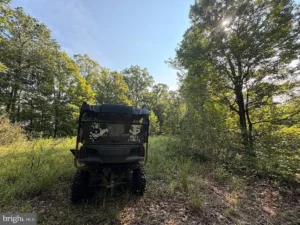
- Explore the full property on foot or by ATV
- Reach hunting stands and food plot areas easily
- Move equipment and supplies around the tract
- Access the cabin without difficulty
- Haul firewood or harvested game
- Enjoy hiking and riding for recreation
Trails also increase the usable value of land. Areas that would otherwise be difficult to reach become part of everyday enjoyment.
Marketable Timber: White and Red Oaks
The property features a beautiful mix of white and red oaks. These are two of the most valuable hardwood species in the Appalachian region.
White oak is especially prized. It is used in flooring, furniture, and cabinetry, and is the traditional wood for whiskey and wine barrels because its tight grain holds liquid. Red oak is widely used in flooring, furniture, and millwork and is a staple of the hardwood industry.
For landowners, mature oak stands can represent real financial value. Options include:
- Holding the timber as a long-term asset that grows over time
- Conducting a selective harvest that removes mature trees while leaving the forest healthy
- Working with a professional forester to create a management plan
- Leaving the timber untouched purely for wildlife and beauty
Oaks also produce acorns, which are a primary food source for deer, turkey, bear, and squirrels. That is one reason oak ridges are considered prime hunting ground. Timber value and wildlife value go hand in hand here.
Buyers interested in timber should hire an independent consulting forester for a timber cruise, which estimates species, volume, and value before purchase.
Exceptional Hunting Opportunities
West Virginia is well known among hunters for its whitetail deer, wild turkey, black bear, and small game. Large wooded tracts with oaks, varied terrain, and limited human pressure tend to hold game well.
This property’s combination of size, seclusion, oak mast, and trail access makes it appealing as a private hunting retreat. Owners can manage the land for wildlife over time by creating food plots in open areas, maintaining water sources, improving bedding cover, and practicing selective harvest.
Hunters should review current West Virginia hunting regulations, license requirements, and season dates with the West Virginia Division of Natural Resources, and confirm any landowner provisions that may apply.
The Cabin: Sold Strictly As-Is
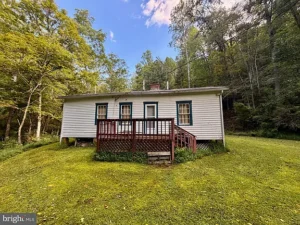
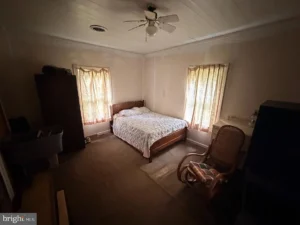
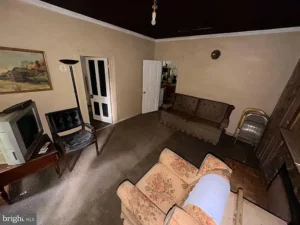
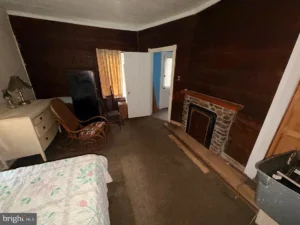
An existing cabin conveys with the property and is being sold strictly as-is. The listing describes it as a place to get out of the elements while enjoying everything the property has to offer.
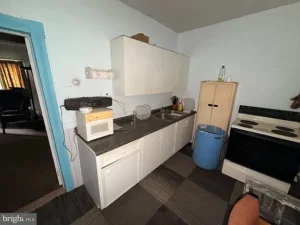
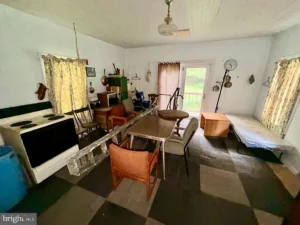
That phrasing is important. As-is means the seller makes no promises about condition and will not perform repairs. Buyers should inspect the cabin carefully and set expectations accordingly. It may be a comfortable base camp, or it may need substantial work.
Even a basic cabin adds real value on recreational land. It provides shelter during cold or wet weather, secure storage for gear, a place to sleep during hunting season, and a starting point for future improvements. Depending on its condition and local rules, an owner might eventually renovate it, expand it, or replace it with a larger cabin or home.
Utilities Already in Place
This is where the property truly stands apart from typical raw land.
Electric On Site
Running electric service to a remote mountain tract can cost thousands of dollars, sometimes far more if poles must be set over long distances. Having power already on site removes that hurdle entirely and makes the cabin far more usable.
Private Water
The property has private water, which typically means a well or spring source. Buyers should have the water tested for quality and check the system’s condition and output.
Private Sewer
Private sewer means a septic system serves the property. Buyers should have it inspected and ask about its age, size, and permit history, especially if they plan to expand the cabin later.
Free Gas
Free gas is a distinctive feature found on some West Virginia properties, generally tied to historic gas well or lease agreements that provide the surface owner with a gas allotment for household use. It can significantly reduce heating and cooking costs.
Because free gas arrangements vary widely, buyers should ask for documentation in writing. Key questions include who operates the well, what volume is provided, whether there are annual limits, how long the arrangement lasts, what happens if the well stops producing, and who is responsible for maintaining the lines. An attorney experienced with West Virginia oil and gas matters can review the agreements.
Mineral Rights and Title Questions
In West Virginia, mineral rights are often severed from surface rights, meaning a different party may own the oil, gas, coal, or other minerals beneath the land. This is extremely common in the region and does not necessarily create problems, but buyers should understand exactly what they are purchasing.
Important questions include whether any mineral rights convey, whether existing leases are in place, whether there are active or plugged wells on the property, and what surface rights a mineral owner may hold. A thorough title search by a local attorney is essential.
Recreation Beyond Hunting
While hunting is a major draw, this property supports many other outdoor activities:
- Camping and overnight stays at the cabin
- Hiking and trail running
- ATV and UTV riding
- Wildlife watching and nature photography
- Mushroom and berry foraging in season
- Firewood cutting
- Stargazing far from city light pollution
- Family gatherings and weekend getaways
West Virginia’s four distinct seasons mean the property offers something different throughout the year, from spring green-up and turkey season to brilliant autumn foliage and quiet snowy winters.
Financing Recreational Land
Financing land is different from financing a typical home, and buyers should plan accordingly.
Land and Lot Loans
Many banks offer land loans, which often require larger down payments and shorter terms than home mortgages. Local and regional banks familiar with West Virginia land are often the best starting point.
Farm Credit and Rural Lenders
Farm Credit institutions and rural lenders specialize in recreational and agricultural land. They frequently offer longer terms for large tracts and understand timber value.
Timberland and Recreational Property Lenders
Some lenders focus specifically on hunting and timber properties and may consider timber value as part of the overall picture.
Conventional Mortgages
Because the cabin is sold as-is and may not meet standard habitability requirements, traditional mortgage financing may be difficult. Buyers should discuss this openly with lenders early.
Cash Purchases and Seller Financing
Many recreational tracts sell for cash. Buyers can also ask whether the seller would consider financing, though that varies case by case.
Insurance Considerations
Insurance for recreational land differs from homeowner coverage. Because the cabin is likely not a primary residence, buyers usually need a vacant land policy, a seasonal dwelling policy, or a specialty recreational property policy.
Liability coverage deserves particular attention. If friends, family, or hunting guests will use the property, liability protection is important. Owners who lease hunting rights to others should discuss that use with their agent as well.
Insurers will ask about the cabin’s condition, heating source, electrical system, and distance from fire services. Given the as-is condition, coverage options may be limited until improvements are made. Getting quotes before closing is strongly recommended.
Due Diligence Checklist
- Order a current survey to confirm the 74 acres and boundaries
- Walk the entire trail system and as much of the tract as possible
- Hire a consulting forester for a timber cruise and valuation
- Have the cabin inspected, understanding it is sold as-is
- Inspect the cabin’s roof, foundation, wiring, and heating source
- Test the private water source for quality and flow
- Have the septic system inspected and check permits
- Obtain written documentation of the free gas arrangement
- Confirm which mineral rights, if any, convey
- Check for existing oil and gas leases, pipelines, and wells
- Verify legal, deeded access to the property
- Check for easements, rights of way, and shared roads
- Review property taxes and any managed timberland or farm assessment
- Confirm county rules for cabins, camping, and future building
- Ask about internet and cell service availability
- Test road and trail access in wet weather if possible
- Consult a West Virginia real estate attorney for title review
- Obtain insurance quotes based on your intended use
Who Is This Property Right For?
This tract is ideal for hunters seeking a private retreat, families wanting a weekend getaway, outdoor enthusiasts who value seclusion, and investors interested in timber and land appreciation. It may also appeal to someone planning to eventually build a permanent mountain home, since power, water, and sewer are already established.
It is best suited to buyers comfortable with as-is condition and rural ownership responsibilities, including road maintenance, land management, and seasonal access challenges.
Final Thoughts
Properties combining size, privacy, natural resources, and existing infrastructure are becoming harder to find every year. This 74-acre West Virginia mountain tract delivers all four. With an established trail system, valuable white and red oak timber, excellent hunting potential, an existing cabin, electric, private water, private sewer, and free gas, it offers a rare foundation for whatever a new owner envisions.
Whether the goal is a hunting camp, a timber investment, a family escape, or a future homestead in the mountains, this tract offers the kind of opportunity that does not come along often.
ZILLOW link
Our website is designed for informational and entertainment purposes only. We are not a real estate brokerage or licensed contracting service. We operate solely as an independent blog, curating interesting houses, DIY guides, and practical home tips found across the internet. All decisions related to real estate transactions or home renovations should be made in consultation with licensed professionals. We do not guarantee the ongoing accuracy or availability of external property listings, as market statuses change rapidly. Please use our content at your own discretion.