Houses
A 1930 Brick Home in Anniston, Alabama with Original Hardwoods, a Wood-Burning Fireplace, and a Huge Front Porch for $139,900

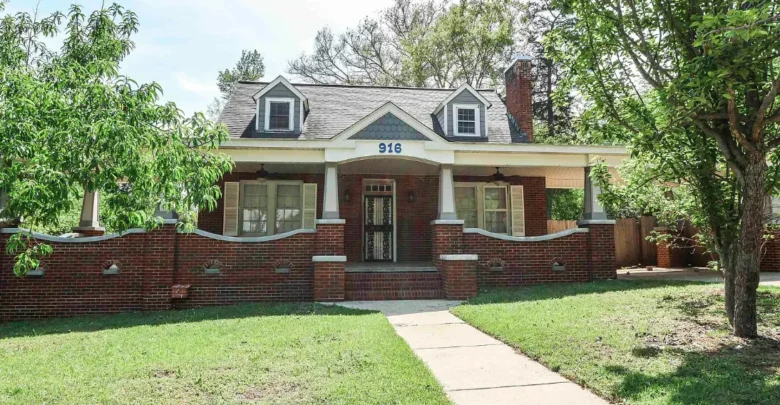
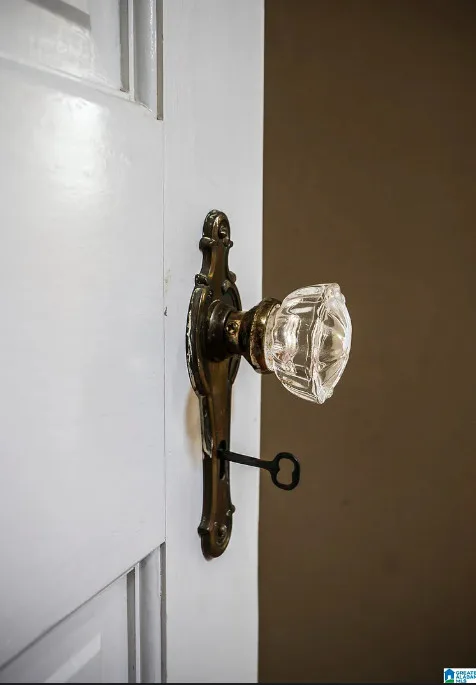
There is a moment that happens when you walk into a house built in 1930. You notice the doorknob first — actual cut glass, cool in your hand, catching the light from a transom window above the front door. Then the arch between the living and dining rooms. Then the sound your shoes make on hardwood that has been underfoot for nearly a century.
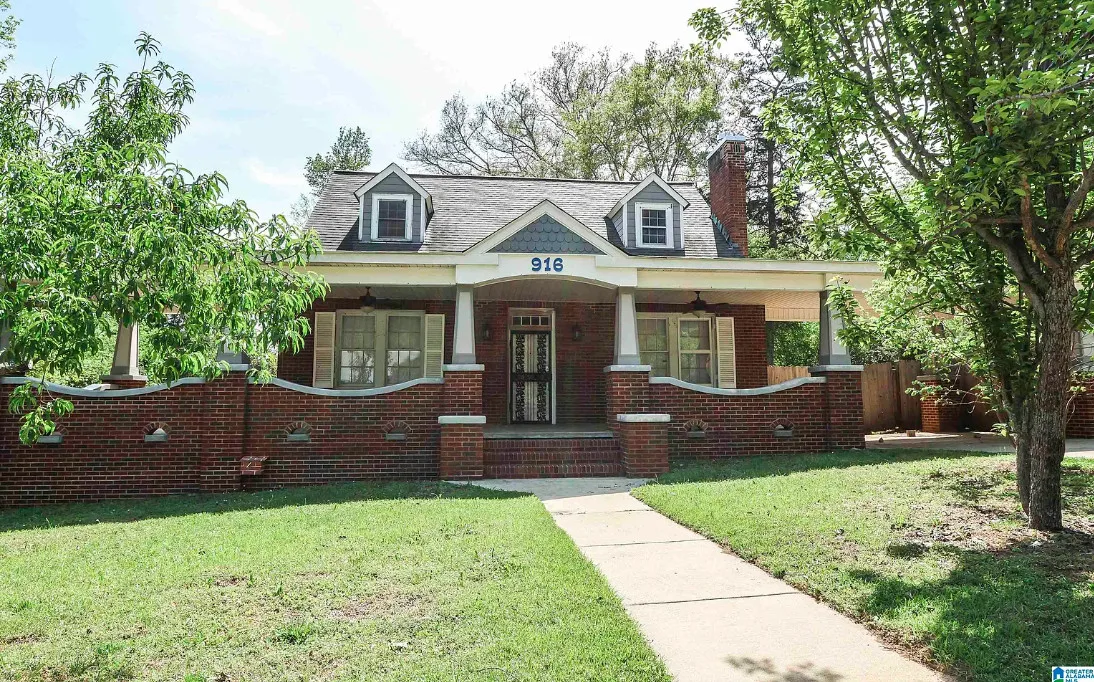
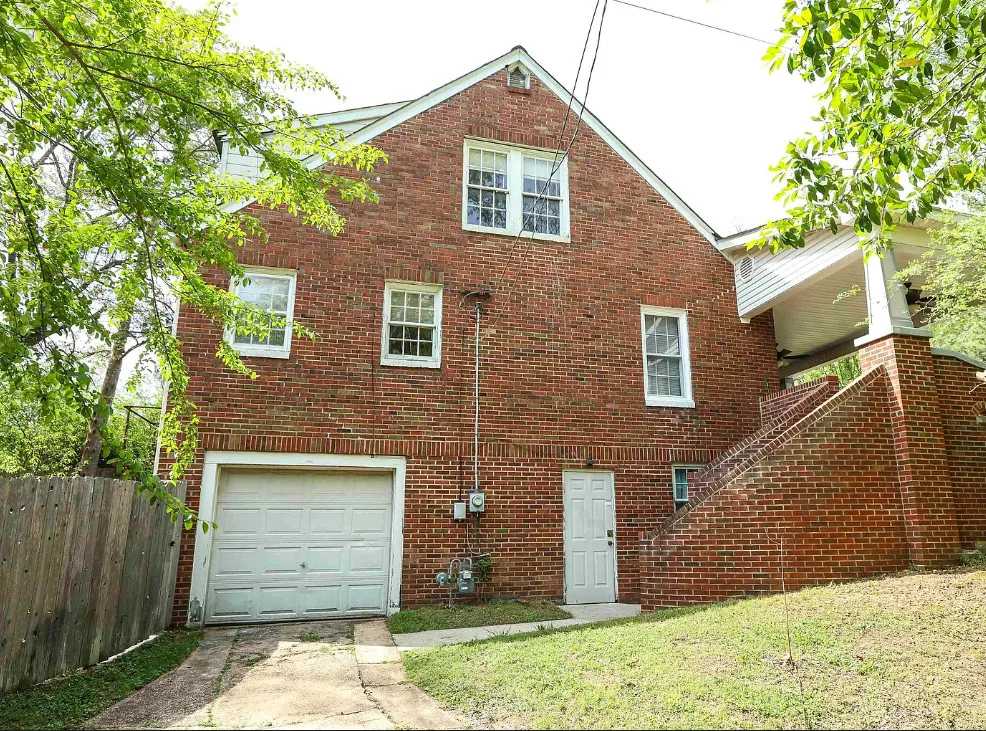
That is this house. Three bedrooms, three bathrooms, one thousand nine hundred fifty square feet of full-brick construction on a quiet cul-de-sac in Anniston, Alabama — and the asking price is one hundred thirty-nine thousand nine hundred dollars. That is roughly seventy-two dollars per square foot, in a country where new construction rarely pencils out below one hundred fifty.
The Front Porch Is the Whole Argument
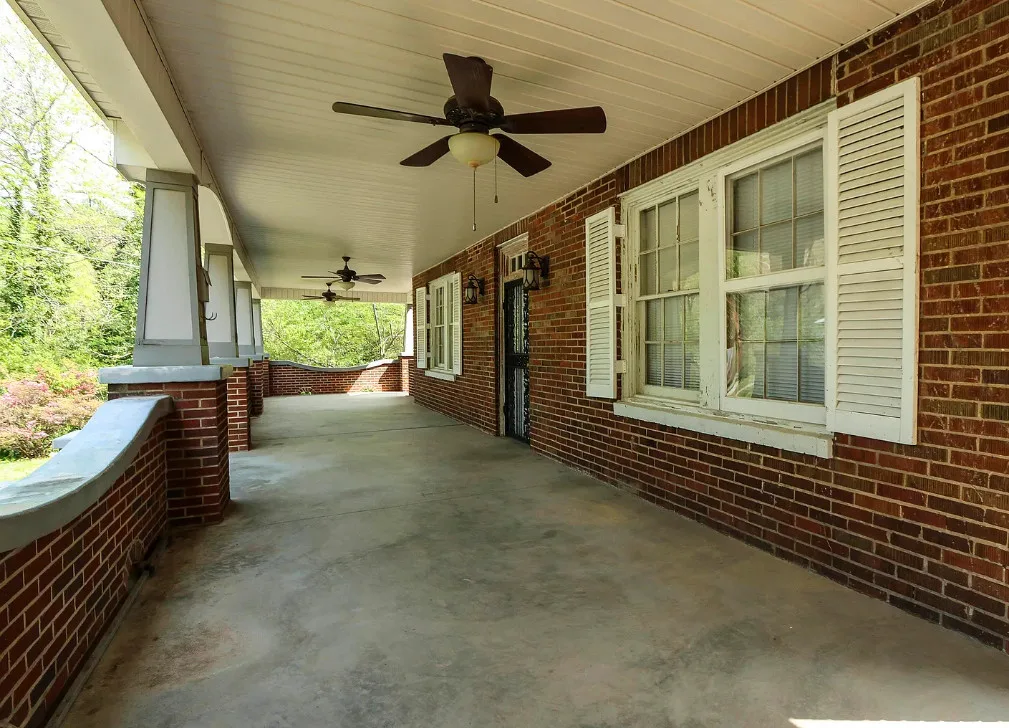
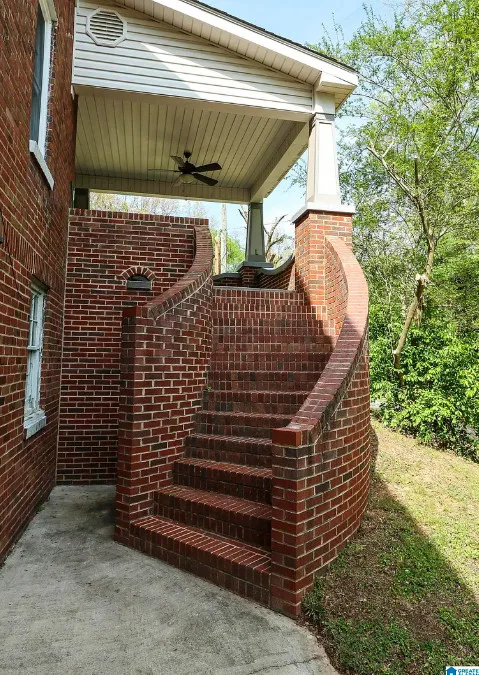
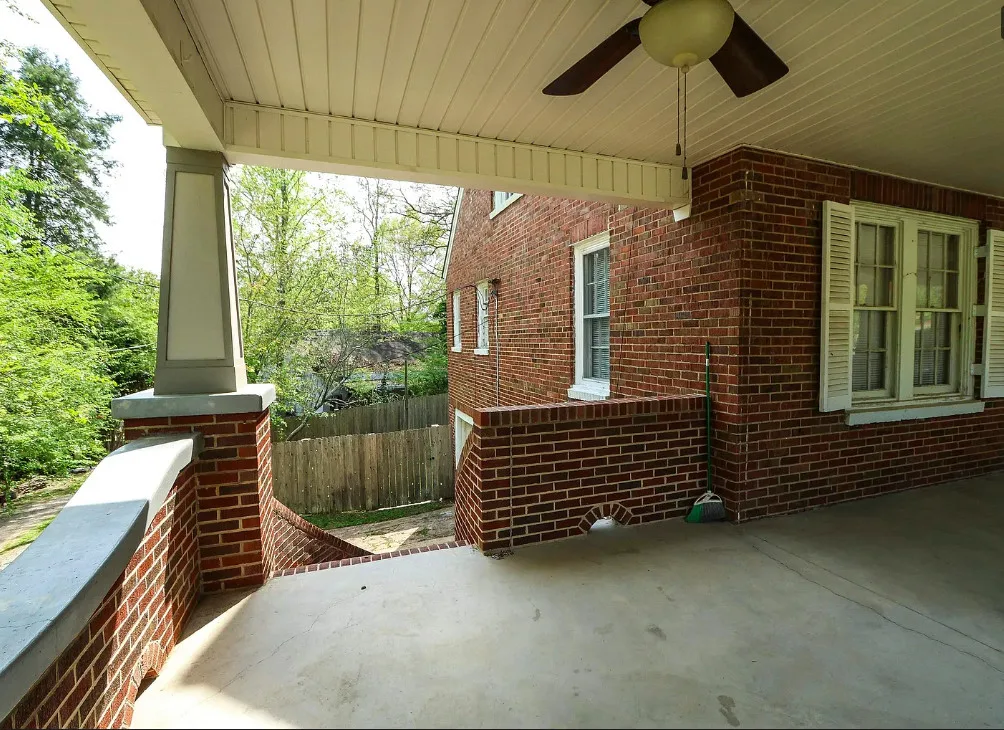
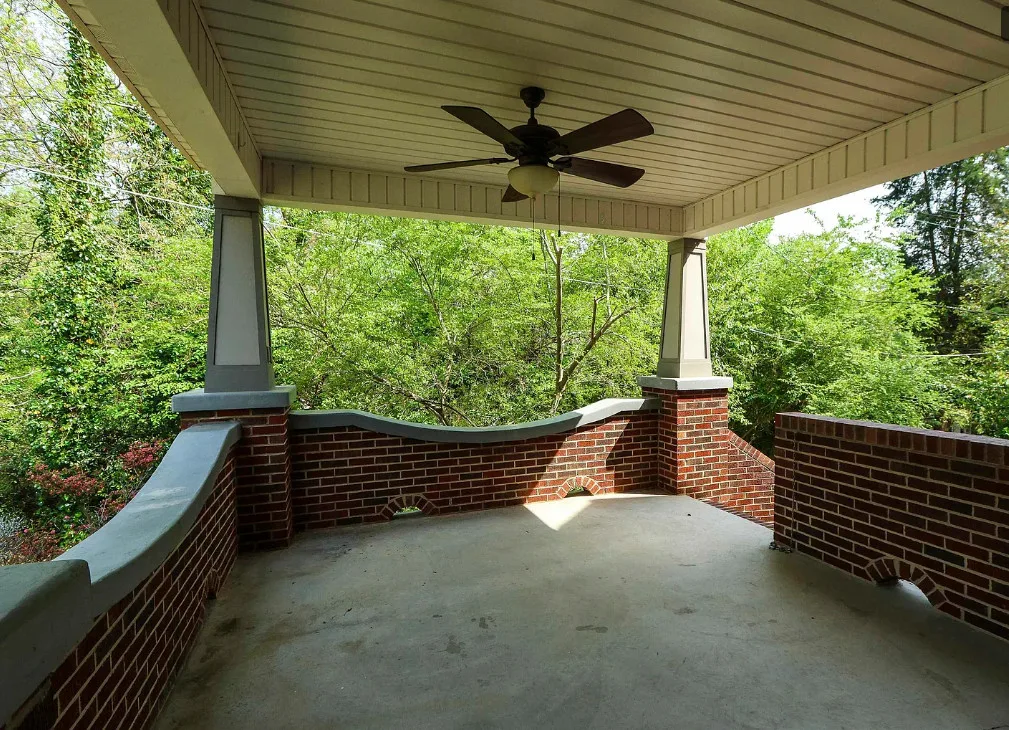
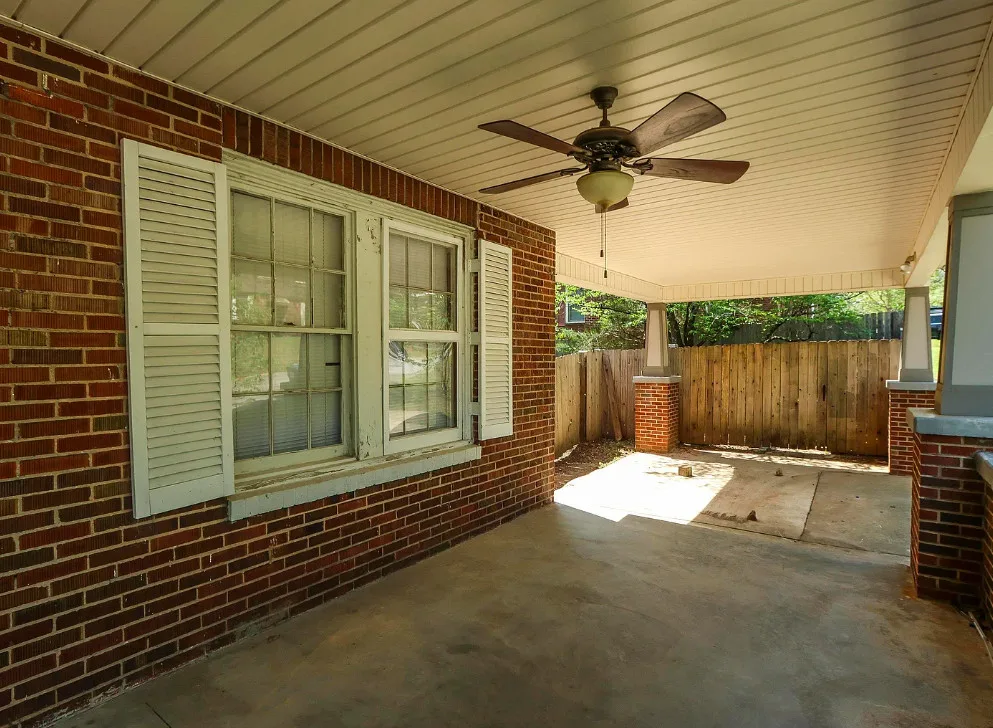
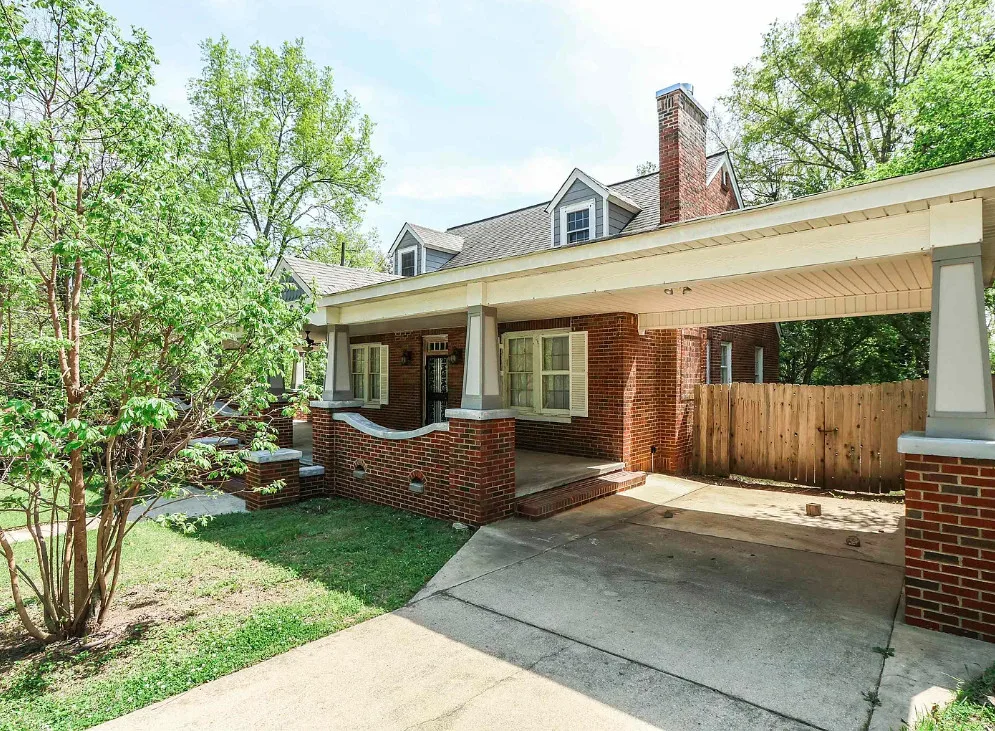
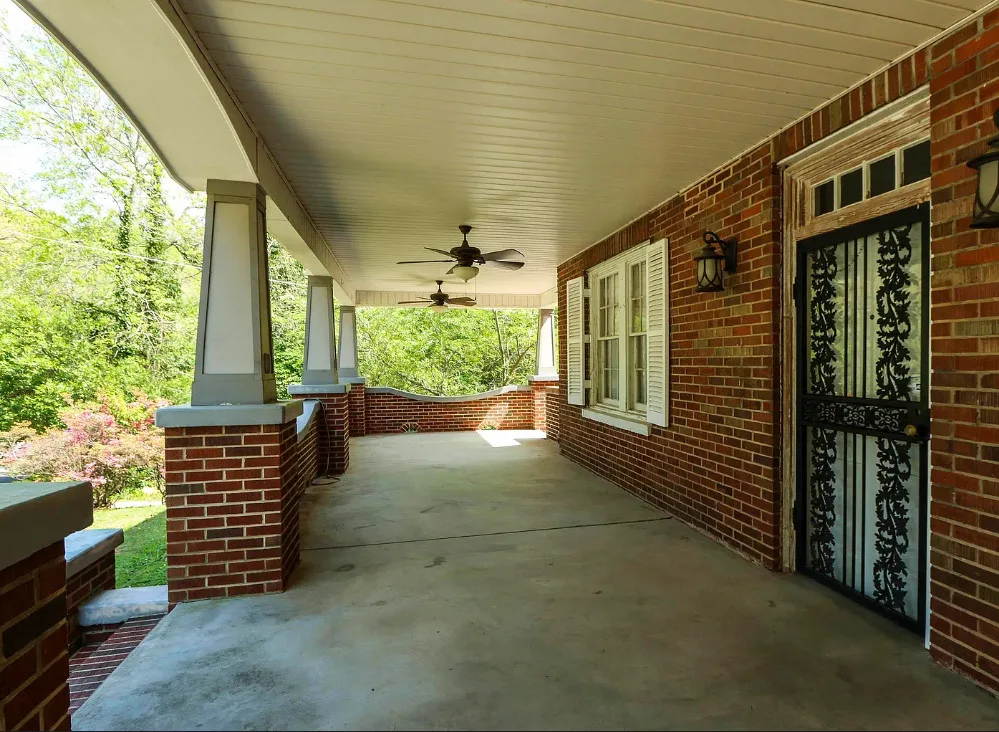
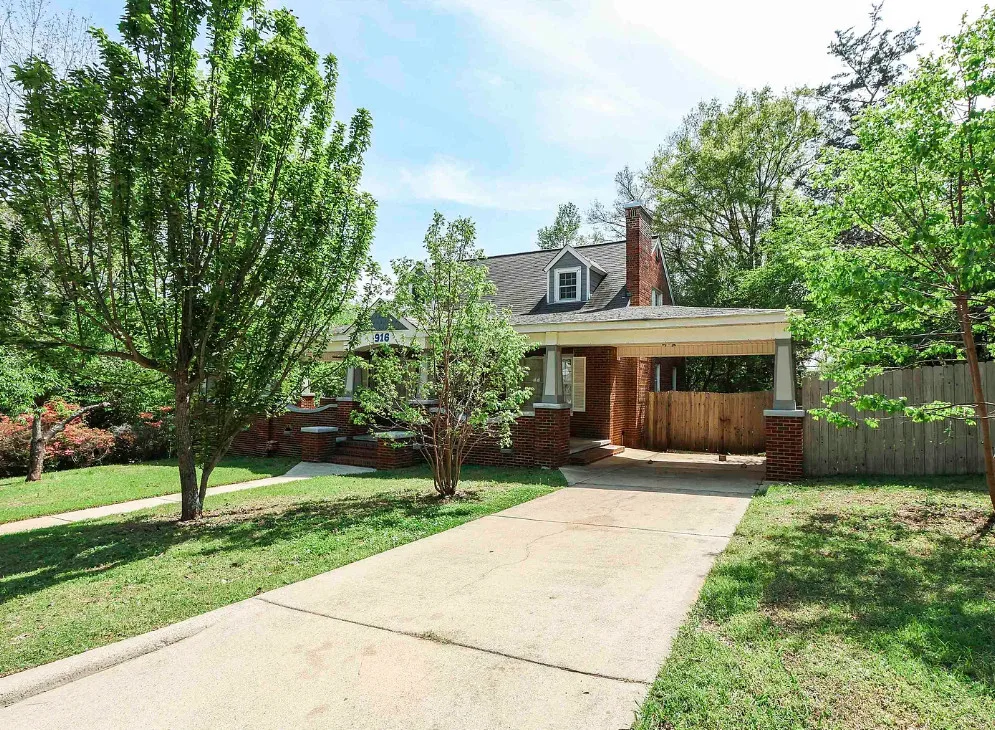
Start outside, because the porch deserves it. This is a large covered front porch of the kind that architects stopped drawing sometime around 1955 and have been apologizing for ever since. It is deep enough for real furniture, shaded enough to sit through an Alabama afternoon, and positioned on a cul-de-sac street with no through traffic.
That last detail matters more than people expect. A cul-de-sac means the only cars passing your porch belong to neighbors. It means children can ride bikes. It means the porch actually functions as a room rather than as decoration — morning coffee, evening conversation, thunderstorms watched from a dry chair.
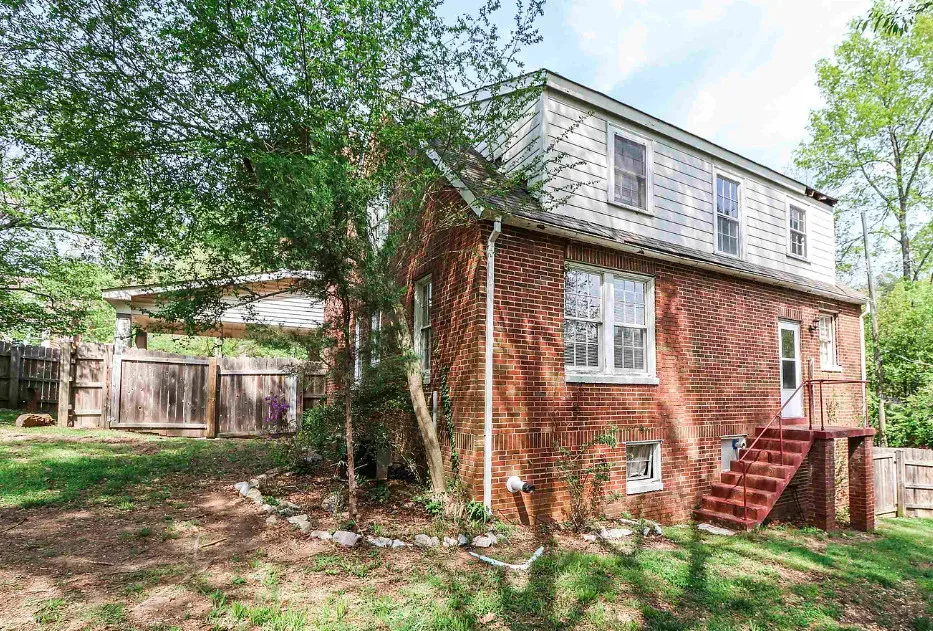
The exterior is full brick. Not brick veneer on the front with vinyl wrapped around the sides, but genuine full brick construction from an era when that was simply how houses were built. Full brick means minimal exterior maintenance, excellent thermal mass that moderates temperature swings, and superior resistance to wind-driven debris — a meaningful consideration in Alabama.
Inside: The Details That Cost a Fortune to Replicate
The interior is where this house earns its price. The listing reads like an inventory of everything modern builders have quietly deleted from the plans:
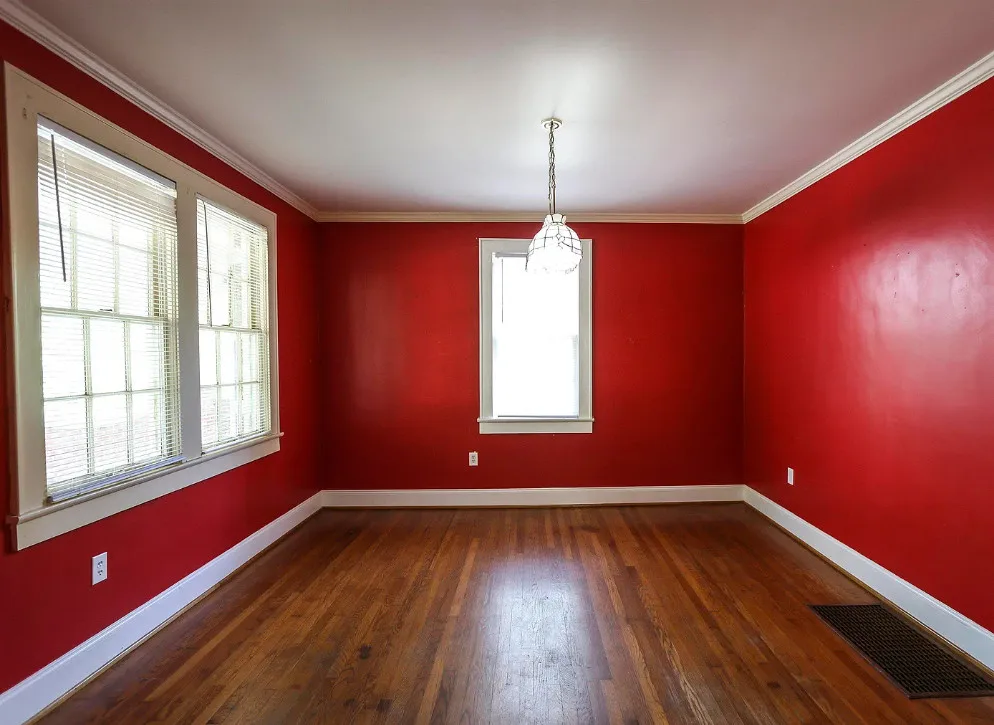
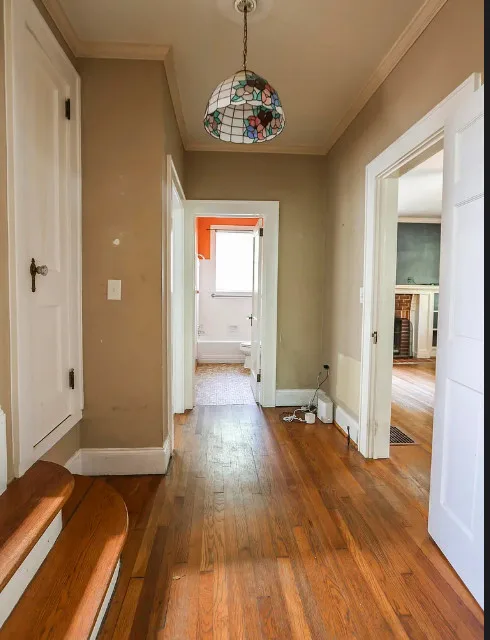
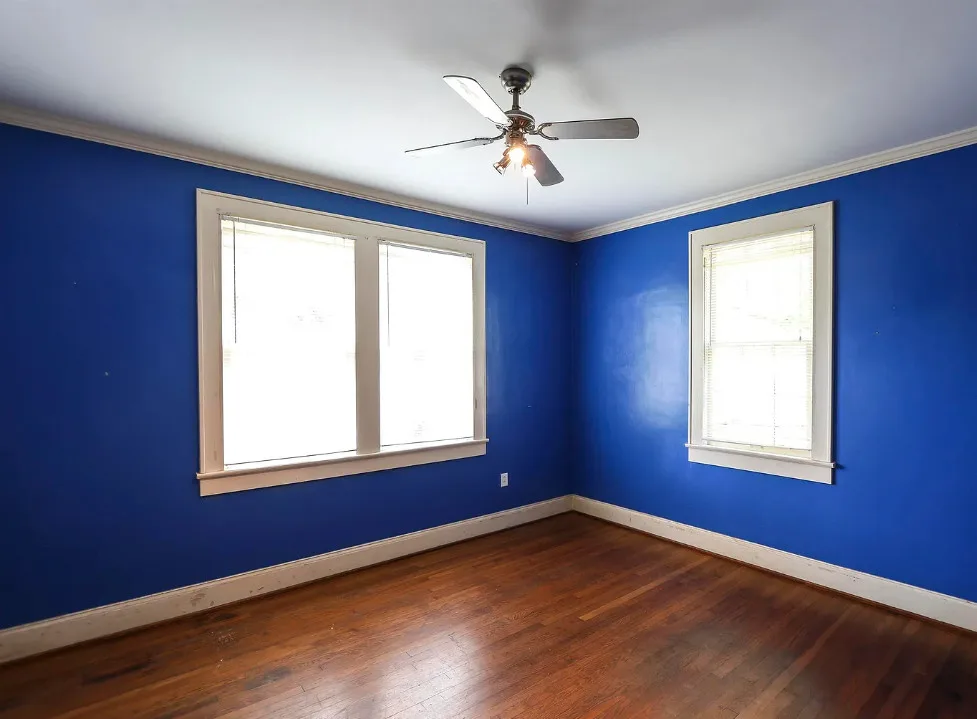
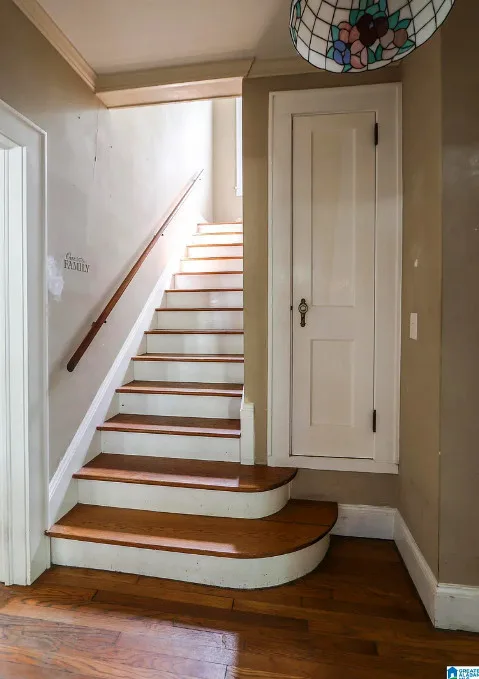
- Original hardwood floors running throughout the home
- Original baseboards and crown moulding
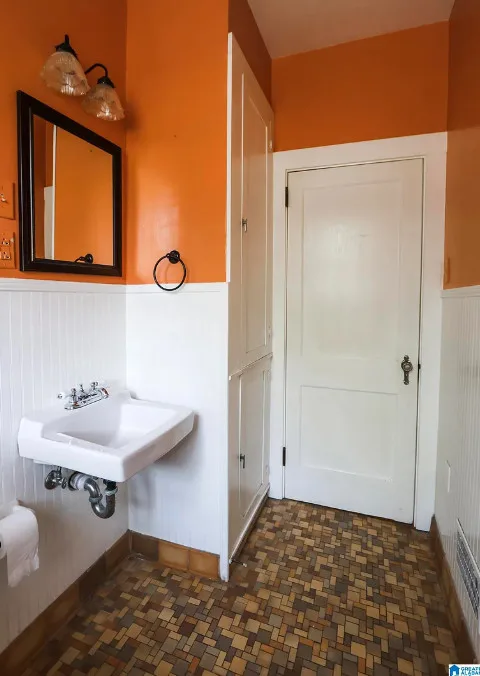
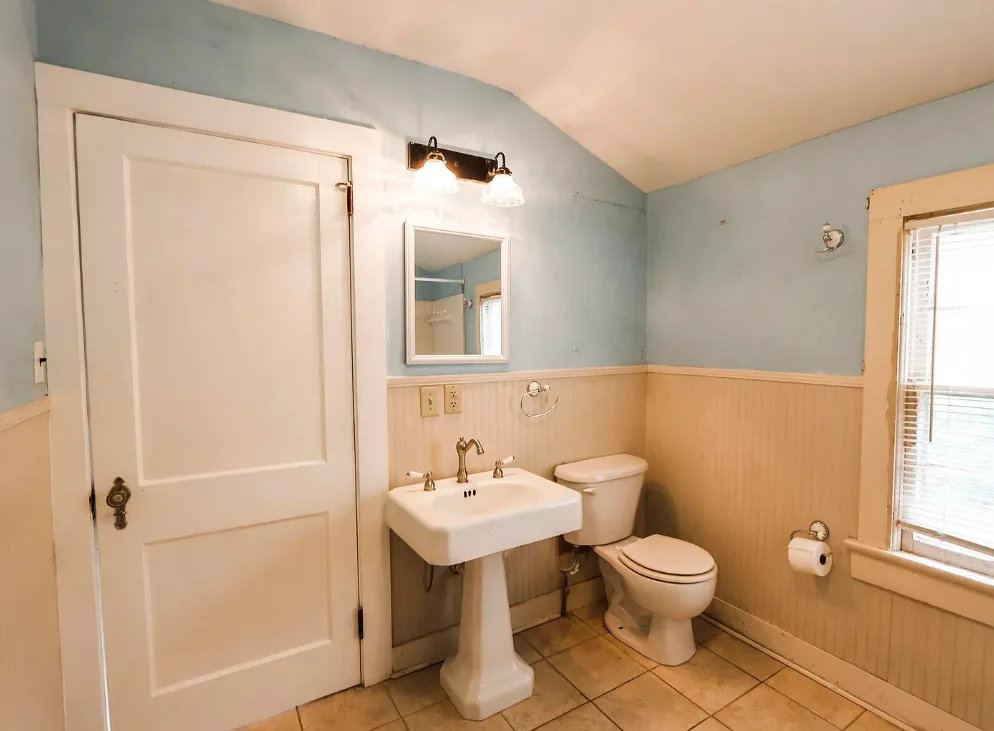
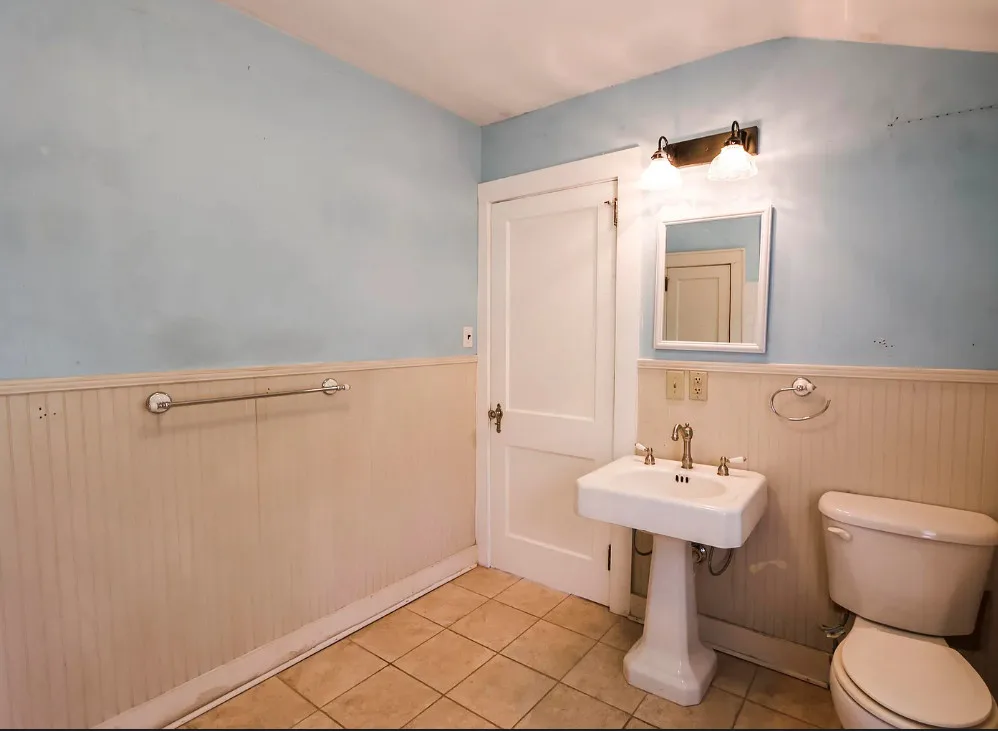
- Wainscoting
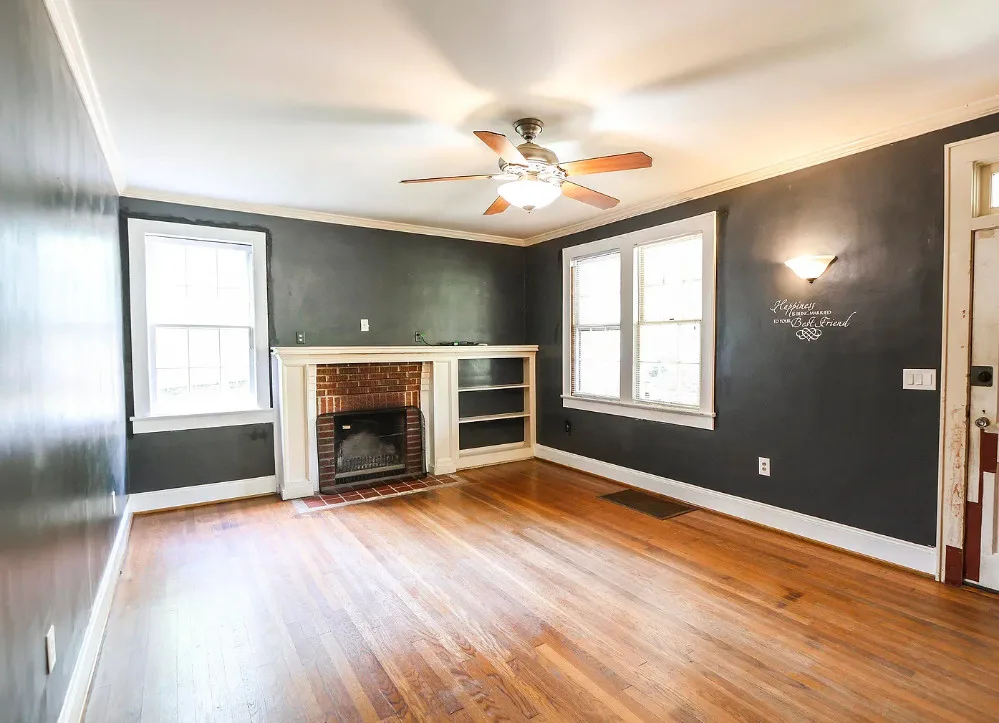
- A functioning wood-burning fireplace with a brick surround in the living room
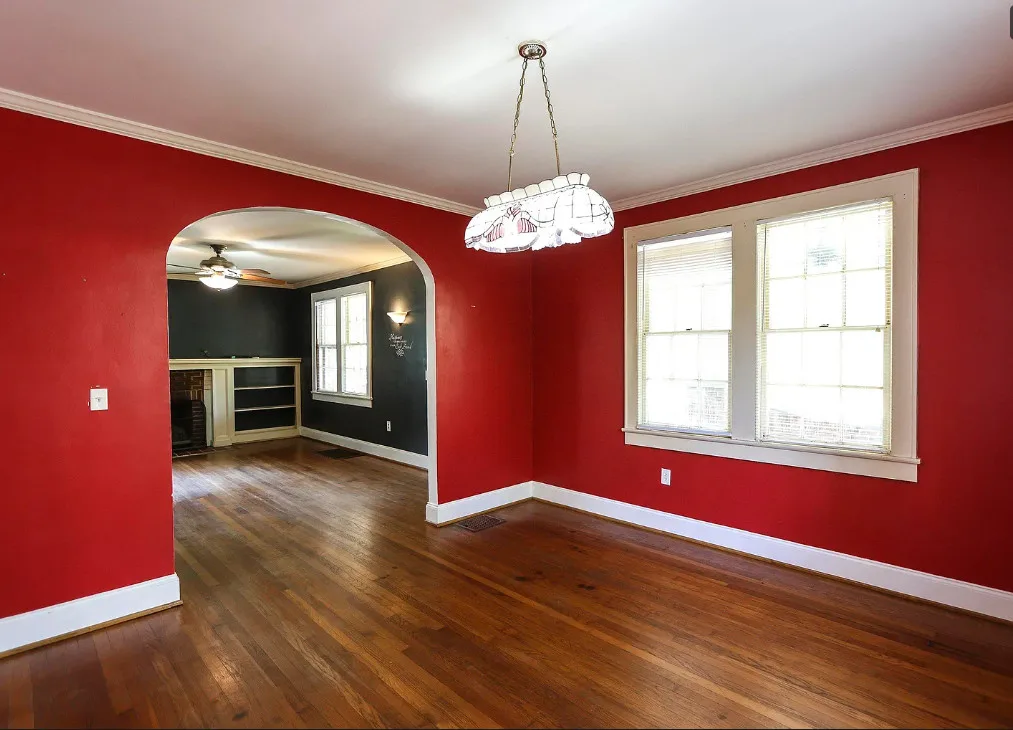
- An arched opening connecting the dining and living rooms
- Original glass doorknobs
- A wooden front door with a transom window above it
- Built-in shelving
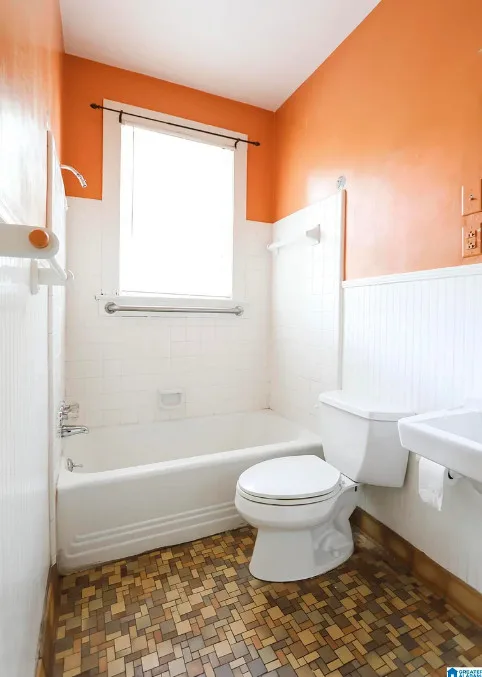
- Tile floors in the full bathrooms
Consider what it would cost to add these to a new build today. Millwork of this profile depth is custom-order. Real wainscoting is a carpentry line item, not a catalog selection. A functioning masonry fireplace with a proper flue runs well into five figures. Solid hardwood flooring throughout, rather than engineered plank or luxury vinyl, is a premium upgrade on every builder spec sheet in America.
Here, all of it came with the house — and it has already survived ninety-plus years, which is the most honest durability test that exists.
The Kitchen and Its Vintage Sink
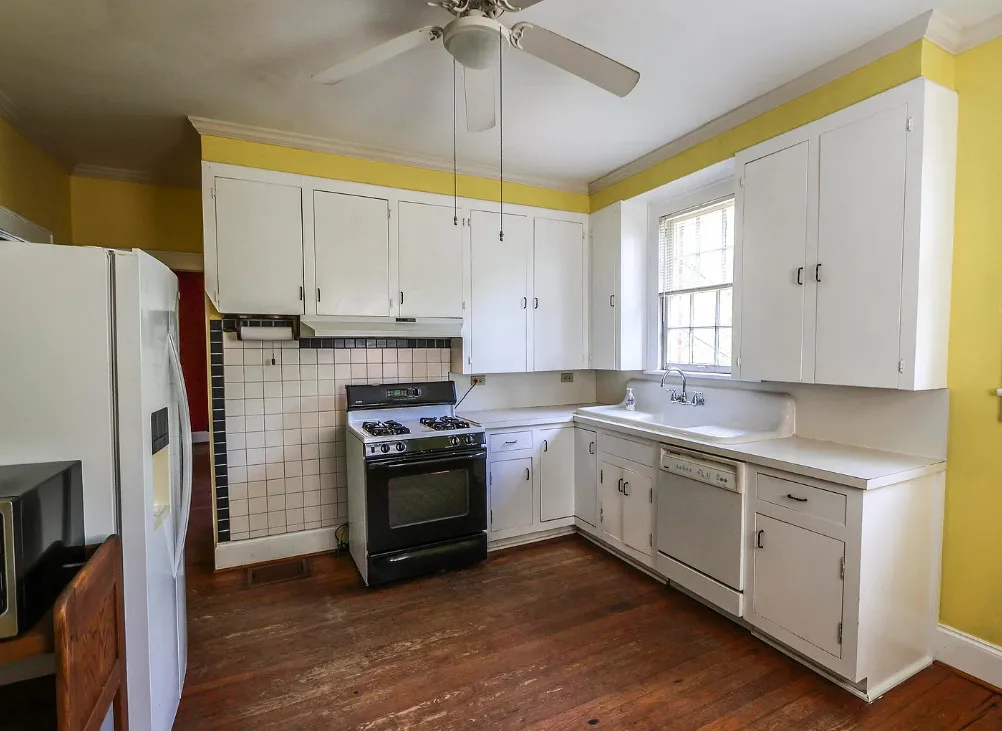
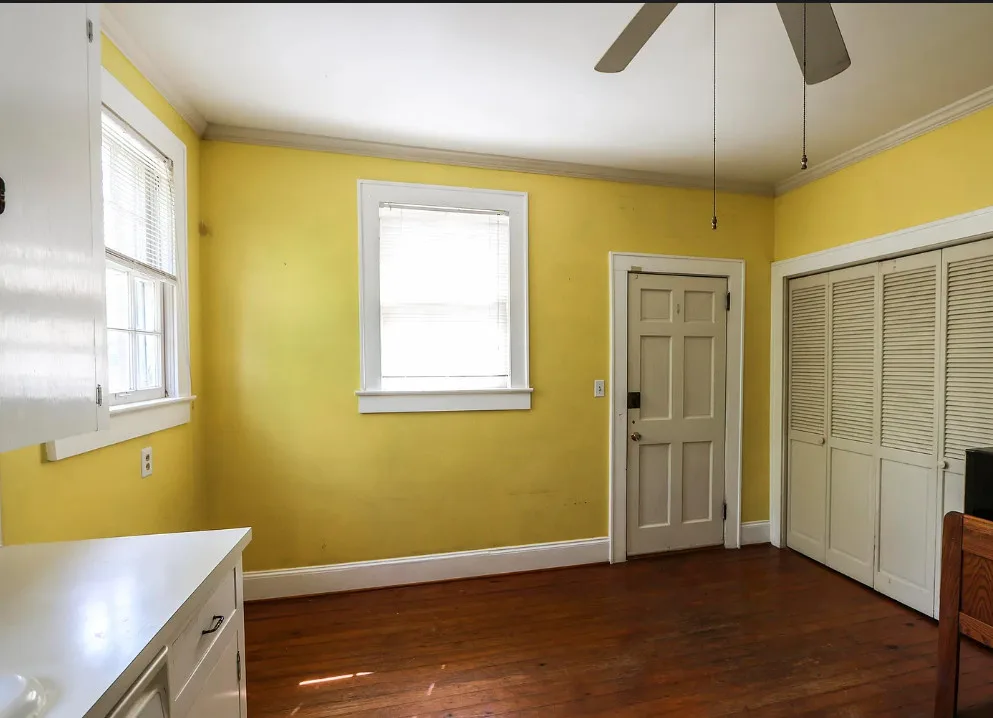
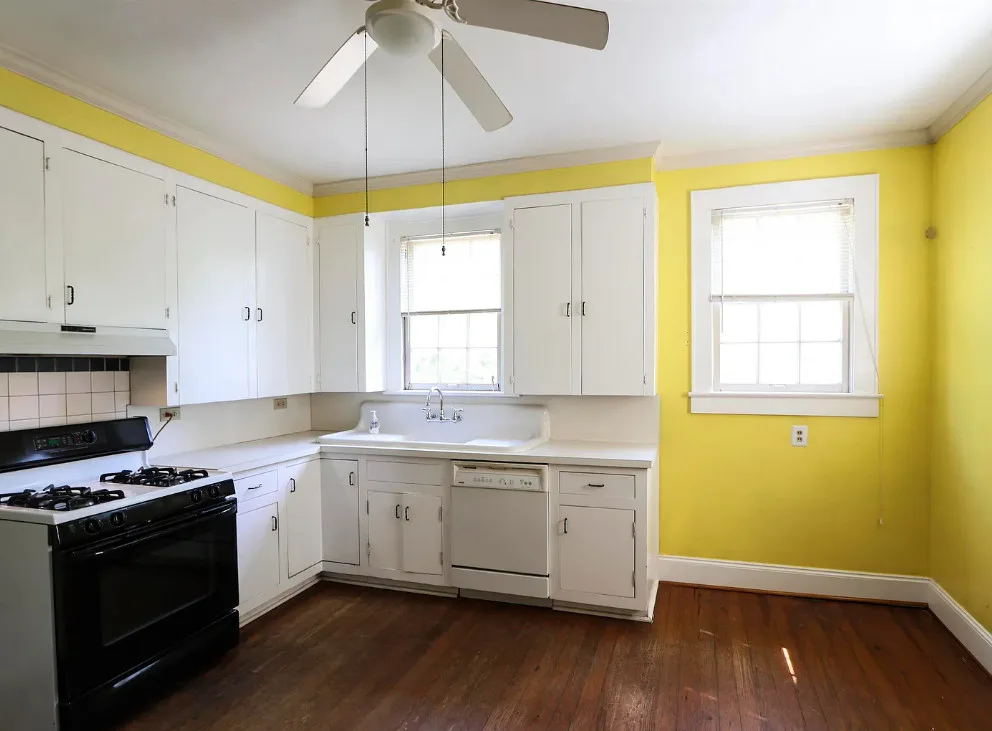
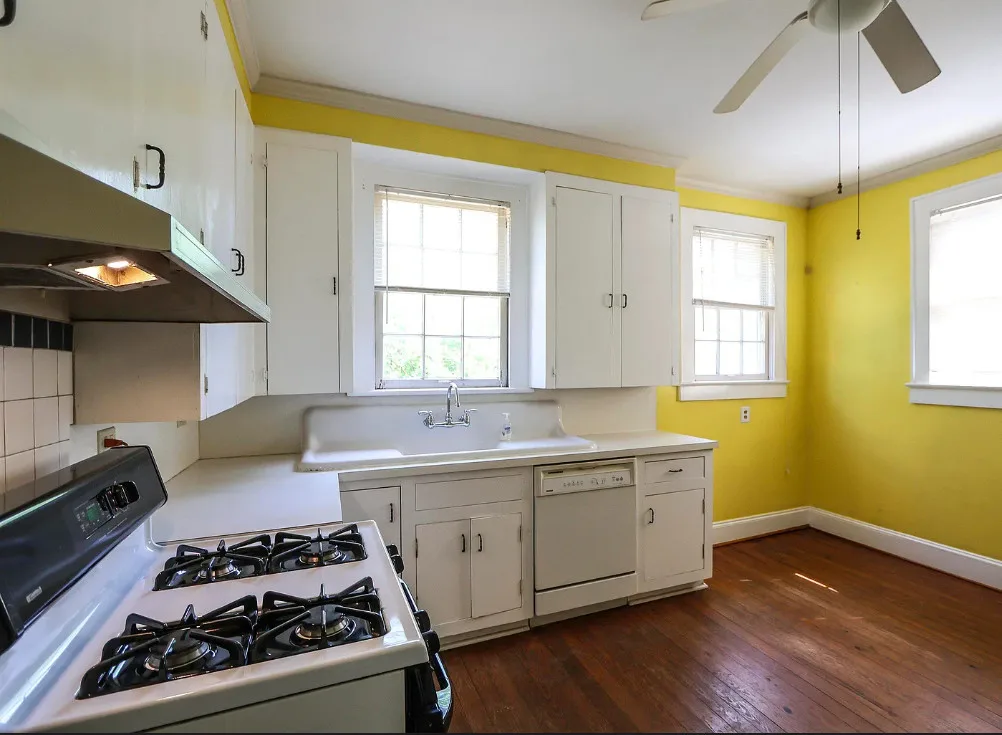
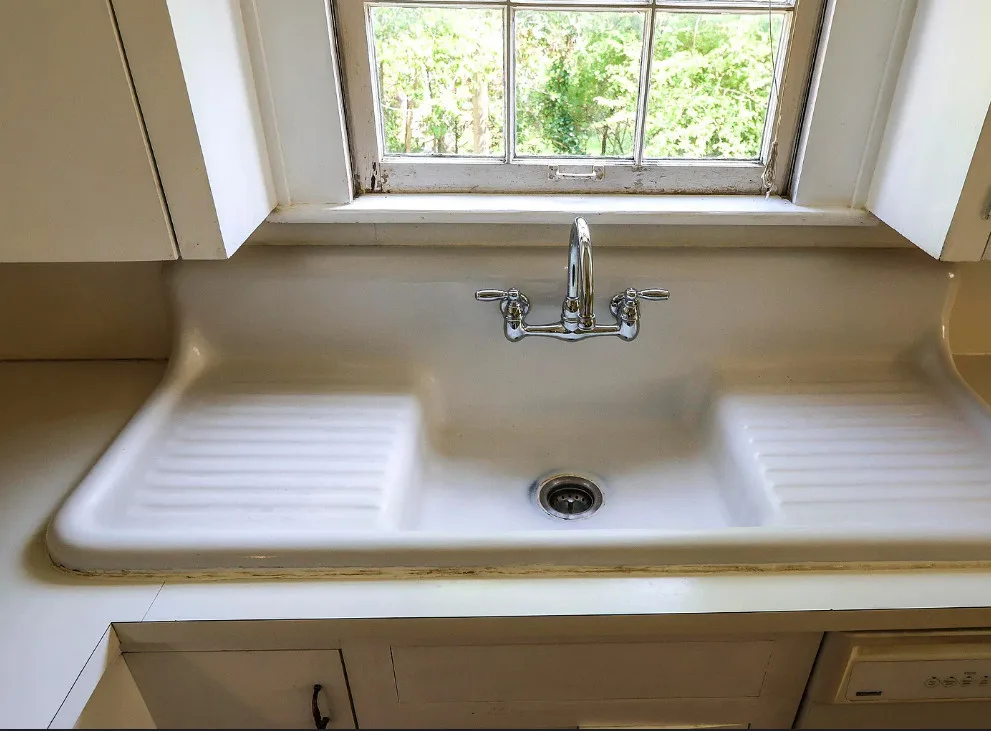
The kitchen is described as light-filled, with a vintage sink that is clearly the emotional centerpiece of the room. Original farmhouse-style and drainboard sinks from this era were cast iron with baked porcelain enamel, and they are genuinely superior to most modern equivalents in weight, depth, and sound dampening. Collectors pay serious money for them at architectural salvage yards.
If the kitchen otherwise needs updating, that is the easiest and highest-return project in the entire house. Cabinet refinishing, new counters, and updated lighting can transform the space while keeping the sink exactly where it belongs.
What Actually Needs Doing
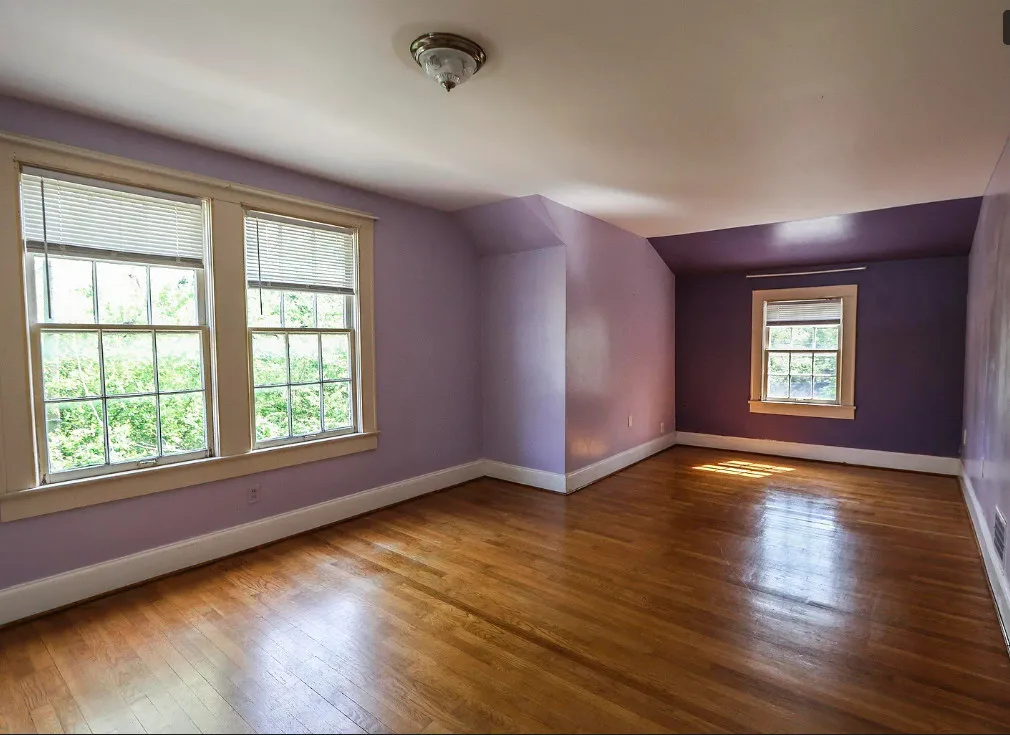
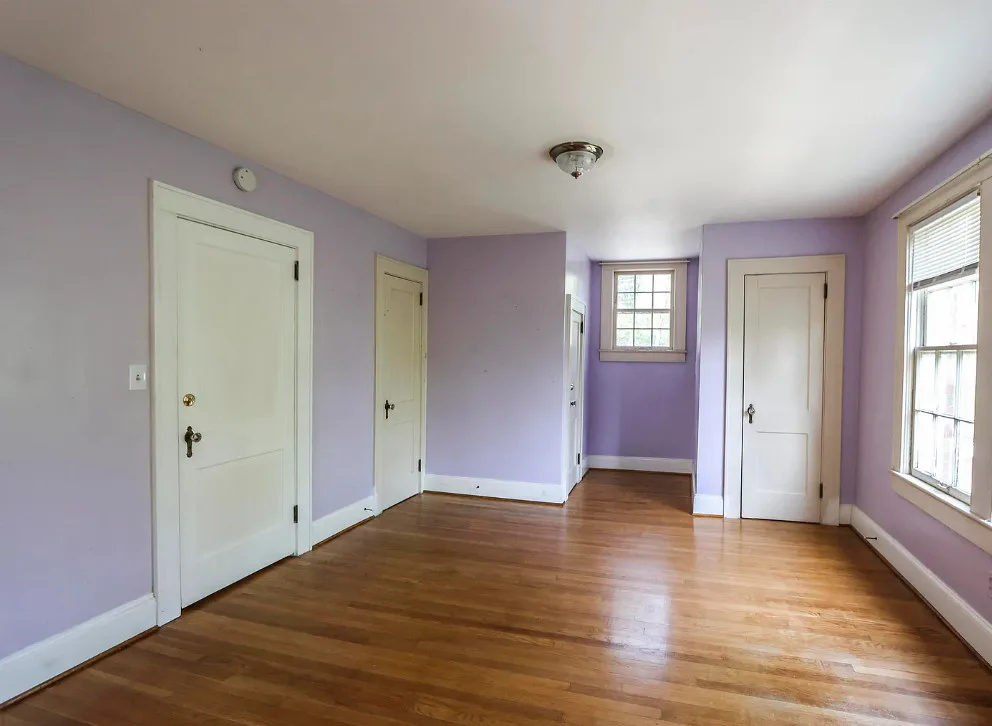
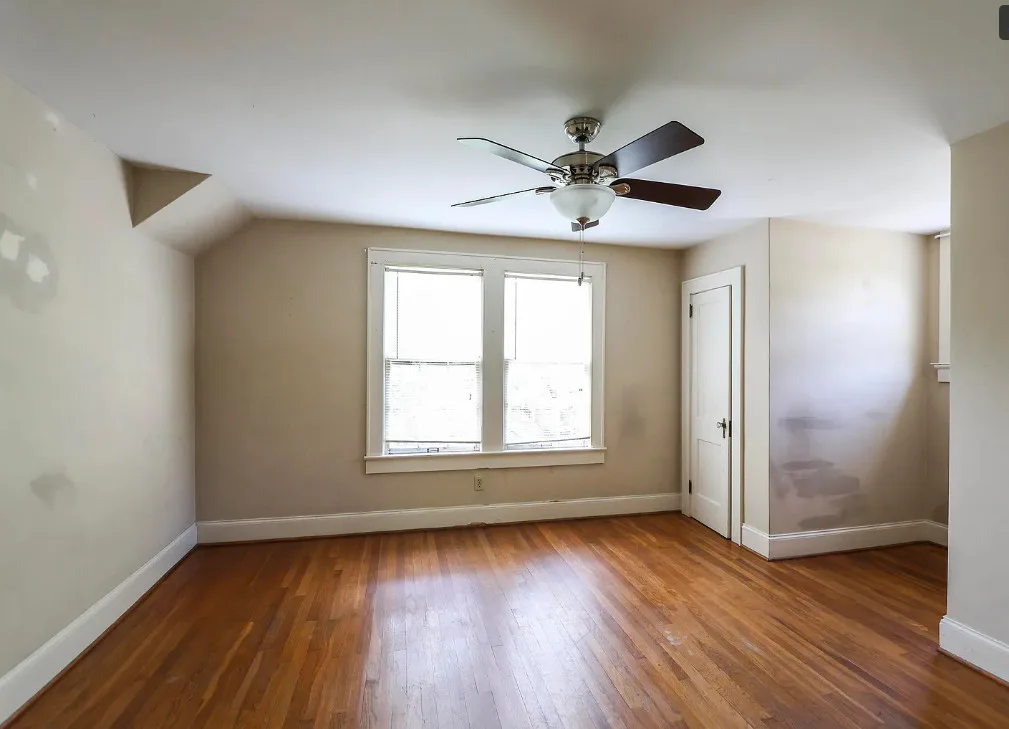
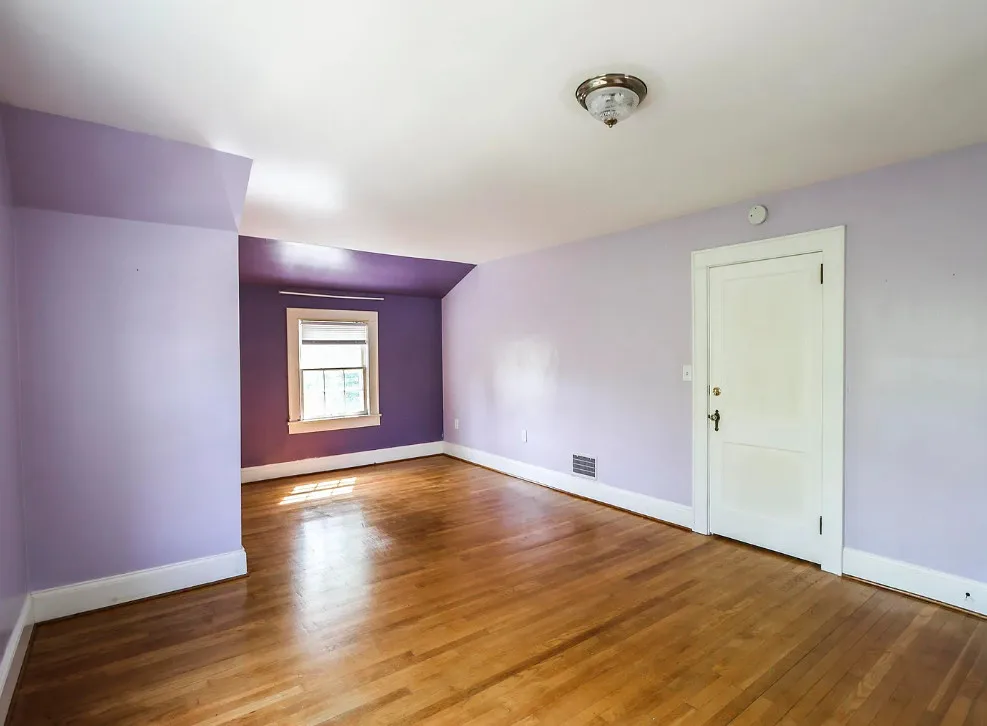
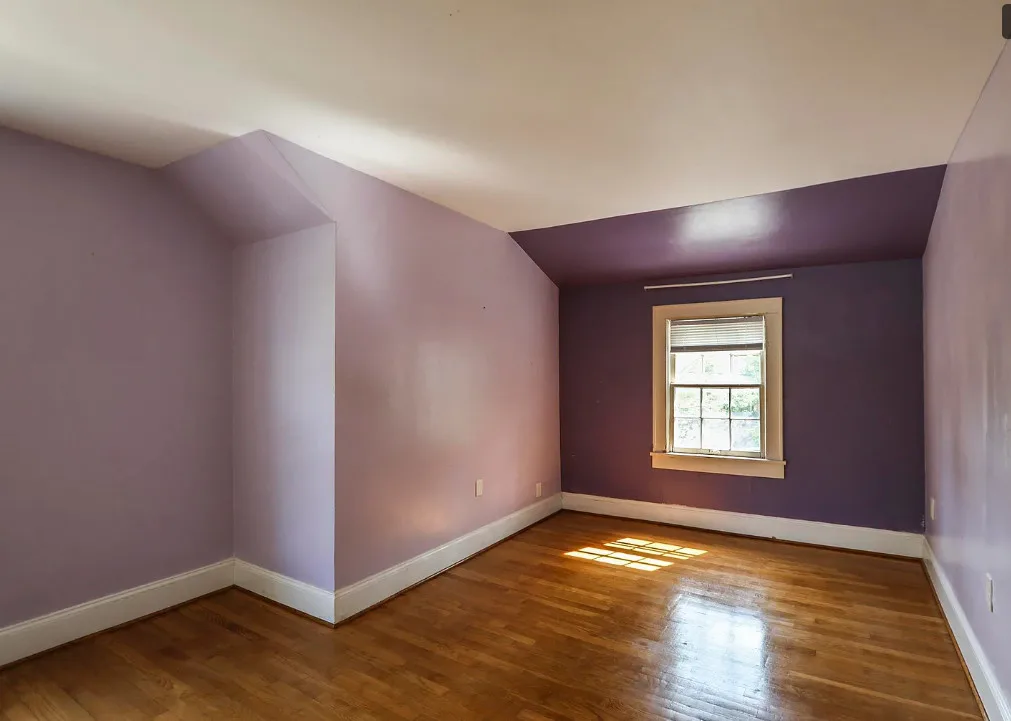
Honestly? Paint. The bones, the floors, the trim, and the systems are in place. Paint colors are personal and reversible, which puts this property in the most desirable renovation category there is: cosmetic work that a motivated buyer can complete over weekends with a roller and a ladder, rather than structural work that requires permits, contractors, and a construction loan.
The Basement, the Garage, and the Bonus Space
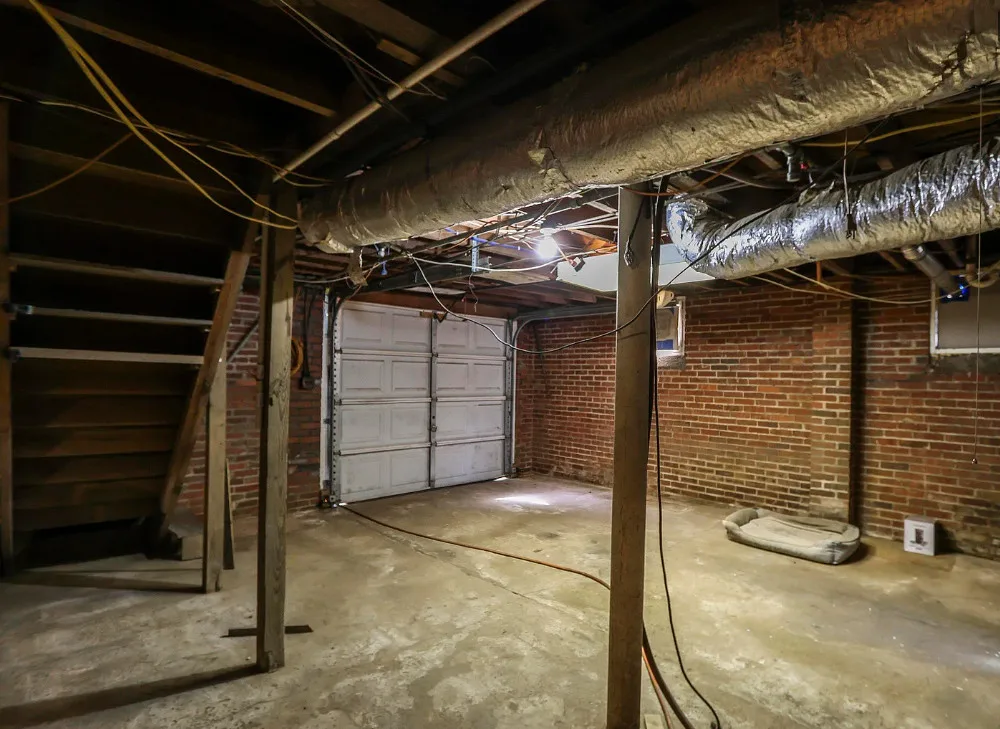
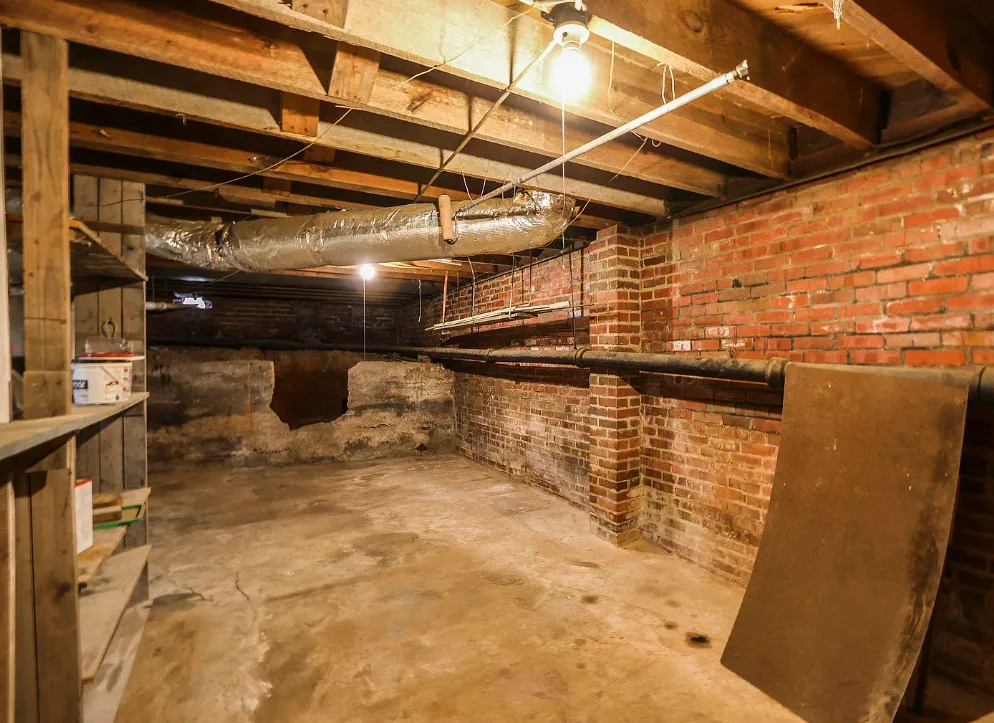
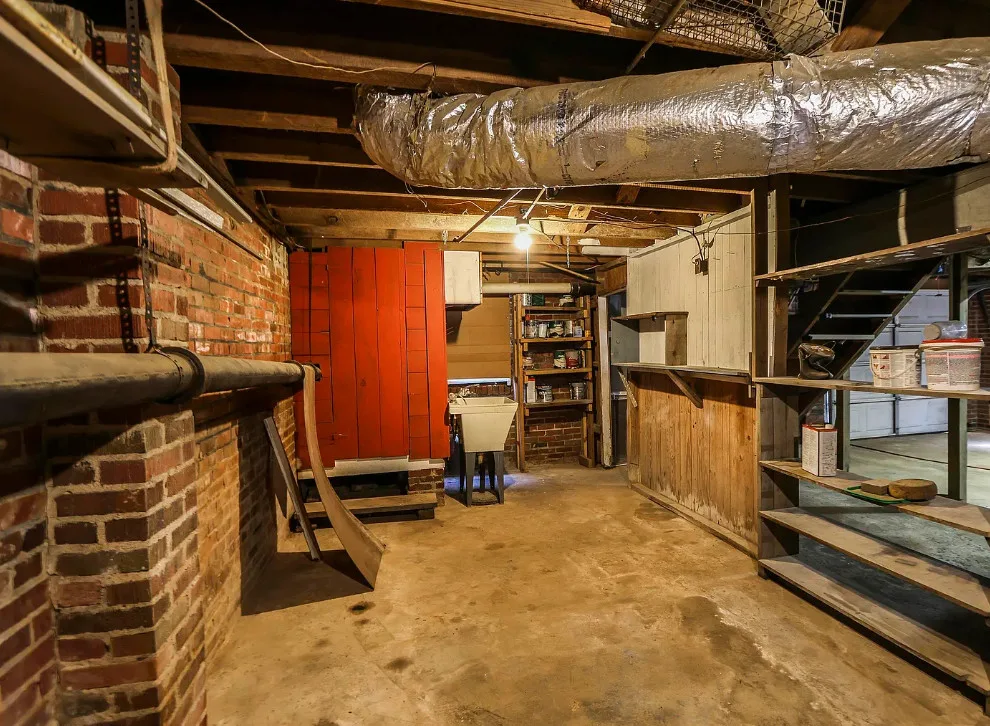
The home includes a large unfinished basement with an attached garage accessed through a powered garage door. The basement also contains a half bathroom, which is an unusually practical feature that opens up real possibilities.
Unfinished basement square footage is typically the cheapest expandable space a homeowner will ever own. Because the shell, the roof, and the foundation already exist, finishing costs run dramatically below new-construction costs per square foot. With a half bath already plumbed, buyers could realistically develop:
- A full workshop with room for stationary tools
- A home gym
- A recreation or media room
- A home office separated from the living areas
- Substantial dry storage
The home also features a tankless gas water heater, meaning a previous owner already handled one of the more expensive mechanical upgrades. Tankless units deliver continuous hot water, occupy far less space than a conventional tank, and typically last roughly twice as long.
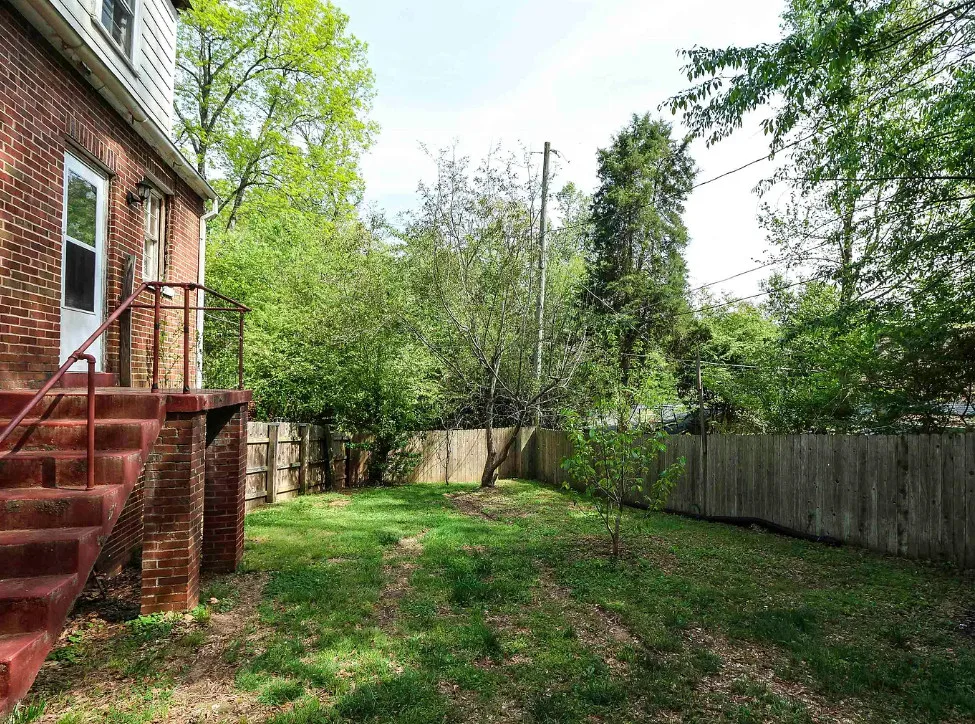
Out back, a six-foot privacy fence encloses the yard. Combined with the cul-de-sac location, the result is genuine privacy without acreage — good for dogs, children, gardens, or simply sitting outside without an audience.
Why Anniston Deserves a Look
Anniston sits in Calhoun County, in northeast Alabama along the Interstate 20 corridor between Birmingham and Atlanta. It is a city with real architectural history — the surrounding neighborhoods contain some of the most intact early-twentieth-century housing stock in the state.
What makes the location work practically:
- Roughly an hour’s drive to Birmingham for employment, medical care, and airport access
- Reasonable weekend distance to Atlanta
- Cheaha State Park and the Talladega National Forest nearby, including the highest point in Alabama
- The Chief Ladiga Trail, a paved rail-trail popular with cyclists
- The Anniston Museum of Natural History and the Berman Museum
For remote workers, retirees, or anyone priced out of larger metros, this combination of outdoor access, low cost of living, and historic housing is exactly the trade an increasing number of buyers are making deliberately.
What It Costs to Own
Property Taxes
Alabama has among the lowest effective property tax rates in the United States. Owner-occupied residential property is assessed at a fraction of appraised value, and the state homestead exemption reduces the taxable base further for primary residences. Buyers should file for the homestead exemption promptly after closing, since it is not always applied automatically and the savings compound every year you own the home.
Homeowners Insurance
Alabama sits within the broader severe-weather corridor, and wind and hail claims drive premiums across the state. Full brick construction generally works in your favor with underwriters. When gathering quotes, ask specifically about:
- The separate wind and hail deductible, which is often a percentage of dwelling coverage rather than a flat dollar amount
- Whether the policy pays replacement cost or actual cash value on the roof
- Ordinance and law coverage, which pays to bring rebuilt portions up to current code — critical on a home built in 1930
- Documentation of the electrical system age, since carriers price older wiring aggressively
- Water backup and service line endorsements, both inexpensive and highly relevant with a basement and century-old sewer connections
Estimated Monthly Payment
At this price point, the monthly cost including principal, interest, taxes, and insurance lands well below what a comparable rental would command in most markets. Because mortgage rates move constantly, compare written quotes from at least three lenders and evaluate annual percentage rate rather than the advertised rate — origination charges and discount points can shift the true cost by thousands over the life of the loan.
Financing Options Worth Comparing
A home in this condition and price range opens nearly every financing door available:
- FHA financing, with a low down payment threshold and flexible credit requirements, provided the property clears minimum condition standards on appraisal
- VA financing for eligible veterans and service members, with no down payment required — particularly relevant in a community with deep military ties
- USDA financing, worth checking against eligibility maps for surrounding areas, which allows zero down for qualifying buyers within income limits
- Conventional financing for buyers with strong credit who want to avoid FHA mortgage insurance premiums
- An FHA 203k or Fannie Mae HomeStyle renovation loan, which rolls the purchase price and a renovation budget into one mortgage — ideal for finishing the basement or updating the kitchen from day one
- A HELOC after closing, tapping equity for improvements at rates typically far below unsecured credit
The Inspection Checklist for a 1930 Home
- Full electrical evaluation, checking for remaining knob-and-tube or cloth-insulated wiring and confirming panel capacity
- Lead-based paint and asbestos testing, standard for any home built before 1978 — especially relevant if you are planning to sand and repaint
- Sewer line camera scope from the house to the municipal main
- Chimney and flue inspection with a Level Two evaluation before using the wood-burning fireplace
- Basement moisture assessment, including grading, gutters, and downspout discharge
- Foundation, sill plate, and floor framing review
- Roof age and remaining service life
- Window survey, separating restorable originals from failed units
- Termite and wood-destroying organism inspection, which is essential in Alabama
The Bottom Line
Under one hundred forty thousand dollars buys almost nothing in most of the country today. Here it buys a full-brick 1930 home with original hardwoods, crown moulding, wainscoting, a working fireplace, a transom-lit front door, glass doorknobs, a vintage kitchen sink, a tankless water heater, an attached garage, a fenced private yard, and a front porch big enough to actually live on.
The paint is the wrong color. That is a weekend and a hundred dollars. Everything else is the part money genuinely cannot buy anymore.
From the Zillow listing: