Walker’s Mill, Germantown, New York: Inside a Historic Grist Mill Estate in the Hudson Valley
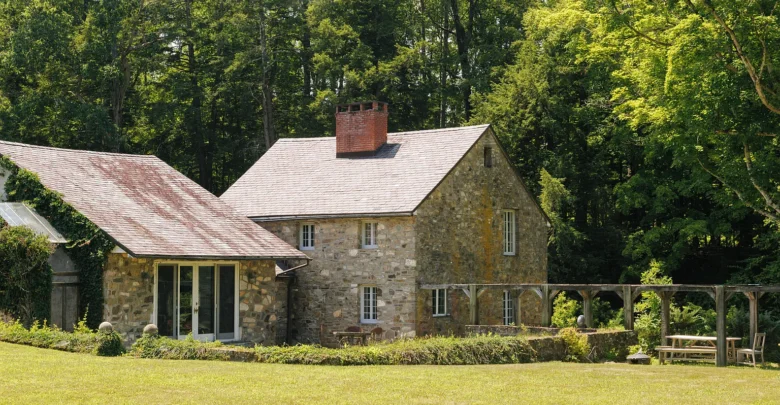
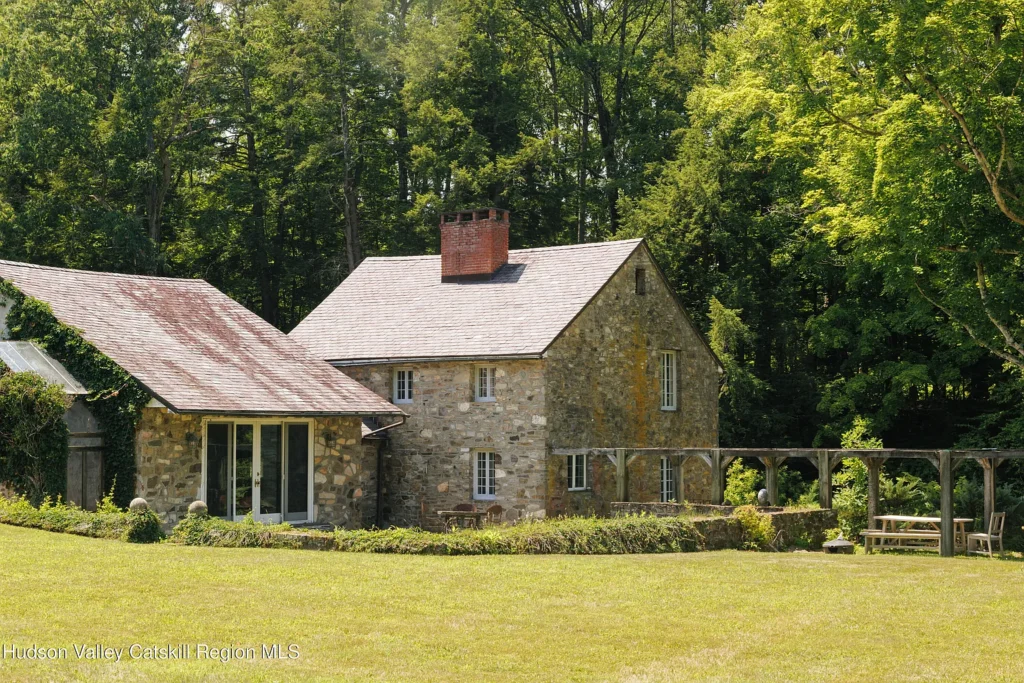
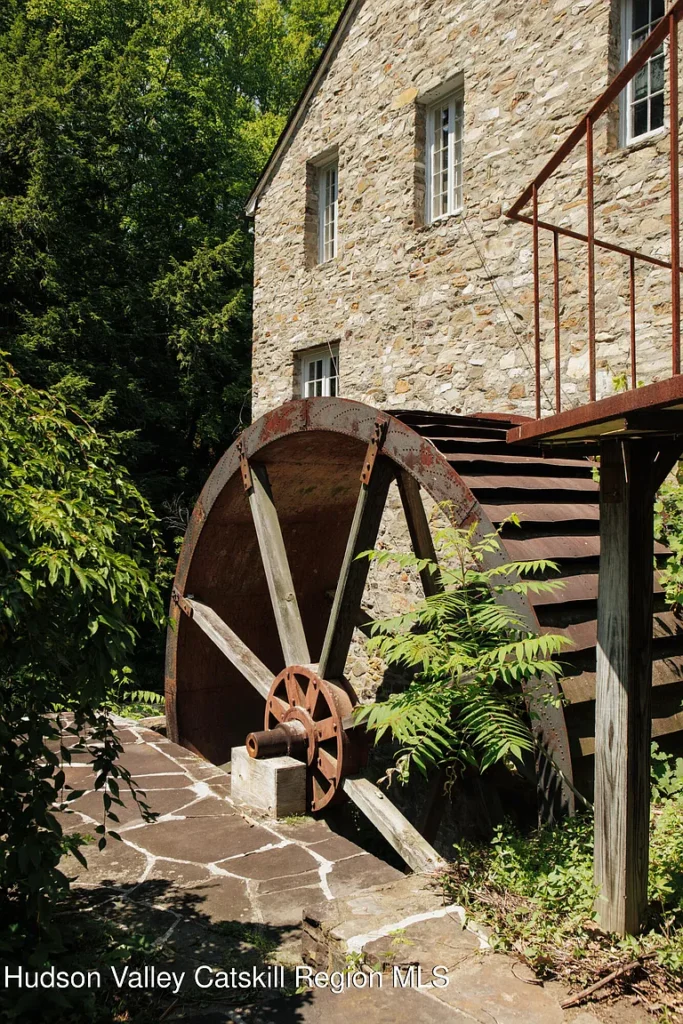
Some properties are houses. A small number are stories. Walker’s Mill in Germantown, New York belongs firmly in the second category. Set in the quiet countryside of Columbia County, this historic estate pairs a beautifully converted former grist mill with a separate barn residence, creating a private two-home compound wrapped in mature woodlands, cascading water and remarkable seclusion. The original waterwheel still stands. The timber framing still carries the marks of the hands that raised it. And the property has already earned its place in design history, having been featured in Architectural Digest.
For buyers drawn to the Hudson Valley, this is the kind of listing that rewires expectations of what a country home can be. But a property this unusual also carries a due diligence profile unlike a conventional purchase. Below is a full walkthrough of the estate, followed by the practical guidance that matters most: financing a historic conversion, insuring a home beside flowing water, understanding New York property taxes and conservation land, and evaluating rental income potential in one of the Northeast’s strongest weekend markets.
A Grist Mill Reborn
Grist mills were the industrial engines of early American settlements. Water drove the wheel, the wheel drove the stones, and the stones fed the region. Walker’s Mill survives from that era, and its conversion into a residence was handled with unusual restraint. Rather than erasing the industrial past, the renovation preserved it.
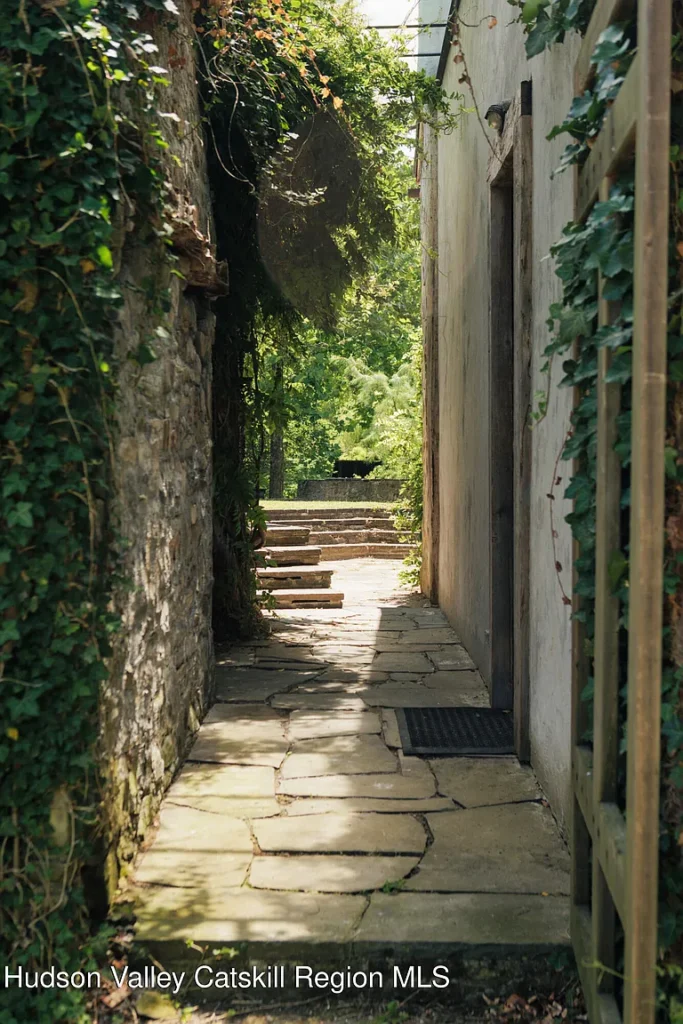
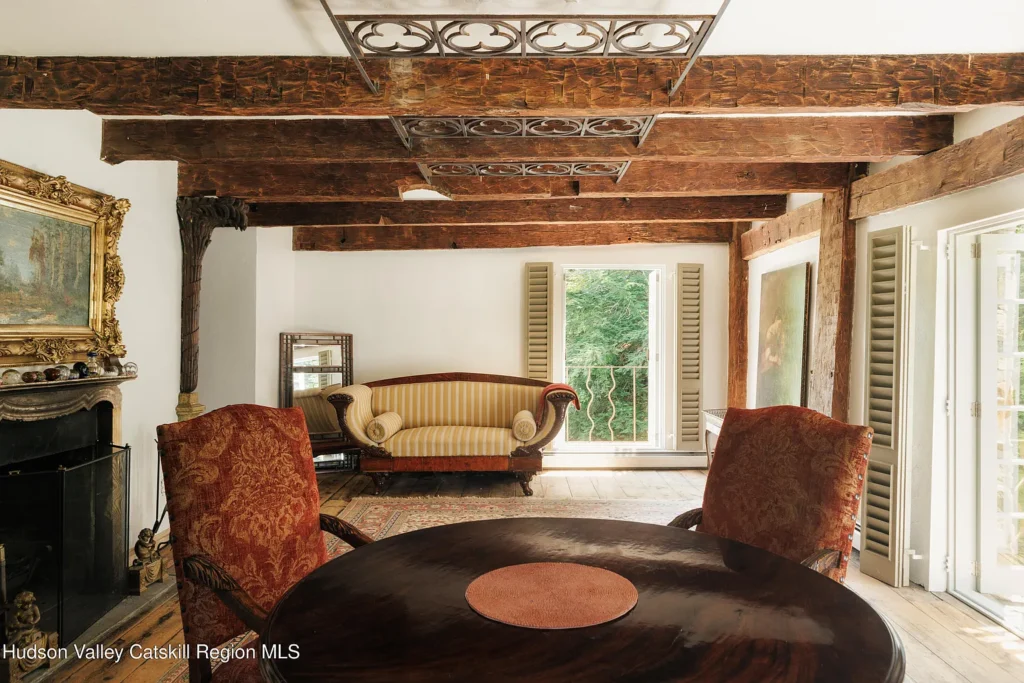
Original timber framing remains exposed throughout, the heavy posts and beams carrying the same loads they were cut for generations ago. Locally gathered fieldstone anchors the structure to its site, the kind of masonry that cannot be replicated at any price today because the craft and the labor economics no longer exist. Reclaimed architectural details layer additional depth, and the historic waterwheel remains as the property’s defining signature.
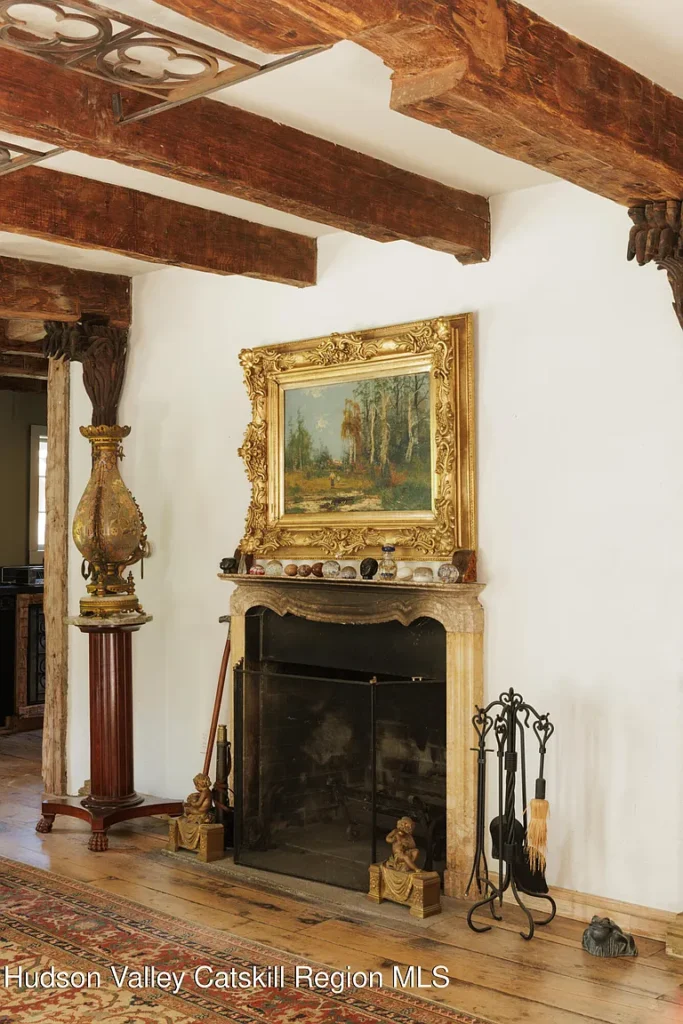
Inside, warm wood interiors and beamed ceilings create the enveloping quality that only old buildings achieve. Fireplaces provide focal points in the main gathering spaces. Large windows bring daylight deep into rooms that were originally built for machinery rather than living, and the contrast between industrial bones and comfortable modern interiors is precisely what makes the conversion successful.
The Barn Residence: A True Two-Home Compound
A separate barn residence sits on the grounds, giving the estate genuine compound functionality. This is not a guest cottage or a converted garage. It is a second full home, which changes the property’s use profile entirely.
Multigenerational families can gather without crowding. Extended visitors get privacy and independence. Owners who work remotely gain a dedicated studio or office building separated from domestic life. And for buyers who intend to offset carrying costs, the second structure creates the option of rental income while the primary residence remains entirely private.
Two-dwelling properties also tend to appraise and resell differently from single-home listings, because the buyer pool includes investors, multigenerational households and creative professionals seeking live-work space. That breadth is an asset in a market where unique properties can otherwise sit.
Water, Woodland and Protected Conservation Land
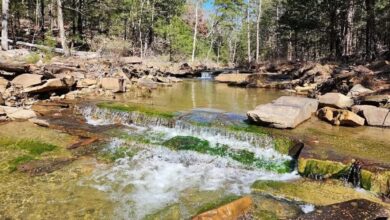
The surrounding landscape is the property’s second great asset. A flowing stream moves through the grounds, feeding waterfall views and the constant, low sound of moving water that mill sites have always enjoyed. Mature woodlands provide a canopy and a sense of enclosure. The result is a setting that feels genuinely removed from the world rather than merely rural.
The expansive grounds adjoin protected conservation land, and this detail deserves more attention than most buyers give it. Adjacency to permanently protected acreage means the views, the quiet and the wildlife corridors surrounding the estate are not subject to future subdivision or development. In a region where land values continue climbing and buildable parcels keep shrinking, protected neighbors function as a permanent buffer that cannot be purchased at any price once it is gone.
Germantown and the Hudson Valley Market
Germantown sits in Columbia County on the eastern bank of the Hudson River, within easy reach of Hudson, Rhinebeck, Tivoli and Red Hook. The area combines working farmland, historic river estates, a serious food and arts culture, and rail access to New York City that keeps weekend demand consistently strong.
Columbia County has been one of the most active rural markets in the Northeast, driven by buyers relocating from the city and by second-home purchasers seeking distance without isolation. Inventory of genuinely distinctive historic properties remains extremely limited, which supports pricing at the top of the market while conventional housing stock experiences more typical cycles.
Financing a Historic Estate: What Lenders Look For
Financing a converted mill with a second residence on acreage is not a routine mortgage transaction, and buyers who understand the differences in advance move through underwriting far more smoothly.
Jumbo Loans and Portfolio Lending
Estate properties in the Hudson Valley routinely exceed conforming loan limits, placing the transaction into jumbo territory. Jumbo underwriting is stricter across the board: higher credit score thresholds, lower debt-to-income ratios, larger cash reserve requirements, and considerably more documentation of income and assets.
Local and regional portfolio lenders are often the strongest option for unusual properties. Because portfolio lenders keep loans on their own books rather than selling them into the secondary market, they retain flexibility to underwrite properties that automated guidelines would reject. Compare offers from at least three sources, including a regional bank or credit union with Columbia County experience alongside national lenders.
The Appraisal Problem on One-of-a-Kind Homes
A converted grist mill with a barn residence, waterfall frontage and conservation adjacency has almost no direct comparable sales. Appraisers must reach for distant or imperfect comps, and the result is frequently a valuation below contract price. Low appraisals are the single most common financing obstacle on distinctive rural properties.
Mitigate this by requesting an appraiser with genuine Hudson Valley experience, by preparing documentation of the property’s provenance including the Architectural Digest feature, and by building appraisal contingency language into the contract that gives you room to renegotiate rather than forcing an immediate cash gap.
Renovation Loans and Home Equity Options
If the property requires updates, renovation financing folds improvement costs into a single mortgage rather than forcing separate borrowing at higher consumer rates. FHA 203k rehabilitation loans work for qualifying owner-occupied purchases, while conventional renovation products serve higher price points. For buyers who already own property, a home equity loan or HELOC on an existing residence can fund the down payment or staged improvements, with HELOCs offering flexible draw periods that suit phased restoration work.
Historic Rehabilitation Tax Credits
New York State offers a historic homeownership rehabilitation tax credit for qualifying properties located in eligible census tracts and listed on the State or National Register of Historic Places. The credit can cover a meaningful percentage of approved rehabilitation expenses. Eligibility is specific and the application process runs through the State Historic Preservation Office, so verify the property’s register status and tract eligibility before assuming any credit applies. For buyers planning restoration work, this is worth investigating early, because approval must generally precede the work.
Homeowners Insurance Beside Flowing Water
Insurance deserves attention before you go under contract, not after. A historic timber-framed structure sited beside a stream presents two distinct underwriting questions, and both affect premium.
The first is flood exposure. Order the FEMA flood map determination for the exact parcel during due diligence. If any portion of either structure sits within a designated special flood hazard area, flood insurance becomes mandatory for federally backed financing and strongly advisable regardless. Premiums under the current risk rating methodology depend on elevation, distance to the water source, foundation type and replacement cost. An elevation certificate prepared by a licensed surveyor frequently reduces the premium substantially and is worth commissioning even when not strictly required.
The second question is replacement cost on historic construction. Standard homeowners policies calculate dwelling coverage using conventional building costs. Replicating hand-hewn timber framing, fieldstone masonry and period architectural detail costs multiples of ordinary construction. Buyers of historic homes should specifically request a policy with adequate replacement cost limits, and should ask carriers about historic home endorsements or specialty programs designed for older structures.
Also price separate structures coverage for the barn residence and any outbuildings, and umbrella liability coverage appropriate to a property with water features and wooded acreage. If short-term rental is part of your plan, confirm that your policy includes a rental endorsement, because standard homeowners policies exclude commercial rental activity entirely.
Property Taxes and Ongoing Ownership Costs
New York property taxes are levied at the town, county and school district level, and Columbia County rates vary meaningfully by municipality. Request the current tax bill for the parcel and confirm with the Germantown assessor whether the sale triggers reassessment. Many buyers discover post-closing that the seller’s assessment reflected an older valuation and that their own bill will be considerably higher.
Ask specifically whether any agricultural, forest or conservation assessment reduction applies to the acreage, and whether that classification survives a transfer of ownership. Some reductions require the new owner to file within a defined window, and missing that window costs real money annually.
Budget the full operating picture: taxes, insurance, heating fuel, well and septic maintenance, driveway plowing and grading, tree and stream bank management, and the ongoing upkeep that historic timber and stone structures require. Old buildings are not more fragile than new ones, but they demand attentive rather than deferred maintenance.
Rental Income Potential in Columbia County
A photogenic historic mill with waterfall views and a separate residence is close to an ideal profile for the Hudson Valley weekend market. Demand from New York City visitors is strong across three seasons, and distinctive architecture commands substantial rate premiums over generic accommodations.
Before modeling any income, confirm three things in writing: Town of Germantown and Columbia County short-term rental regulations, any permit or registration requirements, and applicable county occupancy tax obligations. Municipalities throughout the Hudson Valley have been actively revising rental ordinances, and rules that applied two years ago may no longer be current.
If rentals are permitted, speak with a local property manager about realistic occupancy and average nightly rates for comparable historic properties. Model conservatively, account for winter shoulder-season vacancy, and include management fees, cleaning, platform commissions and elevated wear-related maintenance in your projections.
Due Diligence Checklist Before Closing
Order a full home inspection supplemented by specialists appropriate to historic rural construction. That means a structural engineer familiar with timber frame buildings, a septic system inspection with pumping, well flow and water quality testing, chimney and fireplace evaluation for each hearth, and an assessment of the waterwheel and any associated water infrastructure including dams, sluices or retaining structures.
Water features carry regulatory weight. Confirm whether any dam or impoundment on the property is subject to New York State Department of Environmental Conservation dam safety oversight, and whether stream bank work would require permitting. Review wetland mapping for the parcel.
Confirm legal access with a recorded easement and defined maintenance terms if any portion of the driveway crosses neighboring land. Order a current survey, review it against the deed for encroachments, and purchase owner’s title insurance. Ask the title company directly about mineral rights, water rights, timber rights, and any conservation easement recorded against the property itself, since easement terms can restrict future construction, subdivision or land use in ways that materially affect your plans.
A Rare Opportunity
Walker’s Mill suits a specific buyer. Someone who values provenance over square footage, who understands that a building with two centuries of history requires stewardship rather than mere ownership, and who recognizes that adjacency to protected land and frontage on moving water are advantages that cannot be manufactured.
As a private residence it offers extraordinary daily life. As a family compound it provides space and separation in equal measure. As a creative retreat it carries an artistic legacy already recognized in print. And in a Hudson Valley market where genuinely irreplaceable properties surface rarely, that combination makes this a listing worth moving on decisively.
The practical next steps are straightforward: secure mortgage pre-approval from a lender experienced with historic and jumbo transactions, obtain an insurance quote at the actual address including flood determination, verify the tax assessment with the town, and schedule a walkthrough. Properties where history, architecture, water and nature converge this completely do not stay available long.




Watch Zillow