Cortlandt Manor Estate in Westchester County: A Complete Buyer’s Guide to Space, Privacy and Long-Term Value
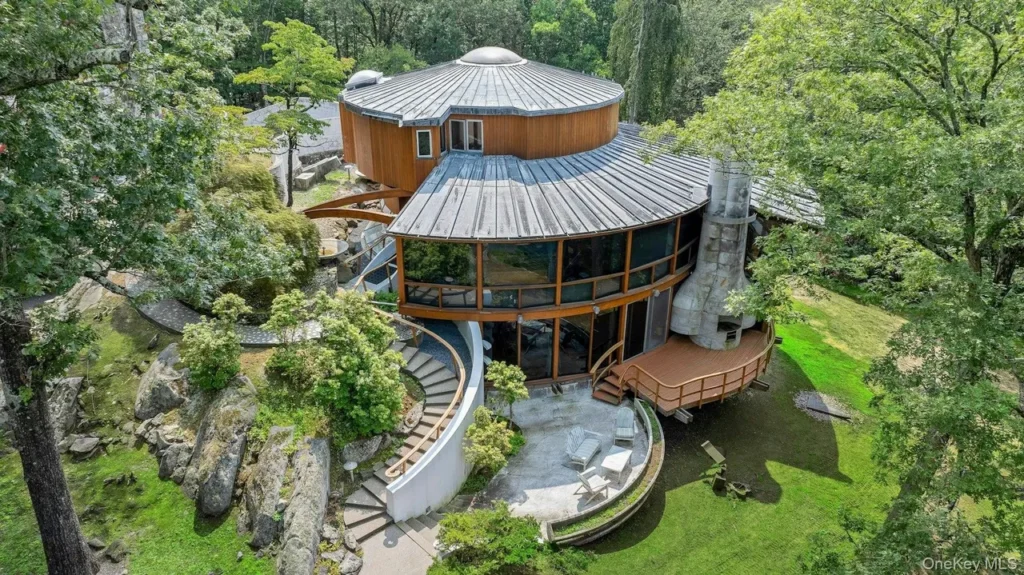
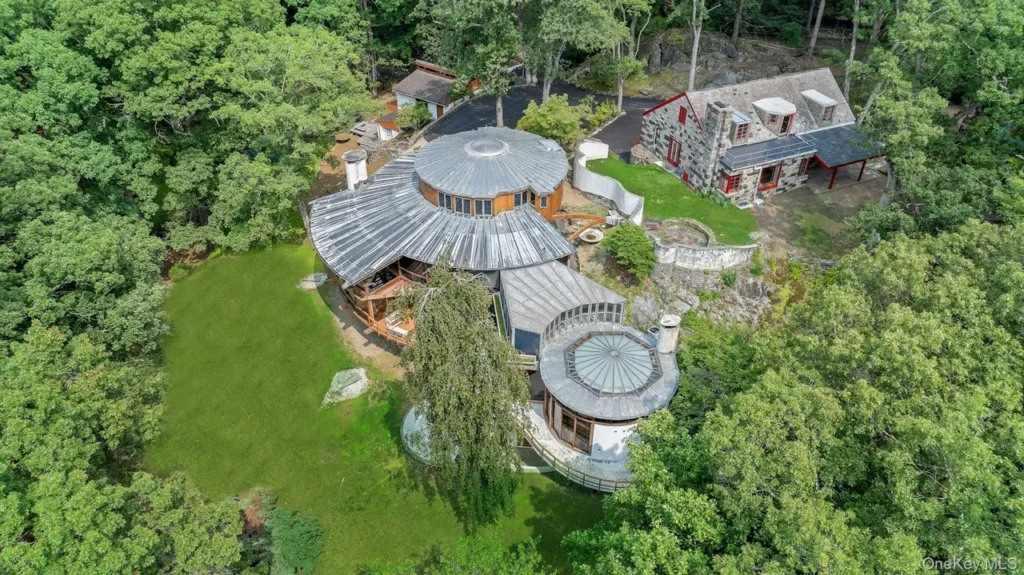
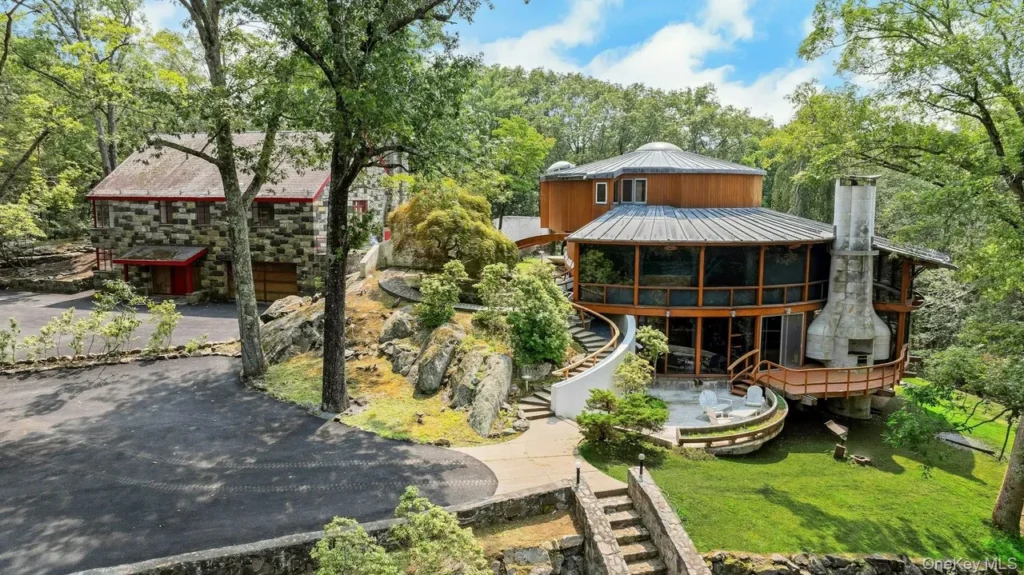
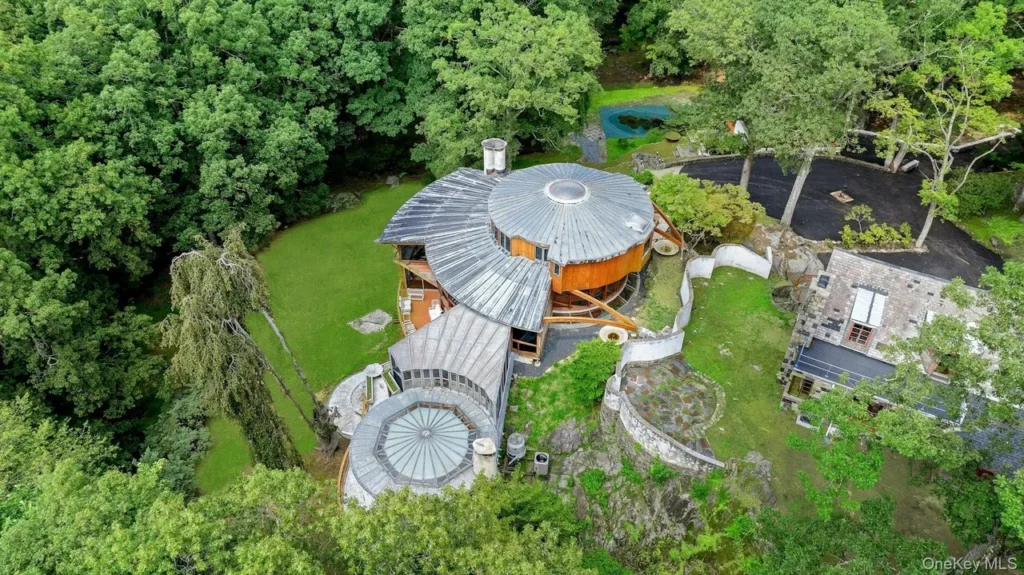
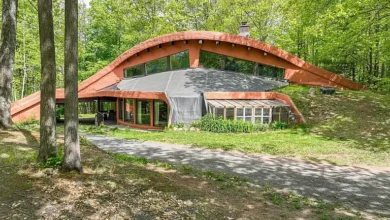
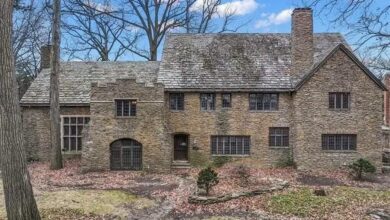
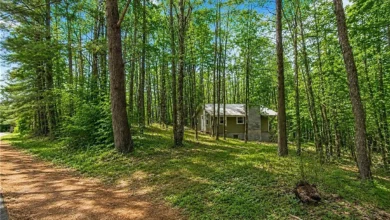
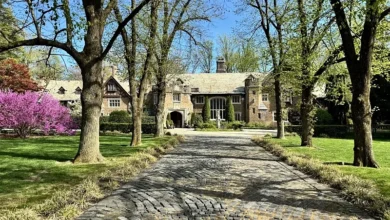
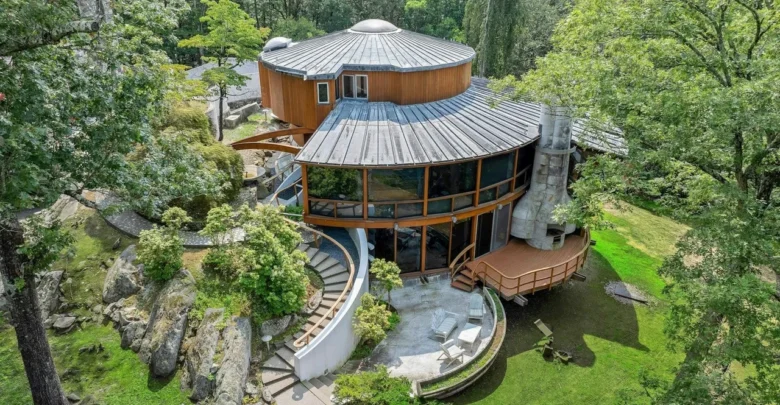
Westchester County has always attracted a particular kind of buyer. Someone who wants land, quiet and architectural substance without surrendering access to New York City. Cortlandt Manor sits in the northern reach of the county, where lot sizes expand, tree cover thickens and the pace settles into something closer to the Hudson Valley than the inner suburbs. This estate captures exactly that appeal: privacy, generous interior space and a beautiful natural setting on an expansive lot.
Below is a full walkthrough of the property, followed by the practical guidance Westchester buyers need most: jumbo financing strategy, the county’s property tax reality and how to challenge an assessment, insurance considerations for large older homes, renovation financing for a basement conversion, and the due diligence checklist that protects you before closing.
A Bright, Spacious Interior Built for Real Life
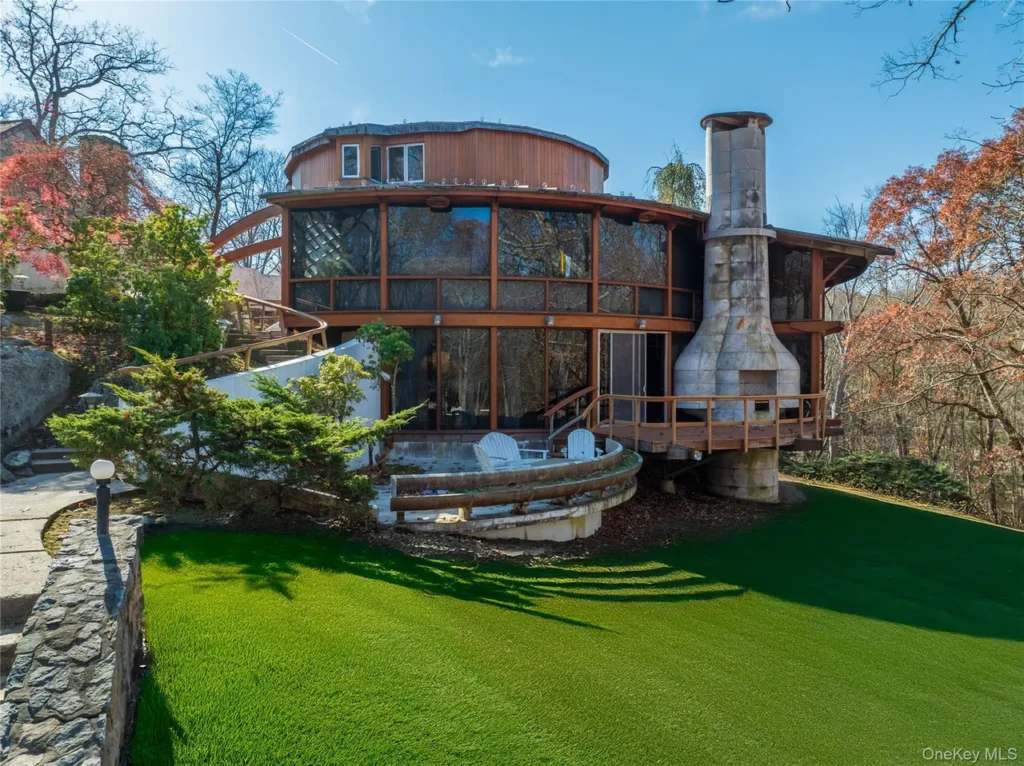
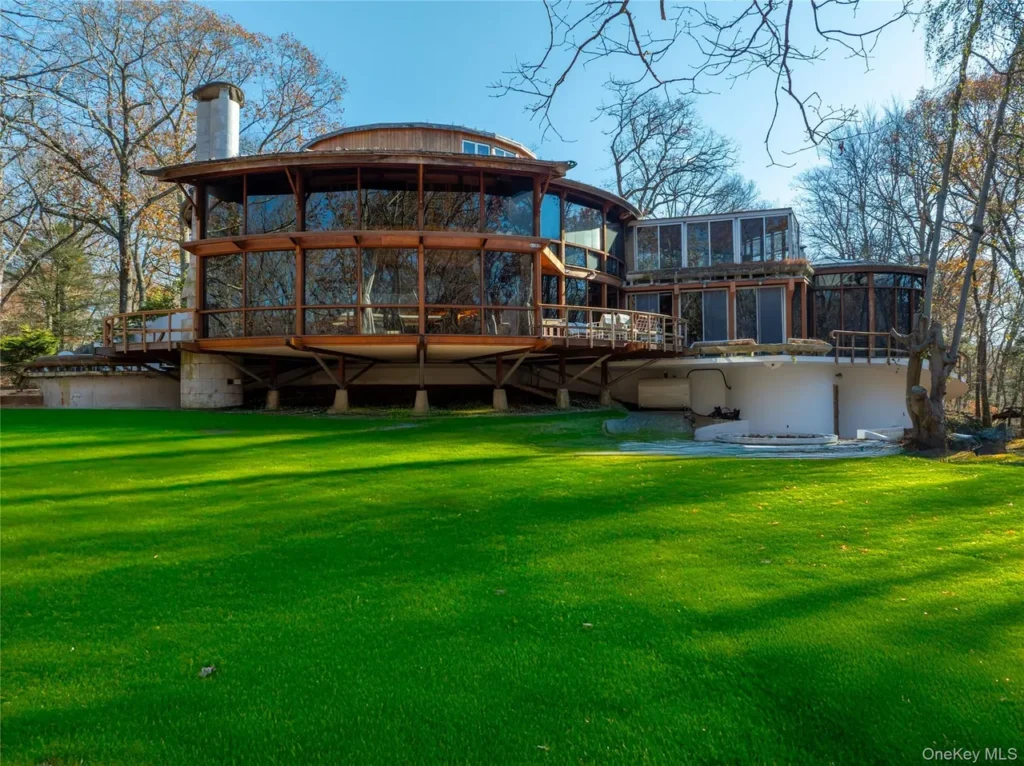
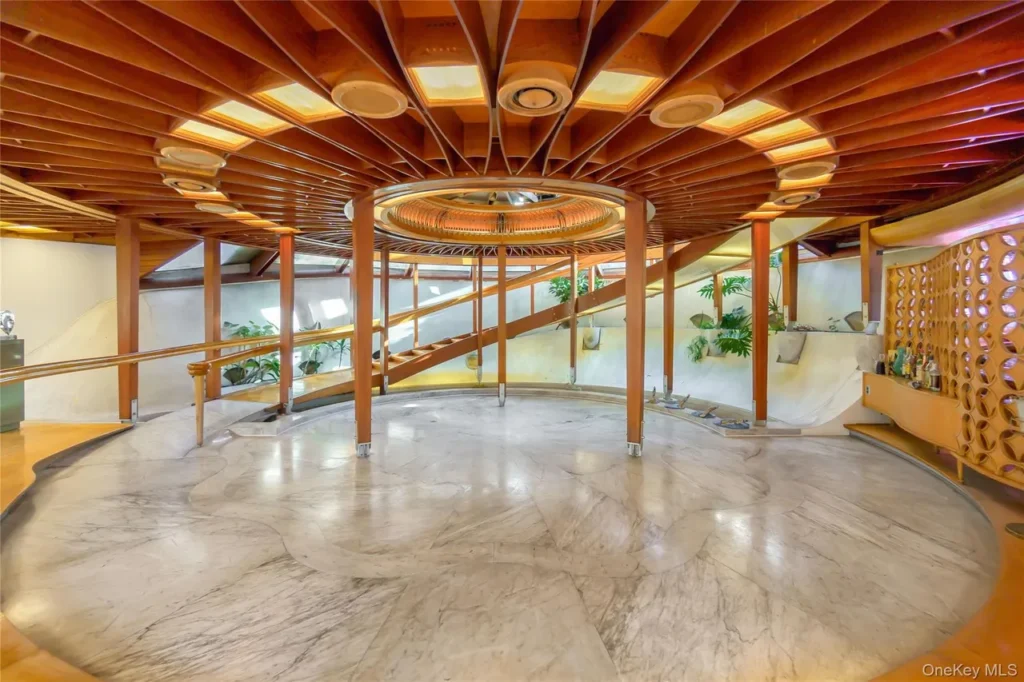
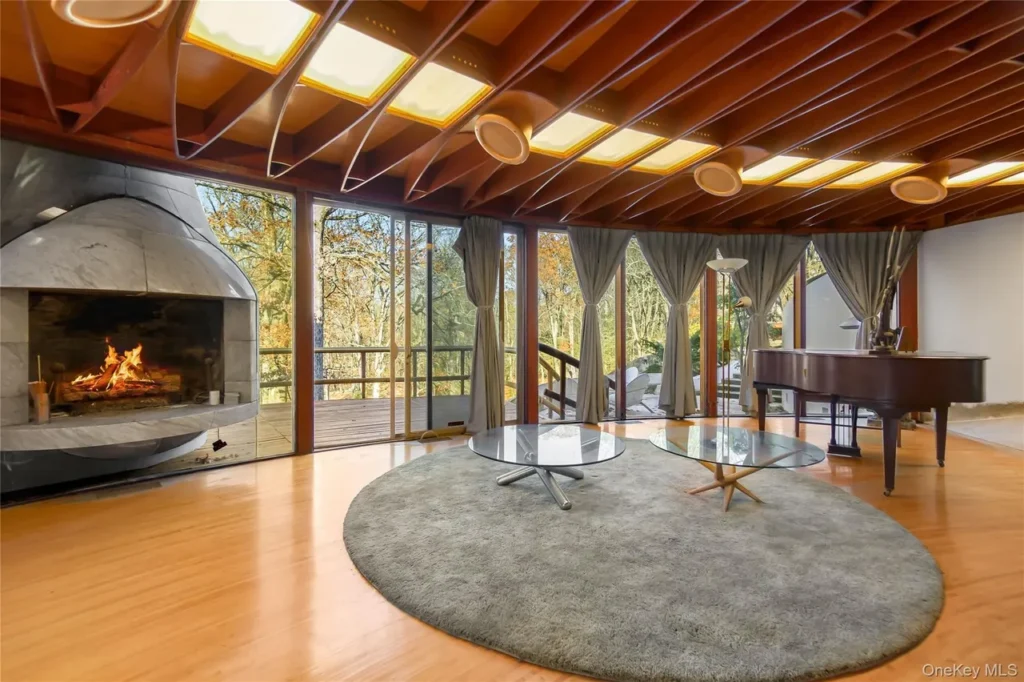
The interior is defined by light and scale. Spacious rooms are laid out for comfortable everyday living rather than for formal display, which is increasingly what buyers want. Large windows pull daylight deep into the living spaces and frame serene views across the property, so the landscape stays visually present from inside the home rather than being something you only experience when you step outdoors.
The welcoming living areas offer genuine room to relax and entertain. Larger homes often fail this test, dividing square footage into rooms that look impressive and function poorly. Here the gathering spaces are sized to hold people comfortably, which matters far more in daily life than any single architectural flourish.
The kitchen provides a practical setting for meals and gatherings, positioned to serve as the functional center of the household. Spacious bedrooms create comfortable and private retreats, giving family members and guests genuine separation rather than merely nominal doors.
Multiple Fireplaces and Interior Character
Multiple fireplaces add warmth and character throughout the home. In Westchester’s climate, where winters run long and gray, fireplaces do meaningful work beyond aesthetics. They create focal points, they anchor rooms visually, and they provide supplemental heat during the storm outages that periodically affect the county’s tree-heavy neighborhoods.
Buyers should have every hearth inspected individually. Multiple fireplaces mean multiple flues, multiple dampers and multiple potential maintenance items. A Level Two chimney inspection with camera scope is the appropriate standard on any home with several working fireplaces, and it belongs in your due diligence budget rather than as a discovery after closing.
The Basement: Storage Today, Value Tomorrow
The basement offers valuable storage space and clear potential for future adaptation. This is one of the property’s quieter but more significant assets, because finished basement square footage delivers among the strongest returns available in Westchester renovation.
The possibilities are familiar and proven: a family room, a home gym, a media space, a home office suite for remote work, a guest bedroom with bath, or a wine room. Each adds usable living area at a substantially lower cost per square foot than building an addition, since the foundation, walls and roof already exist.
Before planning any conversion, address three technical questions. First, moisture. Westchester’s clay-heavy soils and seasonal water table demand a dry basement, so evaluate grading, gutters, foundation drainage and any existing sump system. Second, ceiling height and egress. Habitable space requires code-compliant ceiling clearance and a legal egress window or door for any bedroom use. Third, permitting. The Town of Cortlandt requires permits for basement finishing, and unpermitted work creates title and resale complications later.
The Expansive Lot and Northern Westchester Land Value
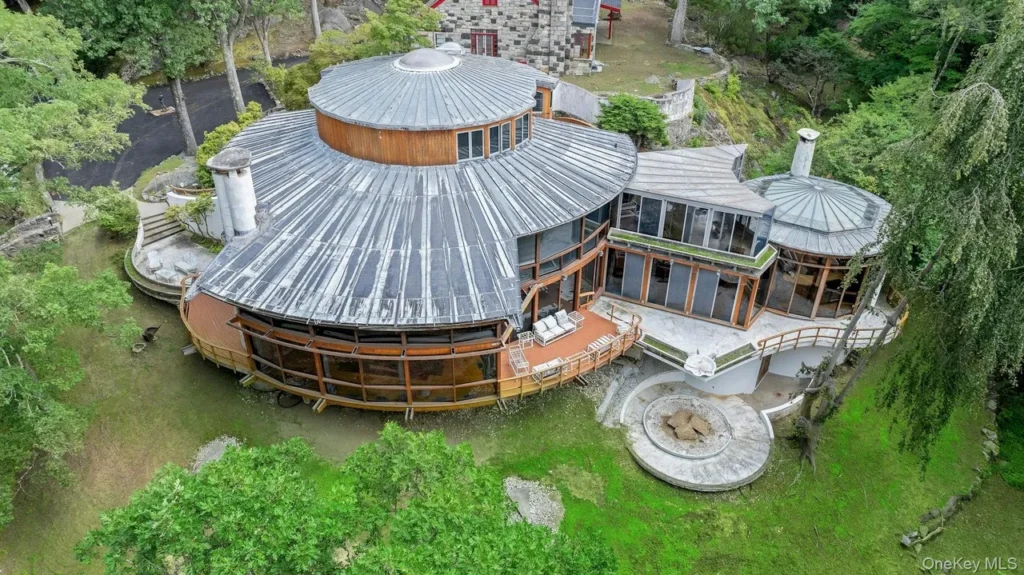
The expansive lot provides space for gardens, outdoor recreation and genuine separation from neighbors. Land is the component of Westchester value that cannot be manufactured. Homes can be renovated, expanded and modernized. Acreage in an established northern Westchester community is finite.
Cortlandt Manor sits within the Town of Cortlandt in northern Westchester, offering larger parcels than the county’s southern communities while maintaining access to the Hudson Line for Manhattan commuting and to the Taconic and Route Nine corridors for regional travel. The area combines Hudson River proximity, substantial protected open space and a residential character that has held value consistently across market cycles.
For buyers evaluating land, ask specific questions during due diligence: is the lot subdividable under current zoning, does any portion fall within wetlands or a designated critical area, and are there recorded easements affecting use. The answers shape both what you can do with the property and what a future buyer will pay for it.
Financing a Westchester Estate
Westchester pricing places most estate purchases into loan territory that requires deliberate planning rather than a routine application.
Jumbo and High-Balance Loans
Westchester County carries a high-balance conforming loan limit above the national baseline, which matters because high-balance conforming loans typically price better than jumbo products. Confirm the current limit before assuming your purchase requires jumbo financing. Structuring a transaction to fall under the threshold, when feasible, can save meaningful money across the life of the loan.
Above that limit, jumbo underwriting applies: higher credit score thresholds, lower debt-to-income ratios, substantial cash reserve requirements often measured in months of full payment, and comprehensive income and asset documentation. Compare offers from at least three sources, including a regional bank or credit union with Westchester lending experience alongside national originators and any private banking relationship you may have.
Debt-to-Income and the Property Tax Factor
This deserves emphasis because it surprises buyers repeatedly. Lenders calculate your qualifying ratio using principal, interest, taxes and insurance combined. In Westchester, where annual property taxes on an estate property can run into five figures, the tax component consumes a substantial share of your qualifying capacity. A buyer who qualifies comfortably for a given purchase price in a low-tax state may fall well short of the same price in Westchester purely because of the tax line.
Get the actual tax figure for the specific parcel before you set a budget, not a county average. Then have your loan officer run qualification using that number.
Renovation and Home Equity Financing
If you plan to finish the basement or update systems, renovation financing folds improvement costs into a single mortgage rather than forcing separate borrowing at higher consumer rates. Conventional renovation products serve higher price points, while FHA 203k rehabilitation loans work for qualifying owner-occupied purchases within FHA limits.
After closing, a home equity loan or HELOC provides flexible access to capital for staged improvements. HELOCs offer draw periods with interest-only payments during the draw phase, which suits phased renovation work well. Rates on home equity products are variable in most cases, so model your payment against rate movement rather than only against today’s rate.
Property Taxes: The Westchester Reality
Westchester County consistently ranks among the highest property tax jurisdictions in the United States, and no honest guide to buying here can treat this as a footnote. Your tax bill will likely be your second largest housing cost after the mortgage itself.
Taxes here are levied across multiple layers: county, town, school district and any special districts covering fire, water, sewer, refuse or lighting. School taxes typically represent the largest single component. Request the full current tax statement showing every line, not a summary figure.
Reassessment and the STAR Exemption
Confirm with the Town of Cortlandt assessor how the assessment is calculated, what the current equalization rate is, and whether a sale triggers any change. Ask whether the seller receives a STAR exemption, because that credit does not transfer automatically. New York’s School Tax Relief program requires new owners to register directly with the state, and Enhanced STAR carries separate age and income eligibility. Missing registration costs you real money every single year.
Challenging Your Assessment
New York provides a formal grievance process, and Westchester property owners use it routinely. If your assessment appears high relative to comparable sales, you may file a grievance with the local Board of Assessment Review during the designated period, typically in the spring. Deadlines are strict and vary by municipality, so confirm the exact date with the town.
Many owners engage a tax certiorari attorney who works on contingency, taking a percentage of the first year’s savings. For an estate property with a substantial assessment, a successful reduction compounds annually and can be worth far more than the fee. Evaluate this in your first year of ownership rather than assuming the assessed value is fixed.
The SALT Deduction
Federal deductibility of state and local taxes has been subject to significant statutory change, and the applicable cap directly affects the after-tax cost of Westchester ownership. Because this area of tax law has moved repeatedly in recent years, verify the current rule with a CPA familiar with New York taxpayers rather than relying on general guidance. The difference between assumptions here can amount to thousands of dollars annually.
Homeowners Insurance on a Large Estate Property
Insuring a large home on substantial acreage involves considerations that a standard suburban policy does not address.
Start with replacement cost rather than market value. Rebuilding a large home with multiple fireplaces, established finishes and estate-scale construction costs considerably more per square foot than a builder-grade replacement. Request a policy with adequate dwelling limits and ask whether extended or guaranteed replacement cost is available.
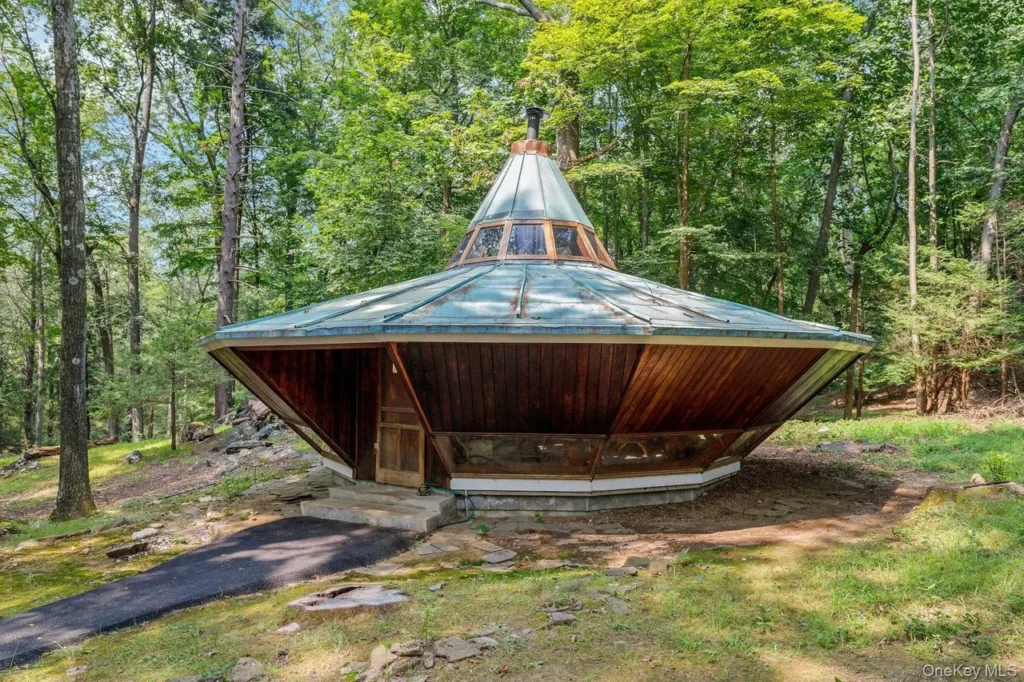
Price separate structures coverage for any outbuildings, garage or shed. Add an umbrella liability policy appropriate to a large lot, particularly if the property includes a pool, pond or extensive recreational grounds. Ask about water backup and sump pump failure coverage, which is not included in most base policies and is directly relevant to any basement finishing plan.
Confirm whether the parcel falls within a mapped flood hazard area, particularly if any portion sits near a stream, wetland or low-lying area. If so, flood insurance becomes mandatory for federally backed financing, and an elevation certificate frequently reduces the premium.
Finally, inquire about age-related underwriting. Carriers scrutinize roof age, electrical service capacity and panel type, plumbing material, and heating system age on older homes. Knowing these condition points before you apply lets you address them proactively rather than being declined or surcharged.
Due Diligence Checklist Before Closing
Order a comprehensive home inspection and supplement it appropriately. On a property of this scale that means a Level Two chimney inspection for every fireplace, a sewer scope if connected to public sewer, septic inspection with pumping if on-site, well flow and water quality testing where applicable, a radon test which is particularly relevant in Westchester’s geology, and an oil tank sweep if the home has ever used oil heat. Buried oil tanks are a well-documented Westchester issue and remediation costs can be substantial.
Homes built before 1978 warrant lead paint disclosure review, and older construction warrants asbestos awareness in insulation, flooring and siding.
Verify that all existing improvements are permitted and that a certificate of occupancy exists for the current configuration. Unpermitted additions, converted spaces or finished areas create closing delays, lender objections and future resale problems.
Order a current survey and review it against the deed for encroachments and boundary discrepancies. Confirm zoning classification, setback requirements and any wetland or steep slope designations affecting future construction. Purchase owner’s title insurance and ask the title company directly about easements, rights of way and any restrictive covenants recorded against the parcel.
Who This Estate Suits
This property rewards a buyer who values land and privacy, who wants generous interior space for a household that actually uses it, and who sees an unfinished basement as opportunity rather than as a chore. It suits families who need room to spread out, remote professionals who need dedicated work space, and anyone who wants Westchester’s combination of quiet and connectivity without settling for a smaller lot in a denser community.
It asks in return for the diligence that any substantial older home demands: attentive maintenance, an honest tax budget and a clear-eyed renovation plan.
If space, privacy and a beautiful natural setting in northern Westchester describe what you have been searching for, the practical next steps are straightforward: secure pre-approval from a lender experienced in jumbo and Westchester transactions, obtain the exact tax figure from the town assessor and requalify against it, get an insurance quote at the actual address, and schedule a walkthrough. Estate properties with genuine land in this county are limited in number and rarely stay quiet on the market for long.