Furnished Coastal Home in Ruskin, Florida: A Complete Buyer’s Guide to Waterfront Living, Insurance and Financing
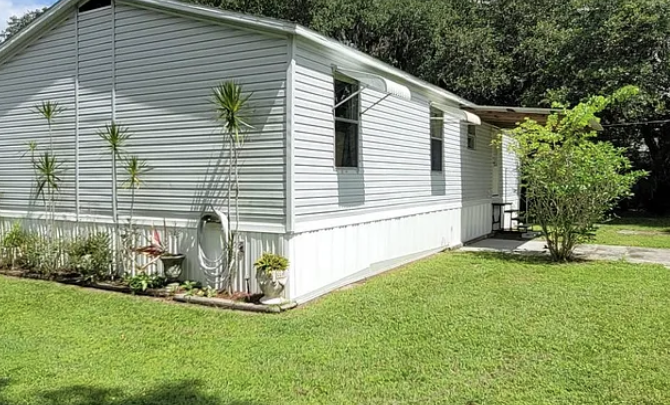
Ruskin sits on the eastern shore of Tampa Bay in southern Hillsborough County, in that increasingly rare category of Florida community that still feels like Florida rather than a development brochure. Quiet streets, water access, fishing culture, and pricing that remains reachable while the metros north and south of it climb steadily. This furnished home captures the appeal directly: a bright interior, a practical floor plan, a covered porch built for warm coastal weather, and community access to the water, a boat ramp and a fishing pier.
For buyers coming from out of state, Florida coastal ownership carries a specific set of considerations that differ substantially from anywhere else in the country. Below is a full walkthrough of the property, followed by the practical guidance that matters most: financing options including VA and USDA, the reality of flood and windstorm insurance, Florida’s homestead exemption and Save Our Homes cap, CDD and HOA due diligence, and the inspection checklist that protects you before closing.
A Move-In Ready Furnished Home
The home comes furnished, which is a more meaningful advantage than it initially sounds. For a second home or seasonal residence, furnishing a property from scratch typically costs a significant sum and consumes weeks of coordination, delivery scheduling and assembly. Buying furnished means you arrive with a suitcase and start living.
The interior is bright, with a comfortable living area and a floor plan that is practical and welcoming rather than carved into formal spaces nobody uses. Florida homes live best when the layout flows toward the outdoors, and this one does.
The spacious kitchen provides real working room for preparing meals and entertaining guests. In a coastal home where people gather after fishing trips and beach afternoons, kitchen capacity matters more than in a typical suburban house. Counter space and circulation room determine whether hosting feels easy or cramped.
Private Bedroom Arrangement and Guest Comfort
The private bedroom arrangement offers genuine comfort for both residents and overnight visitors. Split bedroom layouts are the Florida standard for good reason: they place the primary suite on one side of the home and secondary bedrooms on the other, giving guests real acoustic and visual privacy rather than a door across the hall.
For a Florida property, guest capacity is not a minor feature. If you own here, people visit. Family from up north, friends escaping winter, adult children with their own families. A layout that accommodates visitors comfortably determines whether hosting feels like hospitality or like an imposition on everyone involved.
Covered Porch and Outdoor Living
A covered porch creates the pleasant setting that makes coastal Florida living work, and the outdoor porch adds further space for relaxing with family and friends. In this climate, covered outdoor space is not an amenity. It is essential infrastructure.
Florida sun is punishing at midday and Florida rain arrives suddenly on summer afternoons. Covered porch space means you use the outdoors on your schedule rather than the weather’s. Morning coffee, evening gatherings, watching a thunderstorm roll across the bay from a dry chair. These are the moments people buy Florida homes for.
Covered porches also protect the structure itself, shielding doors, windows and siding from direct sun and driving rain, which reduces long-term maintenance on a home in a high-UV, high-humidity, salt-air environment.
Privacy, Storage and Everyday Practicality
The generous size of the property provides added privacy with no residence directly behind the home. In Florida’s tightly platted coastal communities, an open rear boundary is a genuine value driver. It means privacy in your outdoor space, unobstructed light and air, and no second-story window looking into your yard.
Buyers should verify what sits behind the property and what its future is. Ask directly whether the rear boundary abuts conservation land, a drainage or utility easement, a wetland, or simply a vacant lot that could be built on. Protected or unbuildable land is a permanent advantage. A vacant developable lot is a temporary one.
A storage room and an indoor laundry area handle the practical side. In Florida, dedicated storage matters more than buyers from other regions expect, since fishing gear, kayaks, beach equipment, hurricane shutters and seasonal supplies all need somewhere to live. Indoor laundry is a meaningful comfort upgrade over garage or exterior placement in a hot, humid climate.

Water Access, Boat Ramp and Fishing Pier
Community access to the water, a boat ramp and a fishing pier delivers the coastal lifestyle without the cost and maintenance burden of private waterfront ownership.
This is a genuinely smart way to buy in Florida. Direct waterfront property carries substantially higher purchase prices, significantly higher insurance premiums, seawall maintenance obligations that can run into serious money, dock permitting and repair costs, and elevated flood exposure. Community water access delivers most of the lifestyle benefit at a fraction of the carrying cost.
Tampa Bay fishing is excellent, with snook, redfish, trout and tarpon all within reach depending on season. A boat ramp within your community means you can be on the water in minutes rather than towing to a crowded public ramp.
During due diligence, confirm exactly how access is granted. Ask whether it is deeded, granted through HOA membership, or provided by a community association with separate dues. Ask about ramp hours, trailer parking, any usage fees, and whether the pier and ramp have maintenance reserves funded. Amenity access that depends on a poorly funded association can disappear or become expensive.
Financing a Florida Coastal Home
Ruskin pricing typically sits within conforming loan territory, which keeps financing options broad. That is a significant advantage over higher-priced Florida coastal markets.
Conventional, FHA and VA Loans
Conventional financing with as little as three to five percent down serves qualified buyers with solid credit, and private mortgage insurance drops off once you reach twenty percent equity. FHA loans accommodate lower credit scores and down payments around three and a half percent, though FHA appraisals apply stricter property condition standards that older homes sometimes struggle to satisfy.
VA loans deserve particular attention here. Florida has one of the largest veteran populations in the country, and the Tampa Bay area in particular. VA financing offers zero down payment for eligible service members and veterans, no monthly mortgage insurance, and competitive rates. For an eligible buyer, it is almost always the strongest available option.
USDA Rural Development Loans
Portions of southern Hillsborough County have historically fallen within USDA eligible areas, and USDA loans offer zero down payment with income limits based on household size and county. Eligibility maps are updated periodically, so check the current map against the exact address rather than assuming. If the property qualifies and your income falls within limits, this is worth serious consideration.
Second Home and Investment Classification
If this will be a seasonal residence rather than a primary home, expect a second home classification requiring roughly ten percent down with a modest rate premium. If you intend to rent it, investment classification typically requires twenty to twenty-five percent down at higher rates. Disclose your intent honestly to your loan officer, and note that VA and USDA both require owner occupancy.
The Insurance Factor in Qualification
This is the point Florida buyers most consistently underestimate. Lenders qualify you on principal, interest, taxes and insurance combined. Florida insurance costs can rival or exceed the property tax line, and homeowners, flood and windstorm coverage together consume a substantial share of your qualifying capacity. Get real insurance quotes before setting your budget, then have your loan officer requalify using actual numbers.
Florida Insurance: The Complete Picture
Insurance is the single most important cost item to investigate before going under contract on a Florida coastal home. Treat it as your first due diligence step rather than your last.
Flood Insurance
Order the FEMA flood map determination for the exact parcel. Coastal Hillsborough County contains substantial mapped flood hazard area, and if any portion of the structure falls within a special flood hazard zone, flood insurance is mandatory for federally backed financing.
Premiums under current risk rating methodology depend on elevation, distance to water, foundation type, first floor height and replacement cost. An elevation certificate prepared by a licensed surveyor frequently reduces premiums substantially and is worth commissioning regardless of requirement. National Flood Insurance Program coverage carries limits, and private flood carriers now compete actively in Florida, sometimes at better pricing with higher limits. Get quotes from both.
Windstorm and Hurricane Coverage
Windstorm coverage may be included in your homeowners policy or excluded and written separately depending on carrier and location. Confirm which applies. Hurricane deductibles in Florida are typically expressed as a percentage of dwelling coverage rather than a flat dollar amount, meaning your out-of-pocket exposure in a named storm can be significant. Understand that number before you buy.
Wind Mitigation and the 4-Point Inspection
These two inspections directly control what you pay. A wind mitigation inspection documents roof shape, roof deck attachment, roof-to-wall connections, opening protection and roof covering age. Favorable findings generate substantial premium credits, often the largest discount available on a Florida policy. Impact-rated windows, hurricane shutters and hip roof geometry all reduce cost meaningfully.
A 4-point inspection covers roof, electrical, plumbing and HVAC, and most carriers require it for older homes. Roof age is the critical variable. Many Florida carriers will not write a policy on a roof beyond a certain age regardless of condition, so verify roof age and remaining life before you go under contract. A roof replacement requirement discovered late can derail a closing entirely.
If standard carriers decline the property, Citizens Property Insurance operates as the state-backed insurer of last resort. Understand its eligibility rules and coverage limitations before relying on it.
Florida Property Taxes, Homestead and Save Our Homes
Florida has no state income tax, which is a primary driver of in-migration. Property taxes are assessed at the county level by the Hillsborough County Property Appraiser, with rates set by overlapping taxing authorities.
The homestead exemption is central. Qualifying owner-occupied primary residences receive a meaningful exemption from assessed value, and more importantly, the Save Our Homes provision caps annual assessment increases on homesteaded property at three percent or the change in the consumer price index, whichever is lower. Over years of ownership, that cap becomes extremely valuable.
Critical point for buyers: homestead protection does not transfer to you. The seller’s capped assessment resets at sale, and your first tax bill will likely be substantially higher than what the seller currently pays. Never budget from the seller’s tax figure. Use the county’s tax estimator based on your purchase price instead.
Homestead requires Florida primary residency and must be filed with the county by the March deadline. Buyers relocating from another Florida property should ask about portability, which allows transferring accumulated Save Our Homes benefit to a new homestead.
HOA, CDD and Community Due Diligence
Southern Hillsborough County contains many communities governed by homeowners associations, and some carry Community Development District assessments that appear on the property tax bill separately from ordinary taxes.
Request the complete picture in writing: HOA dues and payment frequency, any CDD assessment amount and remaining bond term, the association’s reserve funding status, recent or pending special assessments, and the covenants and restrictions document. Read the restrictions carefully, particularly regarding rentals, boat and trailer parking, exterior modifications and pets. If short-term rental income is part of your plan, confirm both HOA rules and any county ordinance before you buy.
Inspection Checklist for a Florida Coastal Home
Order a full home inspection and add the Florida-specific items. Roof condition and documented age are the priority given insurance implications. Have the HVAC system evaluated, since Florida systems work year-round and wear faster than in northern climates. Request a wind mitigation inspection and a 4-point inspection during due diligence rather than after, so their findings can inform your negotiation.
Add a moisture and mold assessment given the humid climate, a termite and wood destroying organism inspection which is standard practice in Florida, and an evaluation of any polybutylene or aging cast iron plumbing depending on the home’s era. Inspect the electrical panel type, since certain older panel brands are effectively uninsurable.
Confirm whether the home is on public water and sewer or on well and septic, and inspect accordingly. Order a current survey, review it for encroachments and easements, and purchase owner’s title insurance.
Who This Home Suits
This property fits a buyer who wants the Florida coastal lifestyle without waterfront pricing and waterfront carrying costs. A retiree seeking a quiet community with water access and fishing. A snowbird wanting a turnkey furnished escape. A family looking for a manageable second home with room for visitors. Or a buyer relocating to the Tampa Bay area who wants coastal proximity at a reachable price point.
It rewards buyers who do the insurance homework first and the emotional decision second, because in Florida that sequence determines whether ownership feels comfortable or strained.
If a furnished home on a quiet beach with a covered porch, community boat ramp and fishing pier access sounds like the life you have been picturing, the next steps are straightforward: obtain flood determination and real insurance quotes at the exact address, verify roof age, get pre-approved using those actual insurance figures, request the HOA and CDD documents, estimate your taxes from purchase price rather than the seller’s bill, and schedule a showing. Ruskin’s combination of water access and reachable pricing continues attracting attention, and homes like this tend to move.


Watch Via Zillow